
Tsukumogami: Japan’s Object Spirits and Why Tools Rebelled
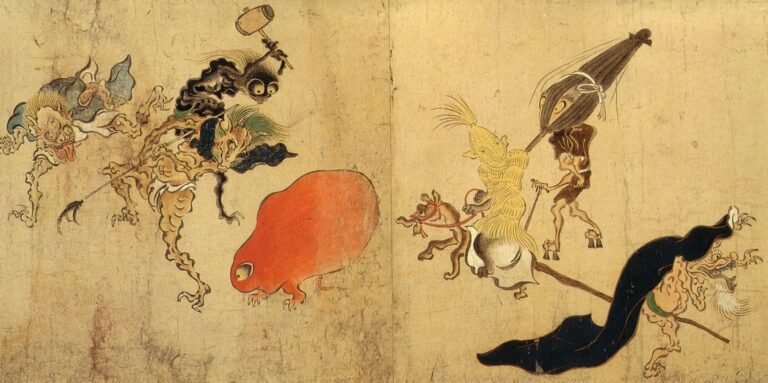
Tsukumogami are Japanese object spirits, tools that receive a soul after long service. Here is the medieval Buddhist tale behind them and the yokai they became.

Tsukumogami are Japanese object spirits, tools that receive a soul after long service. Here is the medieval Buddhist tale behind them and the yokai they became.

Tsukuyomi is Japan's moon god, born from Izanagi's right eye and estranged from Amaterasu. Here is his myth, his name, his shrines and his modern uses.
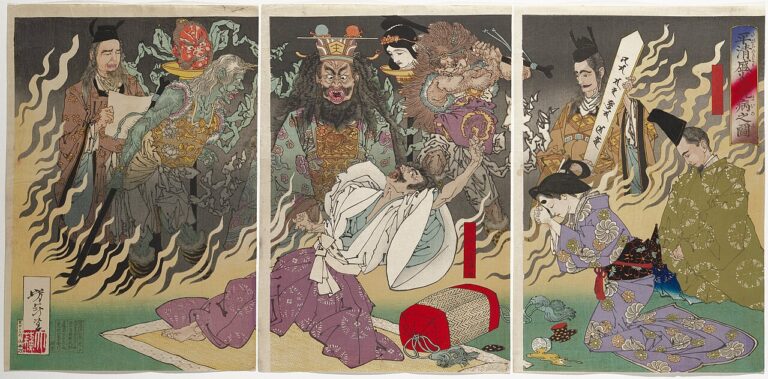
Onryo are the vengeful spirits of Japanese folklore, born of rage, jealousy or betrayal. Meet the famous cases, the rites that calmed them and the look.
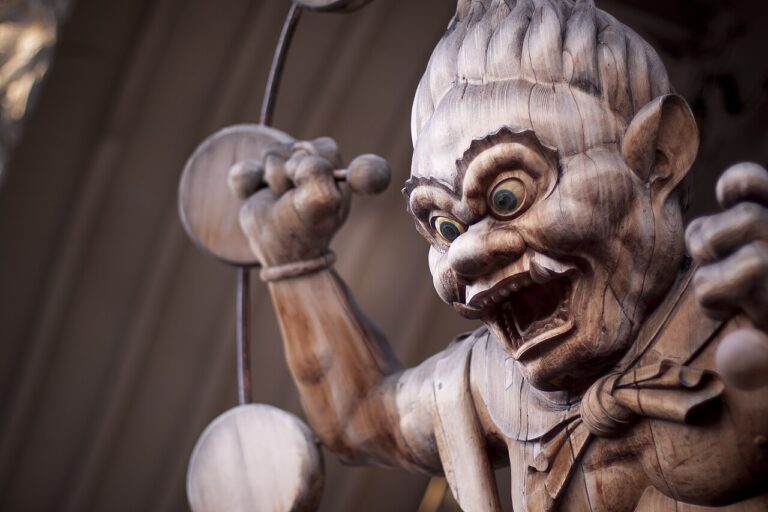
Raijin is Japan's god of thunder and lightning. His birth in Yomi, the ring of drums that makes thunder, his family, his myths, and where he is worshipped.
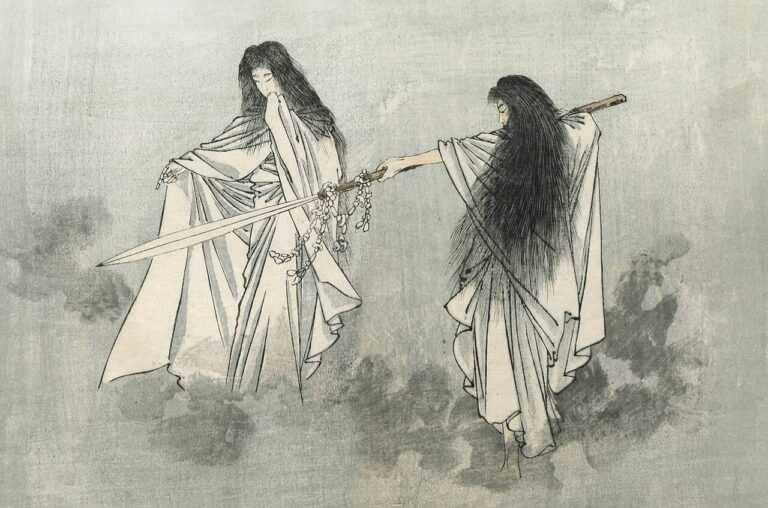
Izanami is the Shinto goddess who created Japan with Izanagi, died giving birth to the fire god, and became a ruler of Yomi, the land of the dead.
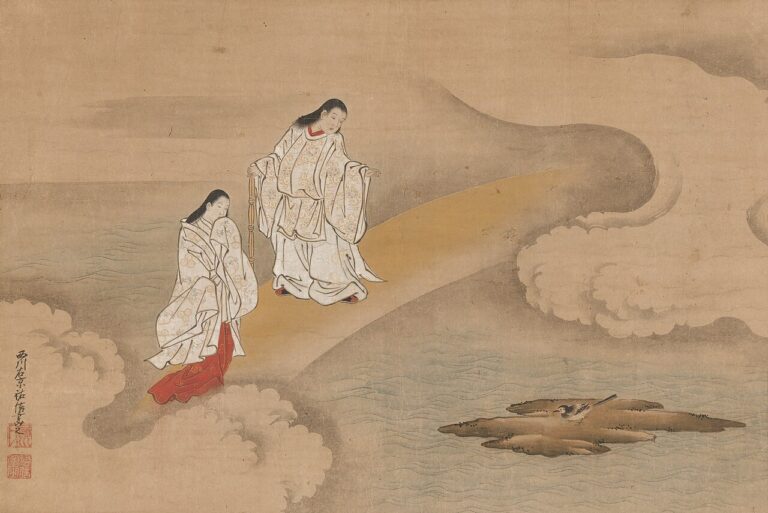
Izanagi is the Shinto creator god who drew Japan from the sea with Izanami, escaped the land of the dead, and fathered Amaterasu, Tsukuyomi and Susanoo.
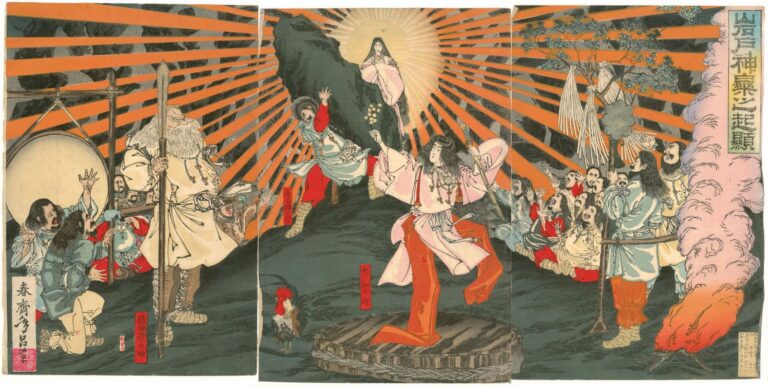
Who Amaterasu is, why she hid in the heavenly rock cave, what the three sacred treasures have to do with the emperors, and the shrine at Ise dedicated to her.

A haori is a traditional Japanese jacket worn over a kimono. Learn its history, the main types, and how to style one today with modern or traditional clothing.

Bosozoku are Japan's motorcycle gangs, peaking at 42,510 members in 1982. The history, the modified bikes, the tokko-fuku look, and what still remains.

Kogal is the gyaru style built on a modified school uniform: shortened skirt, loose socks, bleached hair and a tan. Here is how the 1990s look worked.