Baku in Japanese Mythology: The Yokai That Eats Nightmares
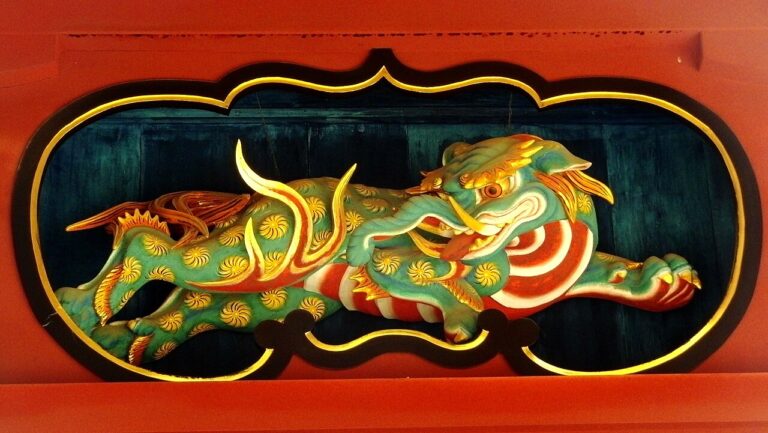
The baku is the Japanese yokai that eats bad dreams: its Chinese origins, its chimera body, the charm children called it with, and the tapir it shares a name with.
The baku is the Japanese yokai that eats bad dreams: its Chinese origins, its chimera body, the charm children called it with, and the tapir it shares a name with.
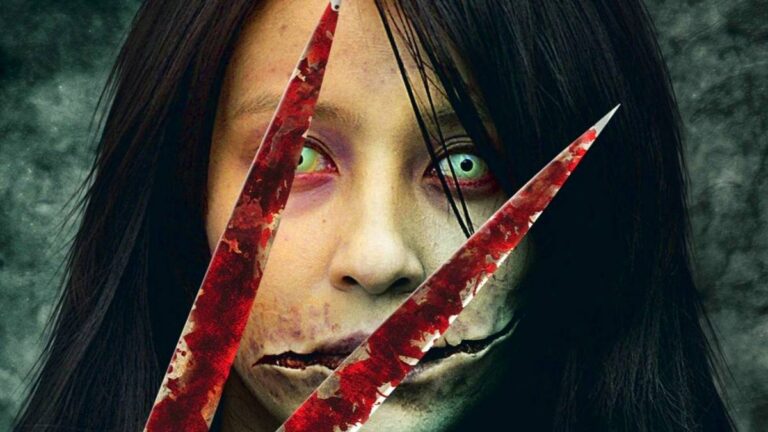
Kuchisake Onna is Japan's slit-mouthed woman, the masked figure who asks if she is pretty. Here is her legend, the 1979 panic, and how you escape her.
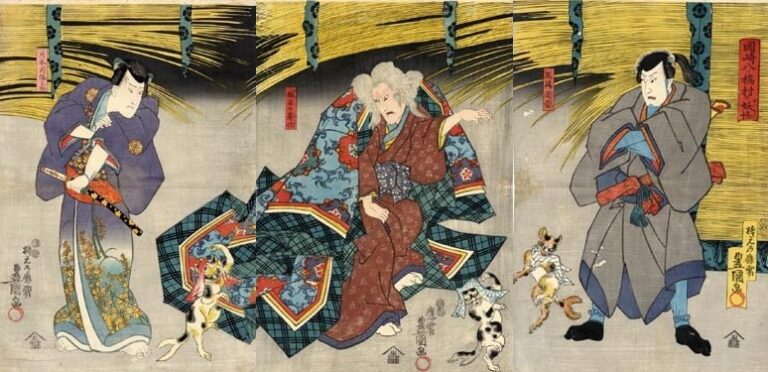
A nekomata is a Japanese yokai cat with a forked tail, aged out of a house cat or born as a mountain predator. Here is the folklore, the records and the powers.
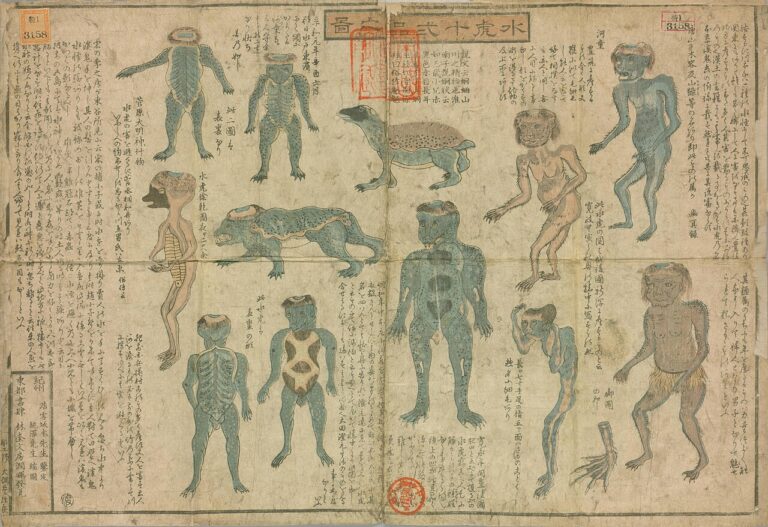
Kappa yokai are Japan's river dwellers with a water filled dish on the skull: their appearance, real dangers, defenses, shrine worship and mascot life.
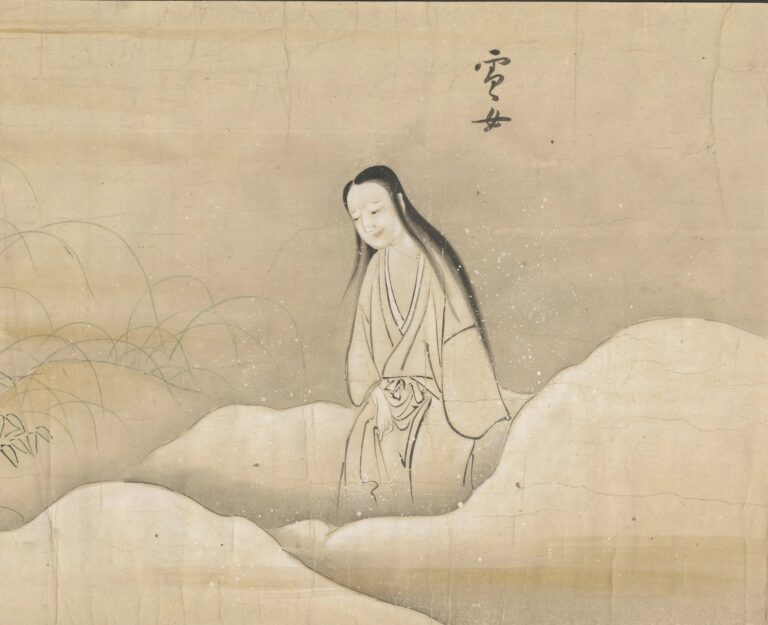
Yuki onna, the snow woman of Japanese folklore, is a yokai who appears in blizzards. Her origins, appearance, regional legends and modern echoes.
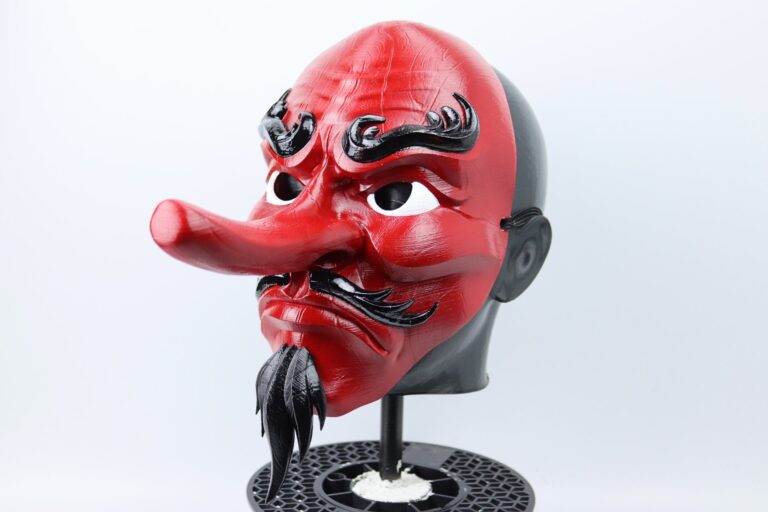
Tengu are Japan's long-nosed mountain yokai, part demon and part guardian. Here are their origins, types, powers, and the peaks where they are honored.
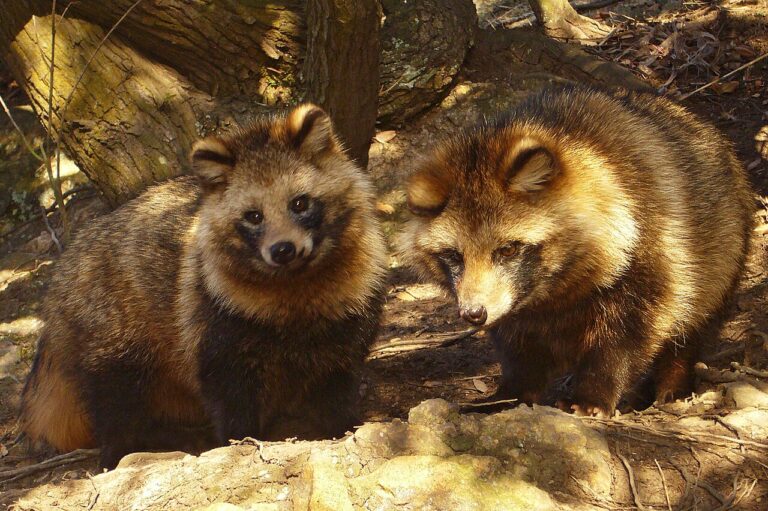
Tanuki are both Japan's real raccoon dogs and its most cheerful shapeshifting yokai. Here is the animal, the folklore, the statues and the eight lucky signs.
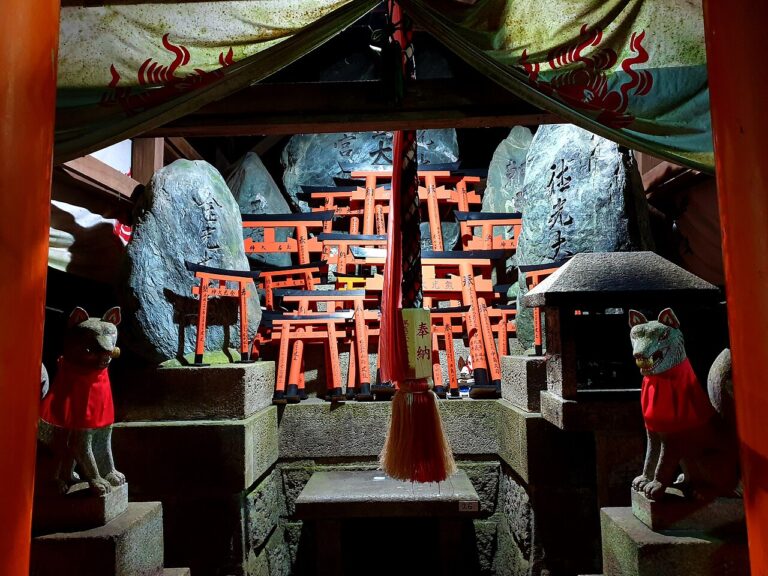
The Japanese fox spirit, or kitsune, is a shapeshifting yokai that serves Inari, gains a tail each century, and still turns up in shrines, masks and anime.
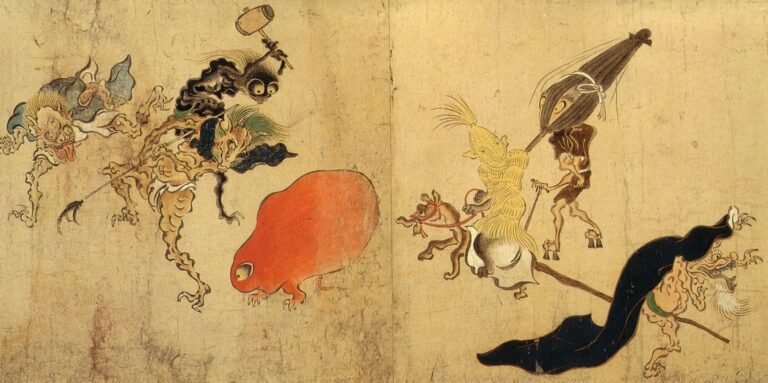
Tsukumogami are Japanese object spirits, tools that receive a soul after long service. Here is the medieval Buddhist tale behind them and the yokai they became.
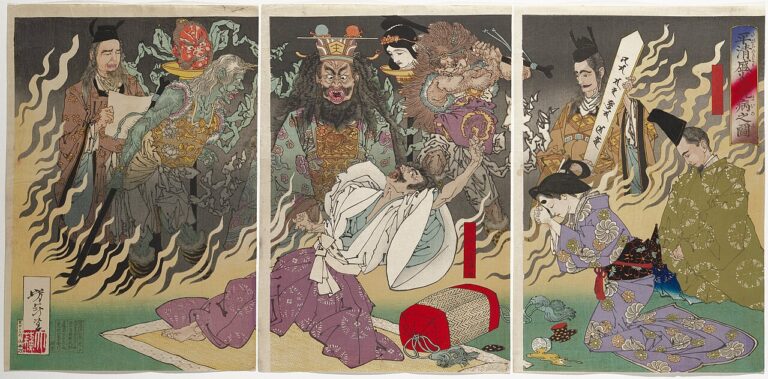
Onryo are the vengeful spirits of Japanese folklore, born of rage, jealousy or betrayal. Meet the famous cases, the rites that calmed them and the look.