Māori Tattoo Meaning: Tā Moko Symbols, Facial Moko, and Kirituhi
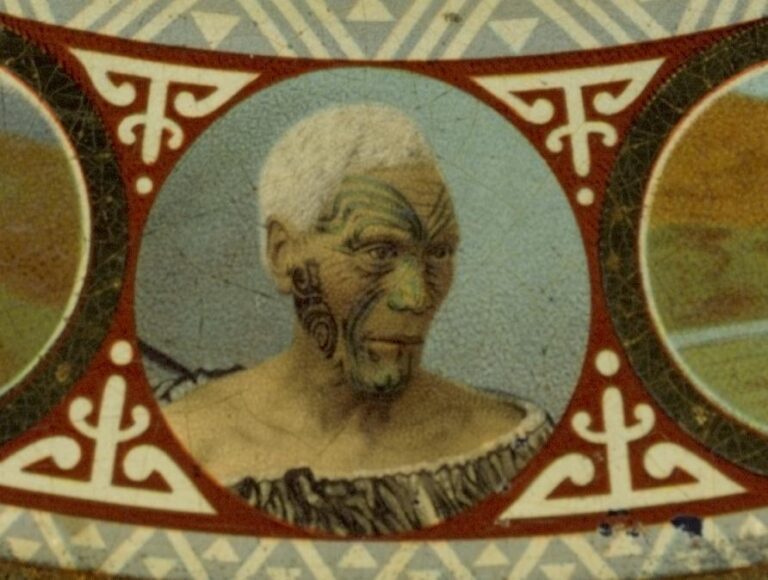
Māori tattoo meaning explained: how tā moko records whakapapa and rank, what the koru and other symbols mean, facial moko, uhi chisels, and kirituhi.

Māori tattoo meaning explained: how tā moko records whakapapa and rank, what the koru and other symbols mean, facial moko, uhi chisels, and kirituhi.
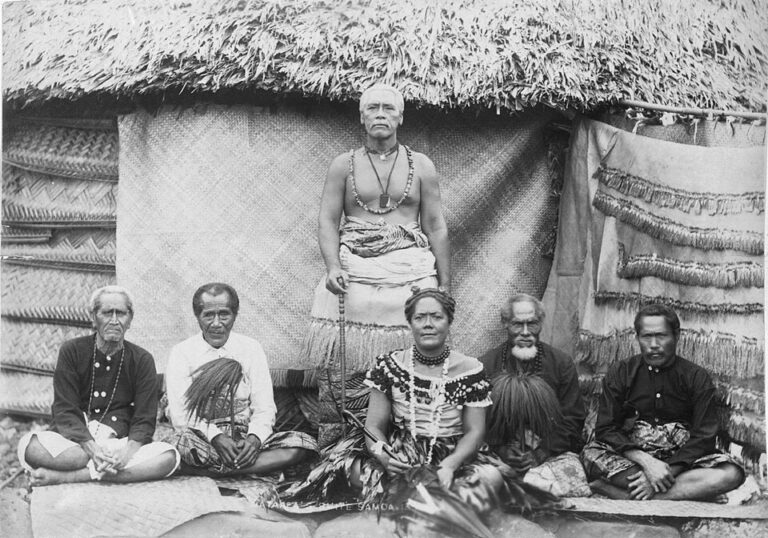
Samoan tattoo meaning explained: what the peʻa and malu mark, who the tufuga tā tatau are, how tatau survived missionaries, and who can wear it.
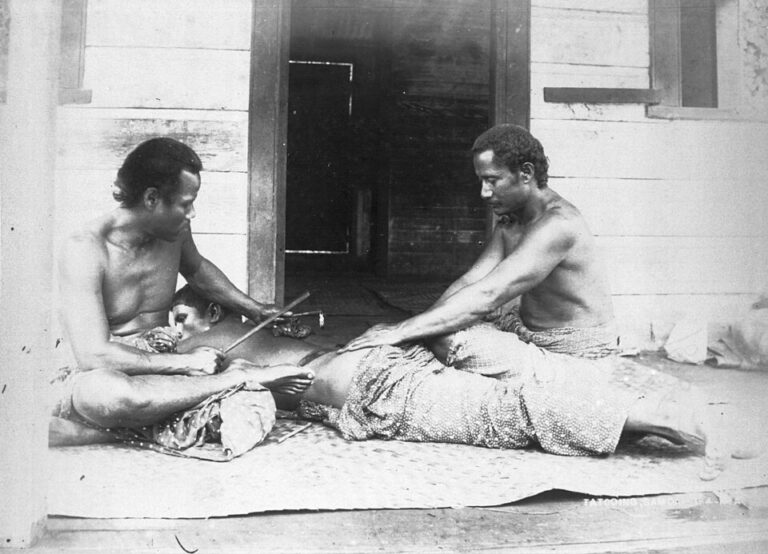
Polynesian tattoo meaning explained: common symbols like shark teeth and enata, five regional styles from Samoa to Hawaiʻi, and marks closed to outsiders.
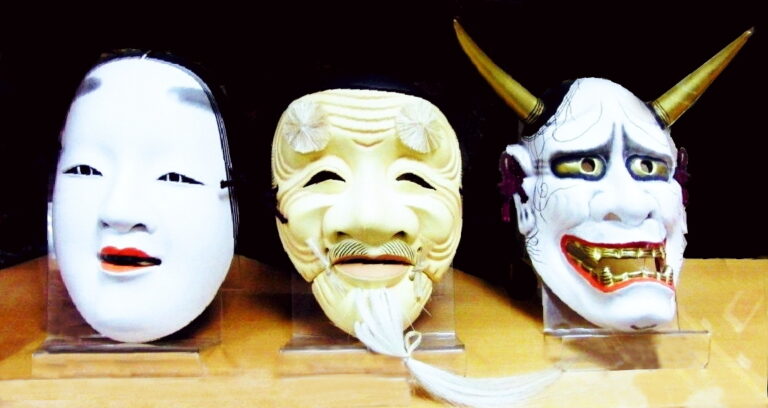
Japanese mask tattoo meaning explained: what a hannya, oni, tengu or kitsune face carries, what the colours signal, and how the motifs reached irezumi.
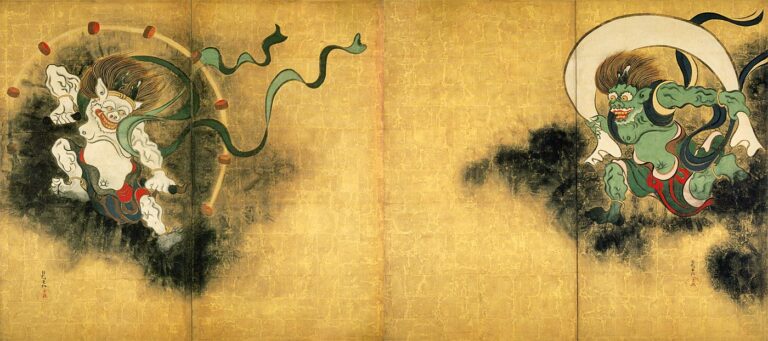
The traditional Japanese cloud tattoo meaning is change, freedom, mystery, and the divine. Here is the symbolism, its irezumi roots, and design ideas.
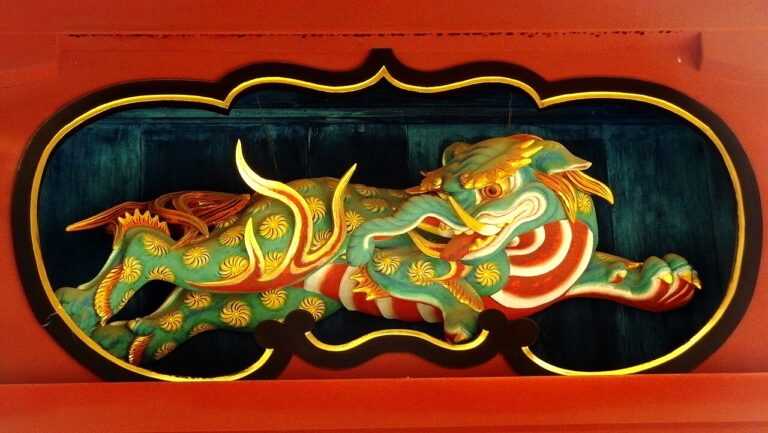
The baku is the Japanese yokai that eats bad dreams: its Chinese origins, its chimera body, the charm children called it with, and the tapir it shares a name with.
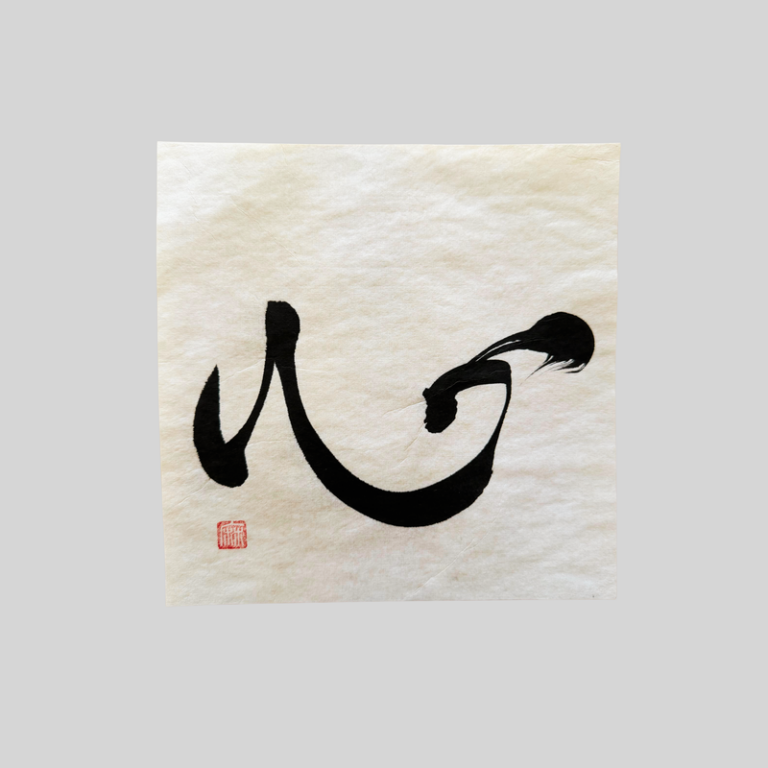
The Japanese heart symbol is 心 (kokoro), a four stroke kanji covering heart, mind and spirit. Its oracle bone origin, radical forms, compounds, and how it differs from the ♡ shape.
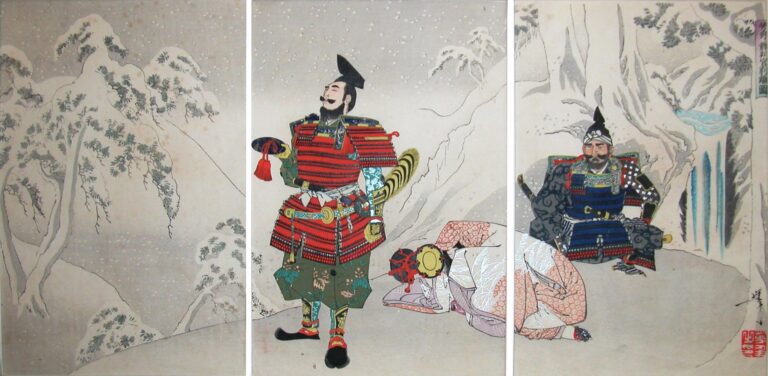
A Japanese samurai tattoo stands for bushido: honor, loyalty, courage, and self-discipline. What each design pairing means, why not every armored figure in a classical print is a samurai, and how placement and background change the reading.
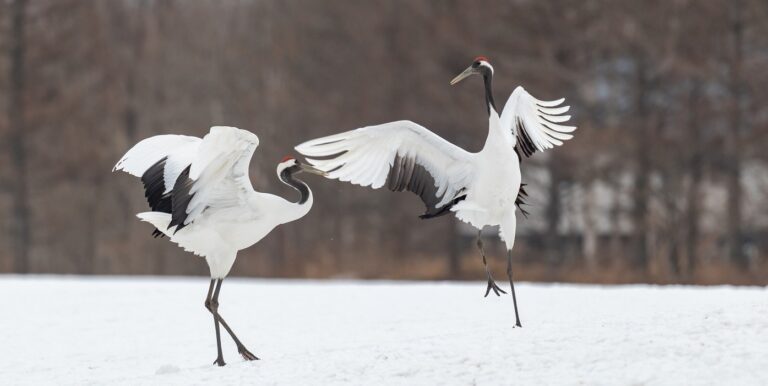
The Japanese crane tattoo meaning is longevity, good fortune, and lifelong loyalty. Here is the tsuru symbolism, the senbazuru legend, and design ideas.
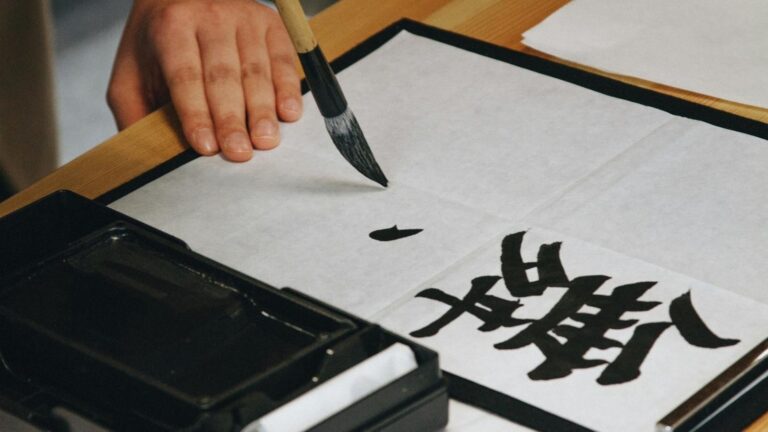
The symbol of peace in Japanese is 和 (wa) for harmony or 平和 (heiwa) for peace itself, plus the paper crane Hiroshima turned into a symbol of peace.