Japanese Symbol for Love: 愛 (Ai) and 恋 (Koi) Explained
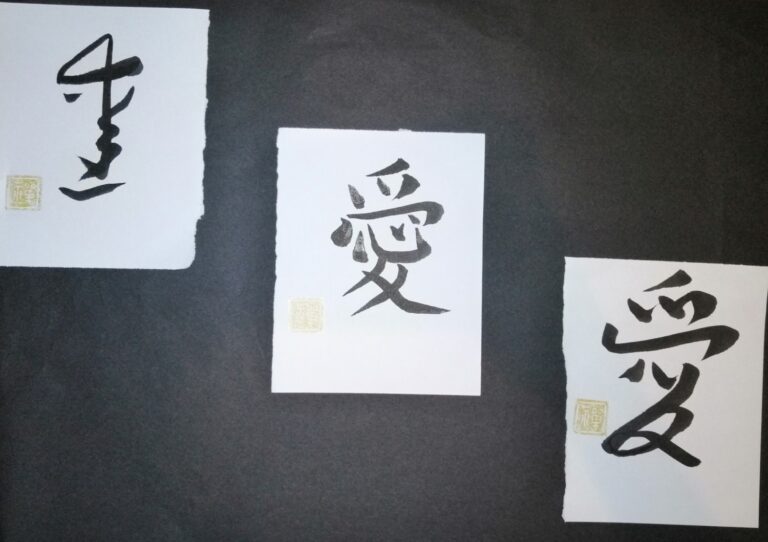
The Japanese symbol for love is 愛 (ai) for love in general or 恋 (koi) for romantic love. Here are both kanji, plus the sakura and crane motifs.

The Japanese symbol for love is 愛 (ai) for love in general or 恋 (koi) for romantic love. Here are both kanji, plus the sakura and crane motifs.
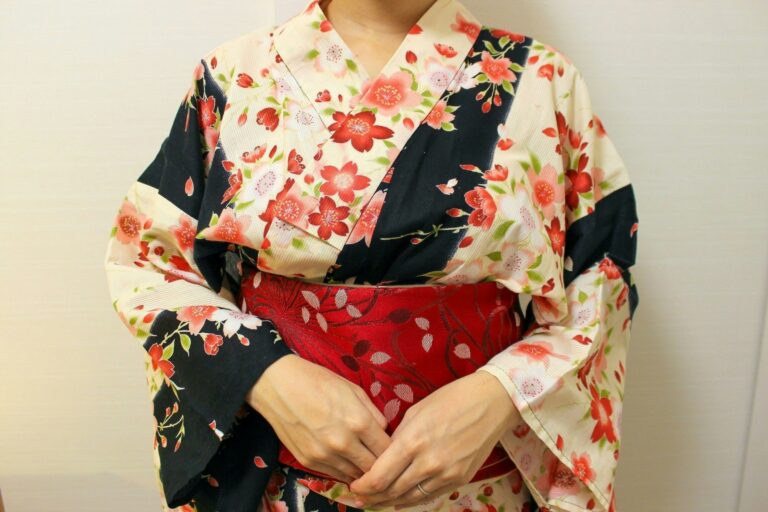
What was worn under yukatas? Traditionally nothing, then a cotton hadajuban once yukata became outerwear. Here is the full layering order, for women and men.
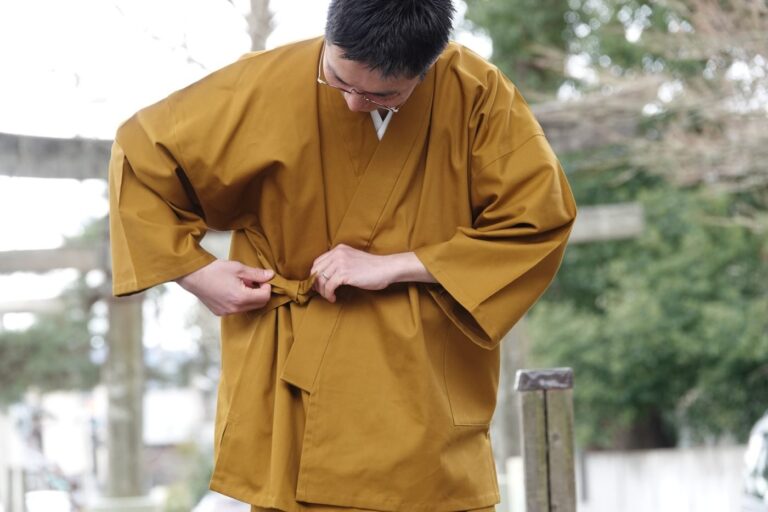
Samue are the two-piece jacket and trousers Zen monks wear for temple work. Here is what samue means, how it differs from a kimono, and how to wear one.
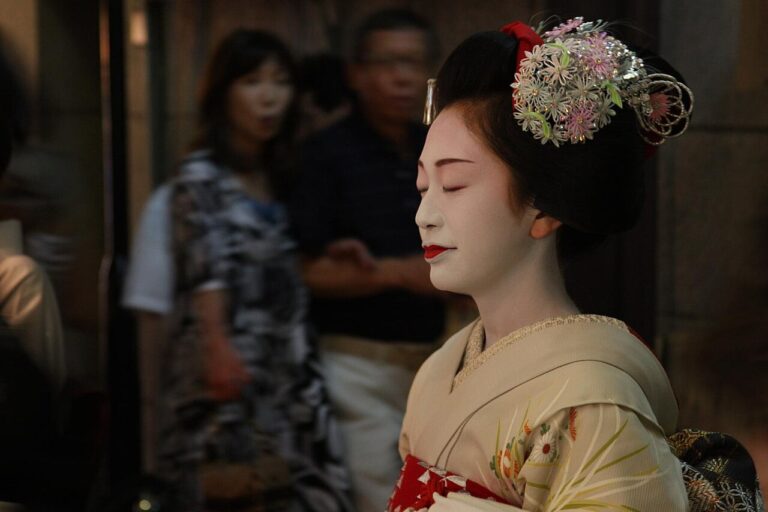
Kanzashi are Japanese hair ornaments worn with kimono, yukata and formal dress. Their history, main types, seasonal hana kanzashi calendar and how to wear them.
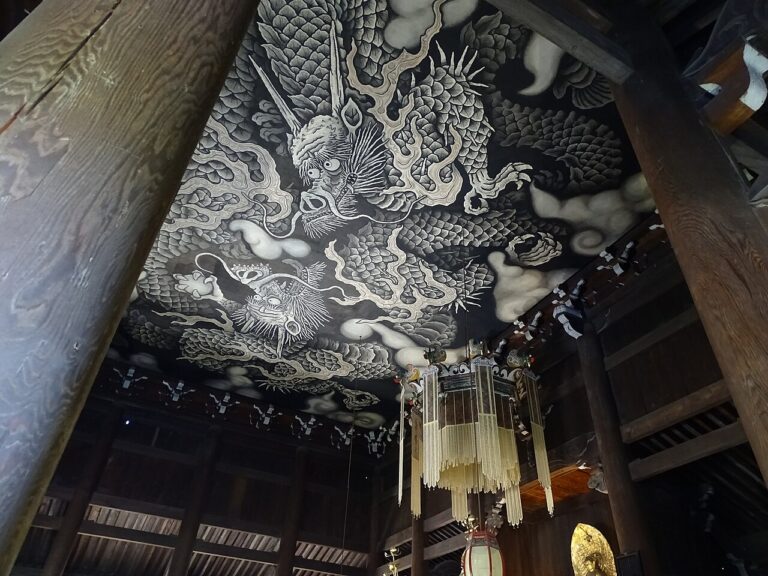
Japanese dragon tattoo meaning centres on wisdom, strength, and protection. See what ryu designs, colors, claw counts, and placements symbolize.
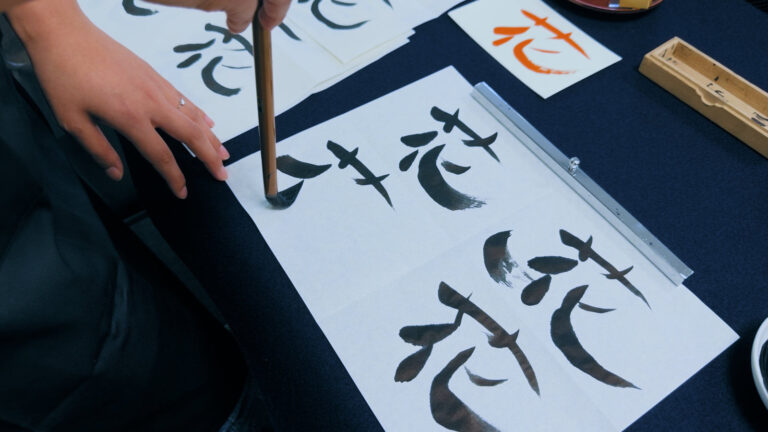
Japanese symbols cover three scripts, hiragana, katakana, and kanji, plus romaji, typographic marks, and cultural motifs. Here is what each one does.

Koi fish meaning centers on perseverance, from the dragon legend to what each koi color and koi tattoo symbolizes in Japan.

Kuchisake Onna is Japan's slit-mouthed woman, the masked figure who asks if she is pretty. Here is her legend, the 1979 panic, and how you escape her.
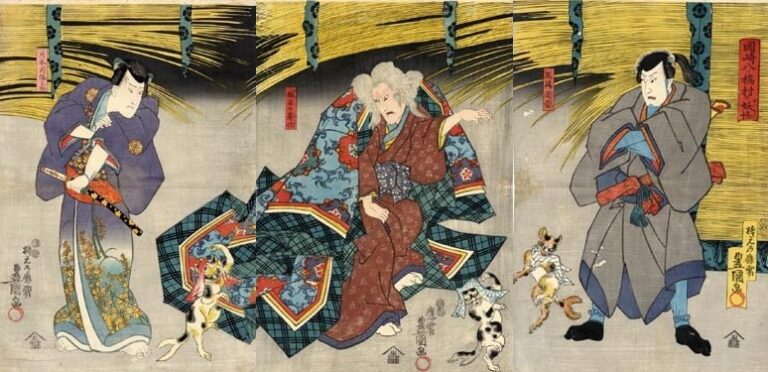
A nekomata is a Japanese yokai cat with a forked tail, aged out of a house cat or born as a mountain predator. Here is the folklore, the records and the powers.
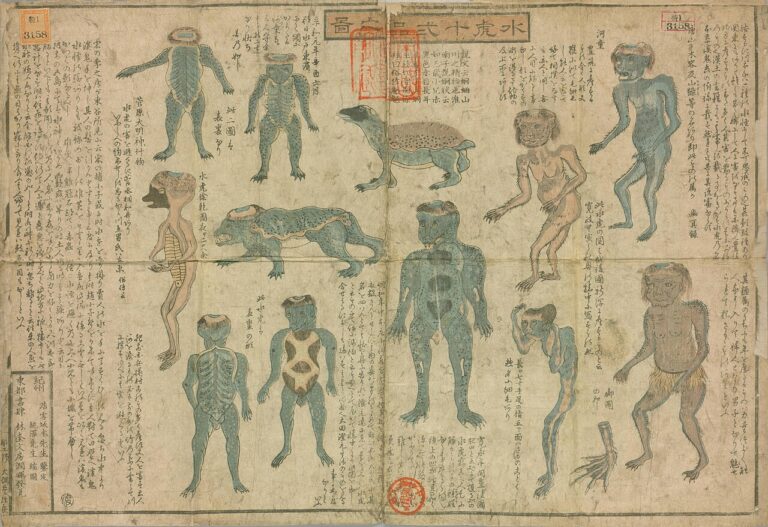
Kappa yokai are Japan's river dwellers with a water filled dish on the skull: their appearance, real dangers, defenses, shrine worship and mascot life.