What Was Worn Under Yukatas, and What Goes Under One Today
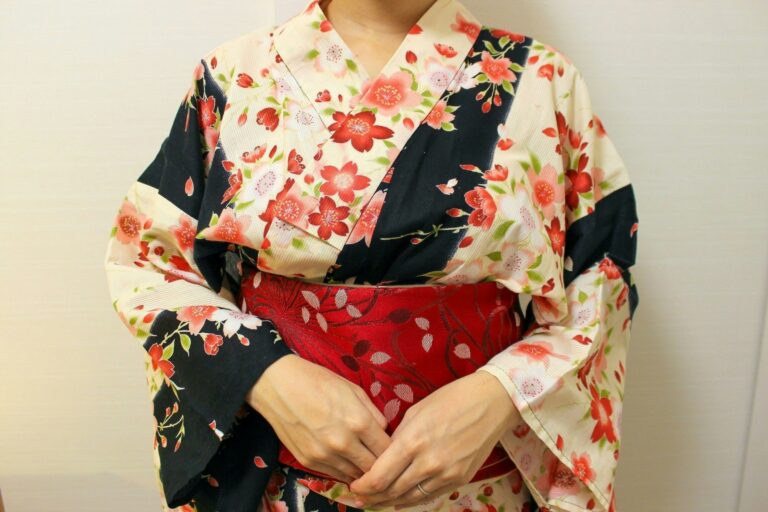
What was worn under yukatas? Traditionally nothing, then a cotton hadajuban once yukata became outerwear. Here is the full layering order, for women and men.
What was worn under yukatas? Traditionally nothing, then a cotton hadajuban once yukata became outerwear. Here is the full layering order, for women and men.
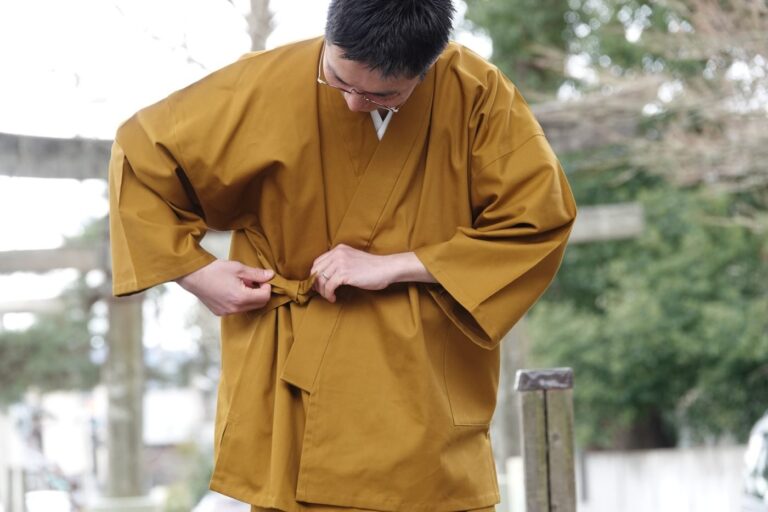
Samue are the two-piece jacket and trousers Zen monks wear for temple work. Here is what samue means, how it differs from a kimono, and how to wear one.
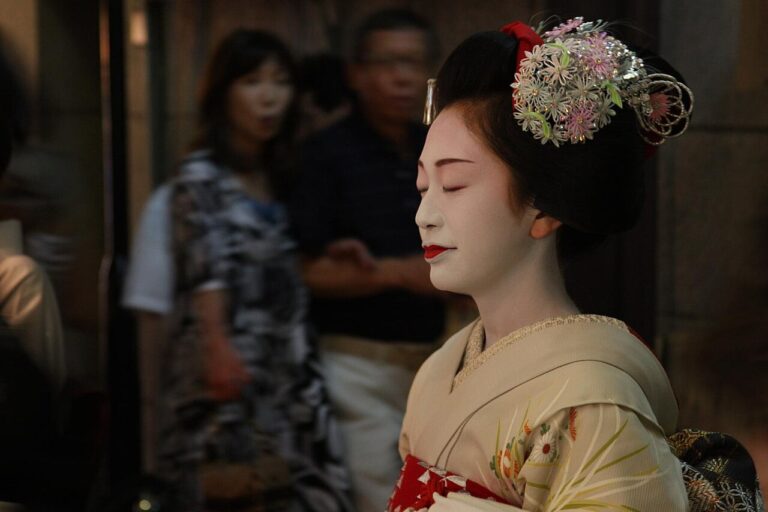
Kanzashi are Japanese hair ornaments worn with kimono, yukata and formal dress. Their history, main types, seasonal hana kanzashi calendar and how to wear them.
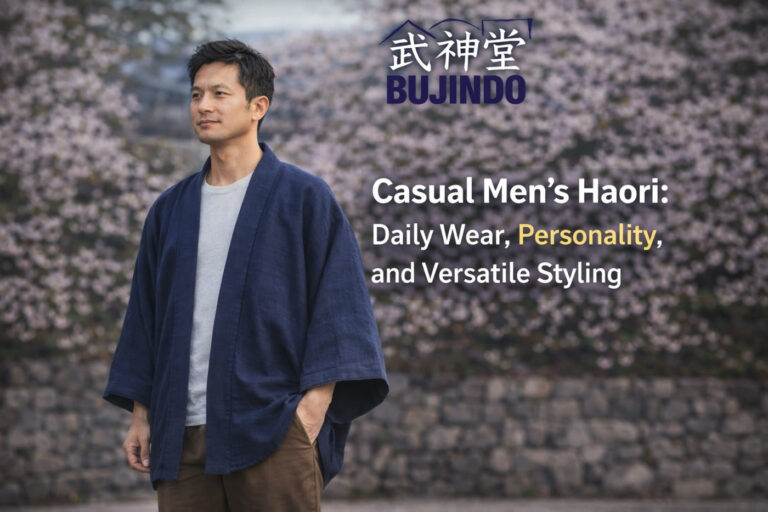
A haori is a traditional Japanese jacket worn over a kimono. Learn its history, the main types, and how to style one today with modern or traditional clothing.
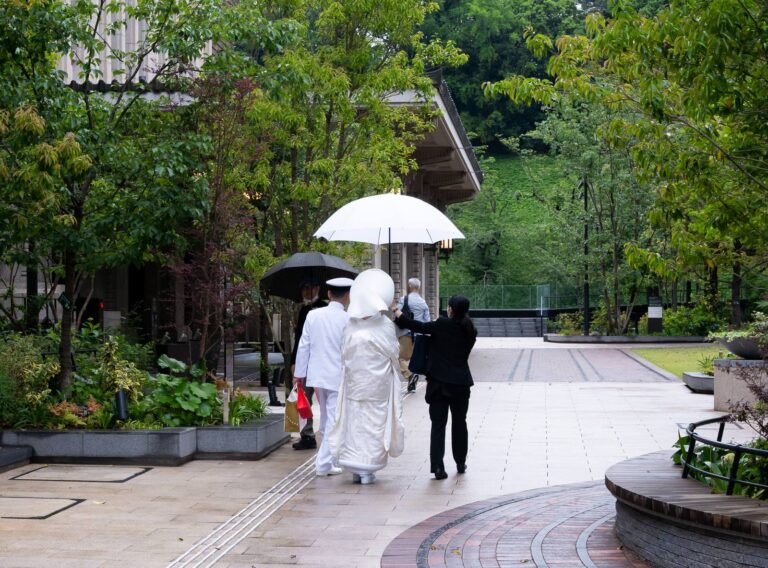
Shiromuku, iro-uchikake, and montsuki haori hakama are the four garments behind a traditional Japanese wedding, each tied to a stage of the day and a rule of formality that pairs the bride and groom.
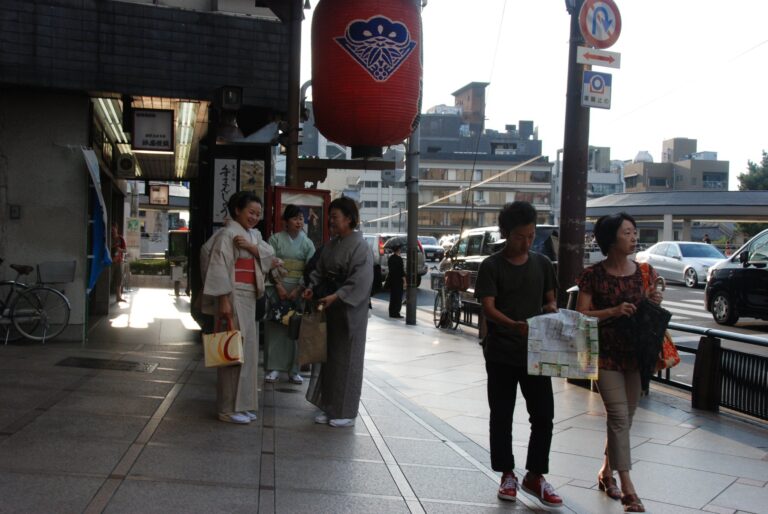
A finished kimono outfit worn out in public To dress a kimono, work outward in six steps: tabi socks, then the susoyoke slip and hadajuban camisole, then the nagajuban under-robe, then the kimono wrapped left side over right, then a…
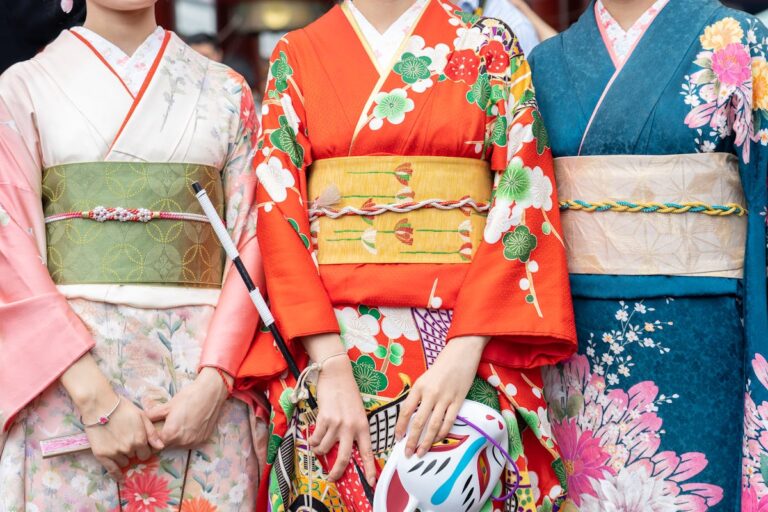
Kimono held closed by wide obi sashes Wafuku (和服) is the umbrella term for traditional Japanese clothing. It covers the kimono and the summer yukata, the pleated hakama worn over them, the obi that holds everything closed, and the wooden…
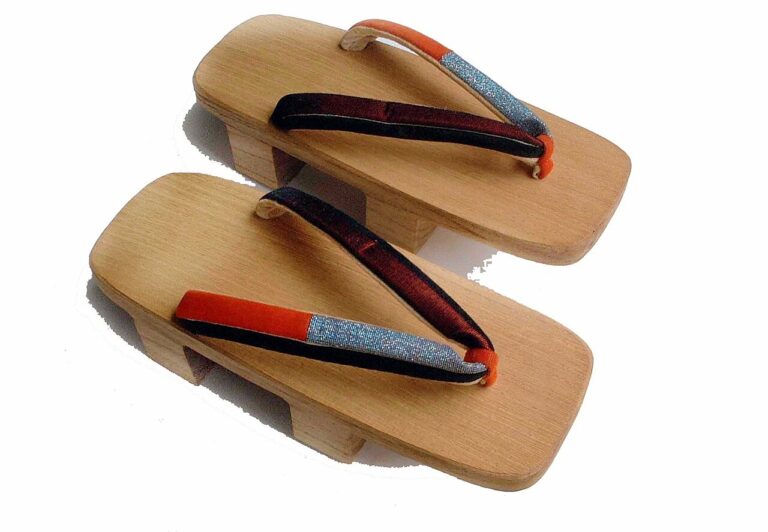
Two toothed geta with woven hanao straps Geta (下駄) are traditional Japanese sandals: a flat wooden base held on the foot by a fabric thong and lifted off the ground by one to three wooden teeth, most often two. The…
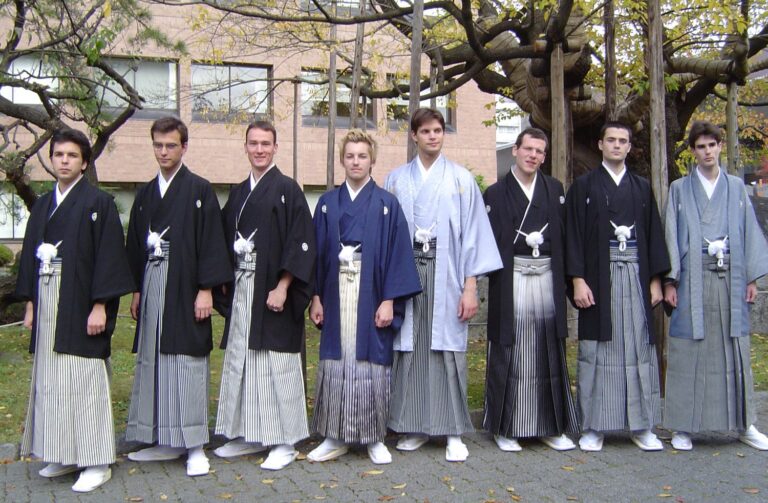
Formal montsuki, haori and striped hakama sets A hakama is a pleated Japanese garment for the lower body, tied at the waist with four long cloth straps and falling to roughly the ankles. A hakama is worn over a kimono,…
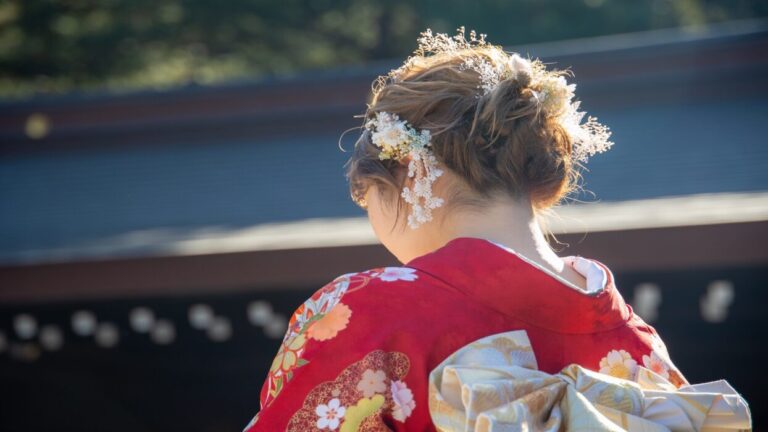
Kimono types ranked by formality, from bridal shiromuku and furisode down to yukata, plus the montsuki hakama combinations men wear.