Japanese Mask Tattoo Meaning: Hannya, Oni, and Tengu
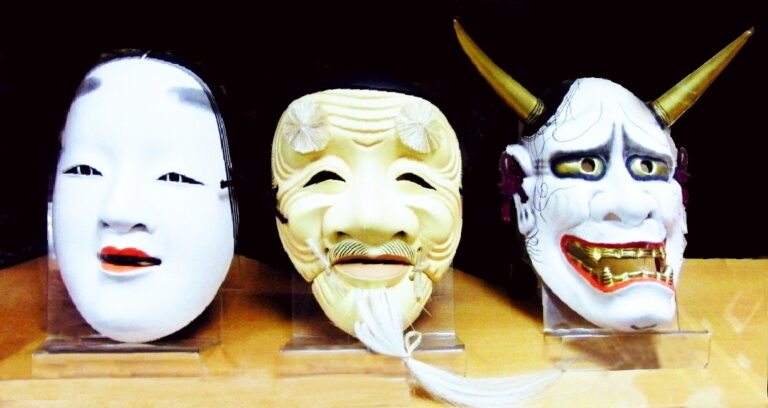
Japanese mask tattoo meaning explained: what a hannya, oni, tengu or kitsune face carries, what the colours signal, and how the motifs reached irezumi.
Japanese mask tattoo meaning explained: what a hannya, oni, tengu or kitsune face carries, what the colours signal, and how the motifs reached irezumi.
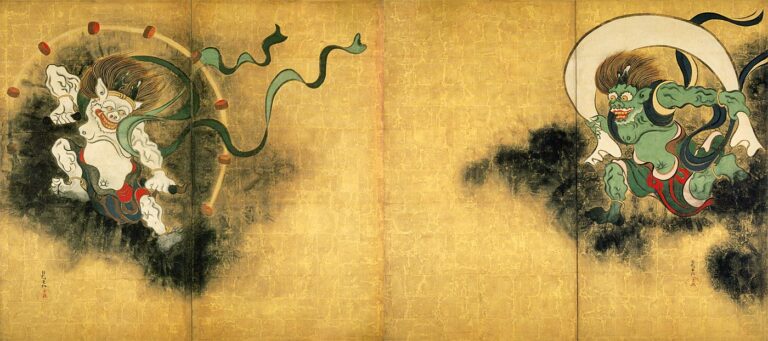
The traditional Japanese cloud tattoo meaning is change, freedom, mystery, and the divine. Here is the symbolism, its irezumi roots, and design ideas.
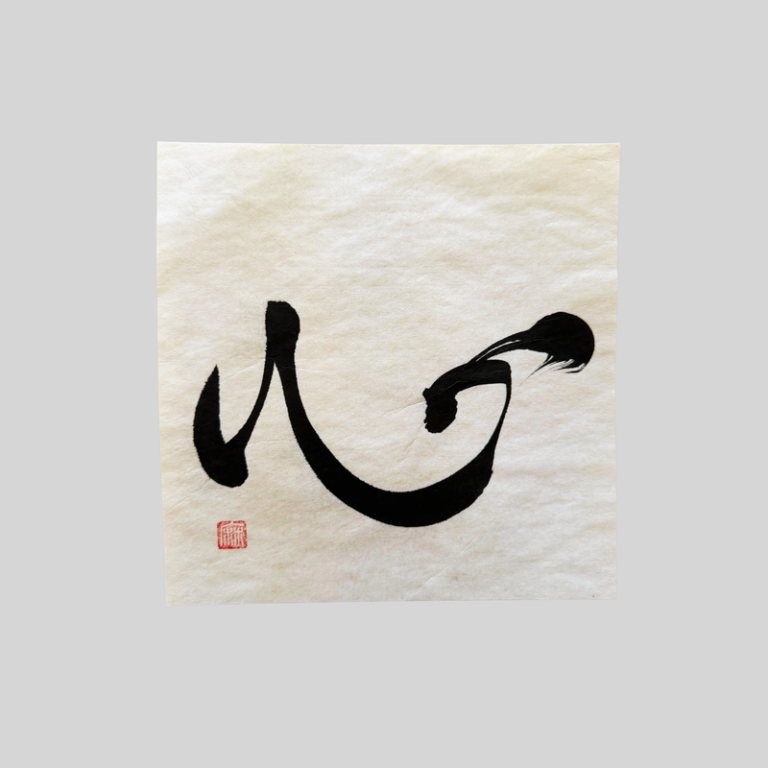
The Japanese heart symbol is 心 (kokoro), a four stroke kanji covering heart, mind and spirit. Its oracle bone origin, radical forms, compounds, and how it differs from the ♡ shape.
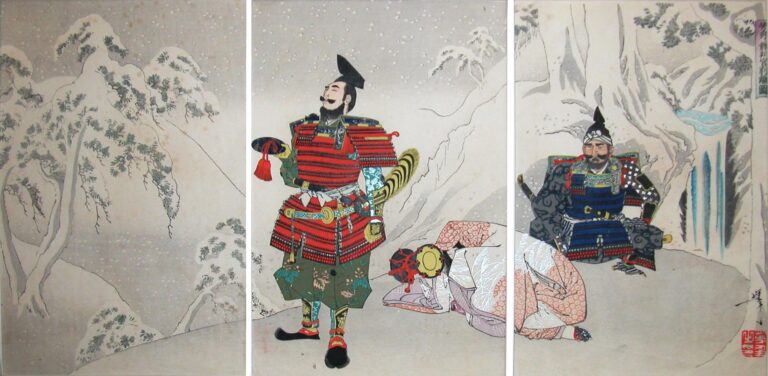
A Japanese samurai tattoo stands for bushido: honor, loyalty, courage, and self-discipline. What each design pairing means, why not every armored figure in a classical print is a samurai, and how placement and background change the reading.
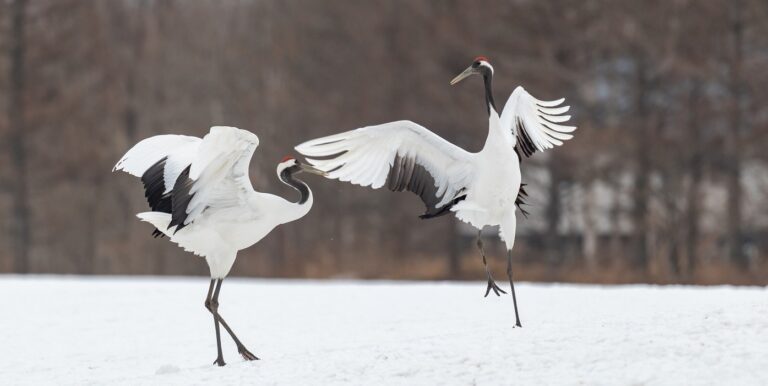
The Japanese crane tattoo meaning is longevity, good fortune, and lifelong loyalty. Here is the tsuru symbolism, the senbazuru legend, and design ideas.
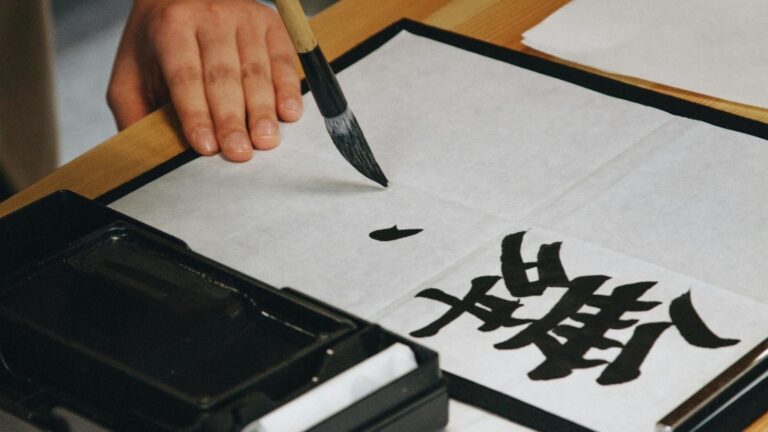
The symbol of peace in Japanese is 和 (wa) for harmony or 平和 (heiwa) for peace itself, plus the paper crane Hiroshima turned into a symbol of peace.
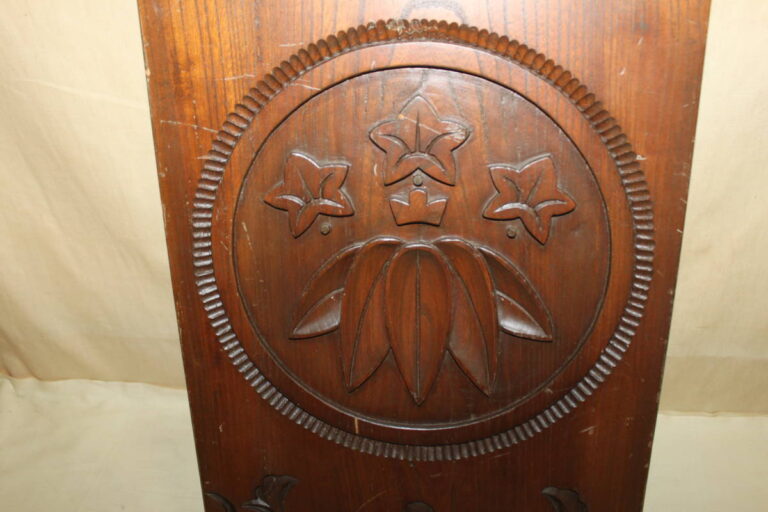
家族 (kazoku) is the Japanese word for family, and a kamon is the crest a household inherits. What each one means, and when to use which.
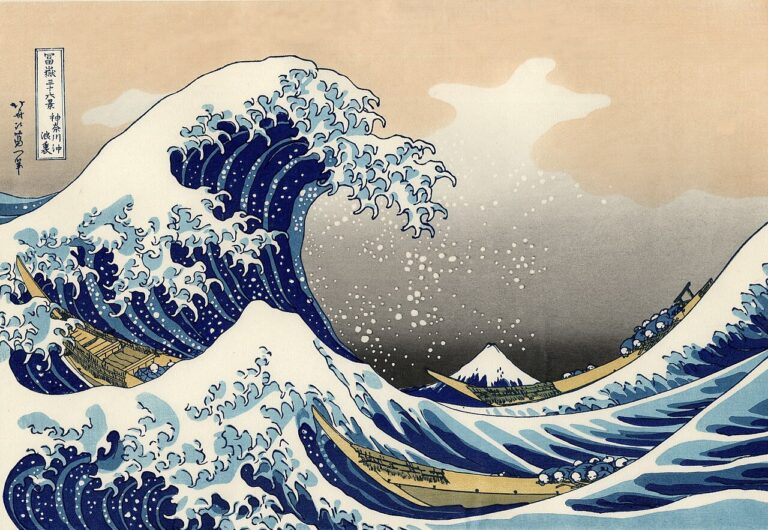
Japanese wave art is defined by Hokusai's Great Wave off Kanagawa. What the print shows, how it was made, what it means, and the wave tradition before it.
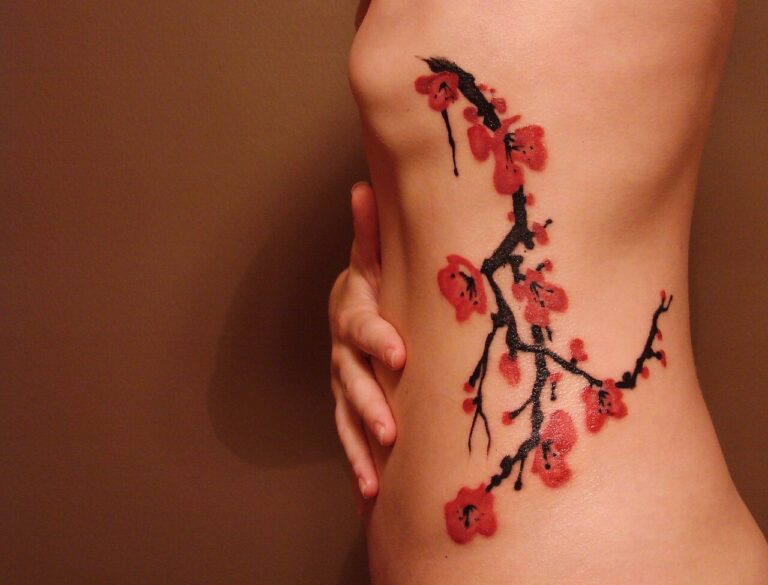
A Japanese blossom tattoo means impermanence. Here is the sakura symbolism behind it, how Japan, China and Korea read the flower, and the styles and placements that fit.
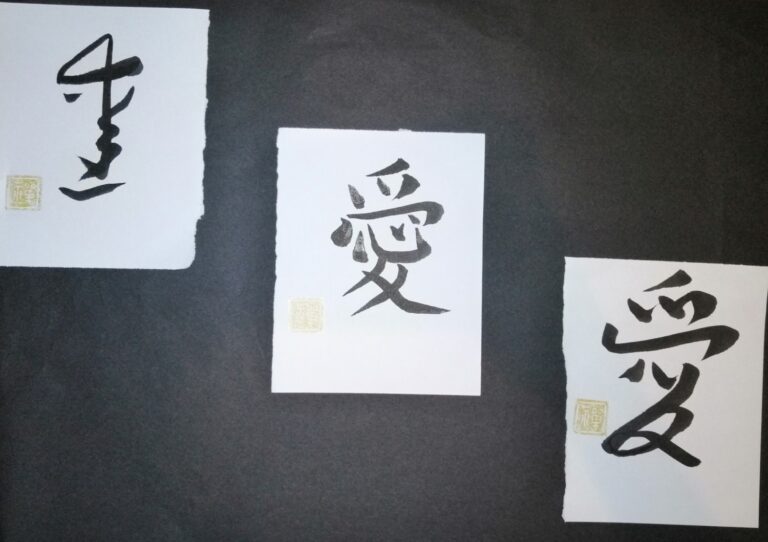
The Japanese symbol for love is 愛 (ai) for love in general or 恋 (koi) for romantic love. Here are both kanji, plus the sakura and crane motifs.