Japanese Dragon Tattoo Meaning: Ryu Symbolism Explained
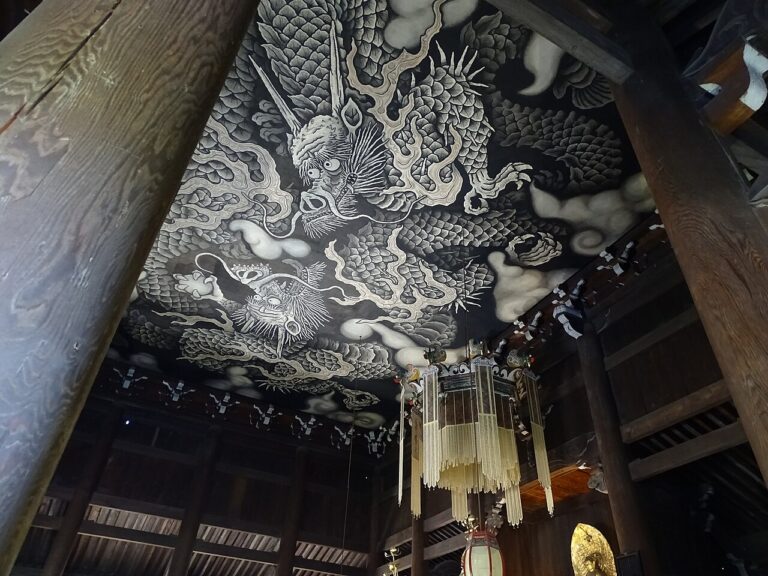
Japanese dragon tattoo meaning centres on wisdom, strength, and protection. See what ryu designs, colors, claw counts, and placements symbolize.
Japanese dragon tattoo meaning centres on wisdom, strength, and protection. See what ryu designs, colors, claw counts, and placements symbolize.
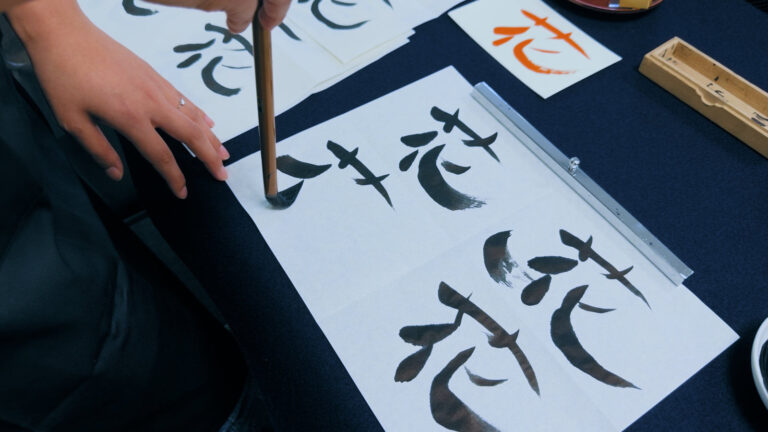
Japanese symbols cover three scripts, hiragana, katakana, and kanji, plus romaji, typographic marks, and cultural motifs. Here is what each one does.

Koi fish meaning centers on perseverance, from the dragon legend to what each koi color and koi tattoo symbolizes in Japan.
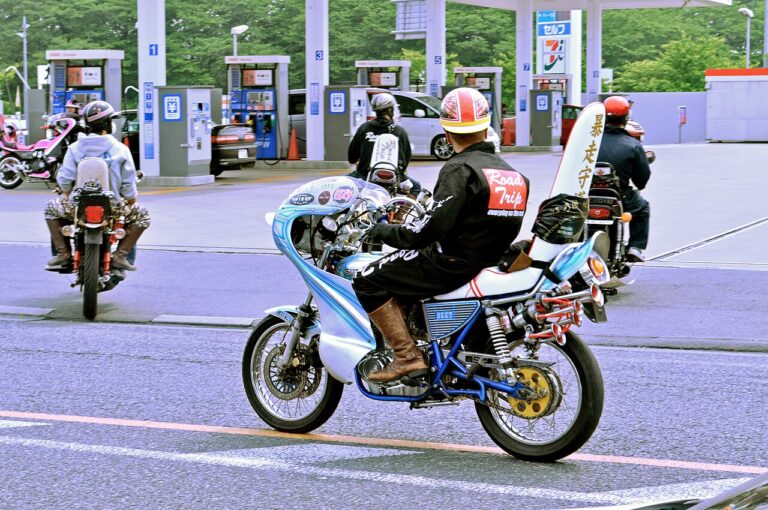
Bosozoku are Japan's motorcycle gangs, peaking at 42,510 members in 1982. The history, the modified bikes, the tokko-fuku look, and what still remains.
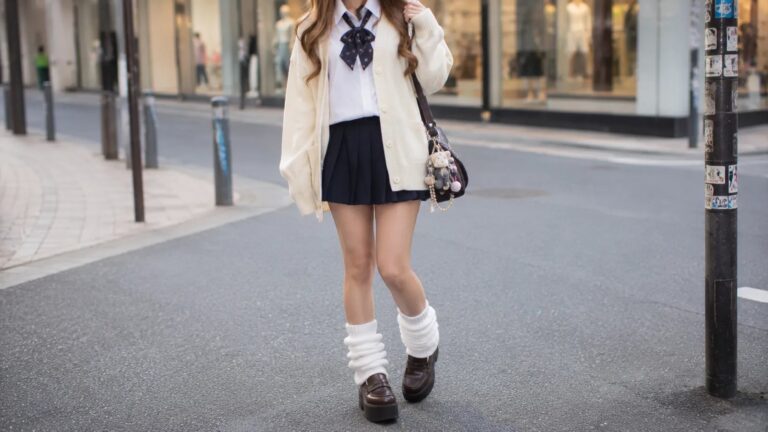
Kogal is the gyaru style built on a modified school uniform: shortened skirt, loose socks, bleached hair and a tan. Here is how the 1990s look worked.
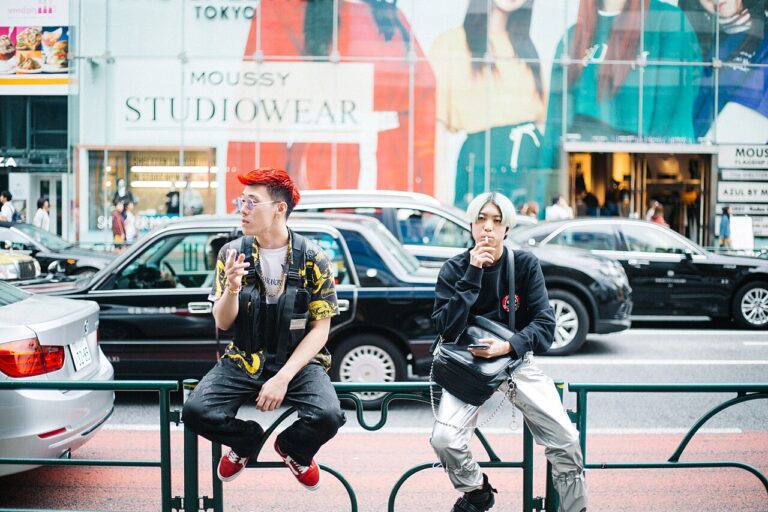
Male harajuku fashion is the men's side of Tokyo's most experimental street style: visual kei, goth, punk, oversized printed streetwear, decora and cosplay. Here is the history, the substyles men wear, and how to build an outfit.
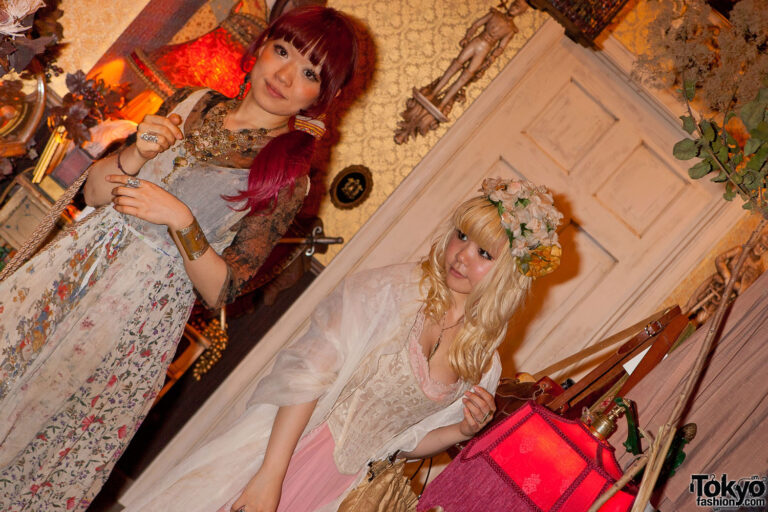
Dolly kei is a Japanese fashion style built on European vintage, antique dolls and fairy tale layering. Its origins, style rules, and how to wear it.
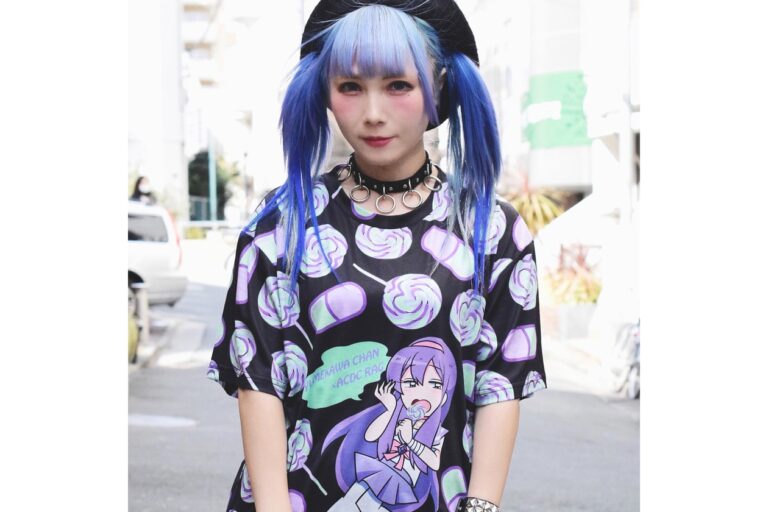
Menhera fashion pairs pastel kawaii clothing with medical motifs. What the term means, how it started on 2channel, and how the wardrobe is built.
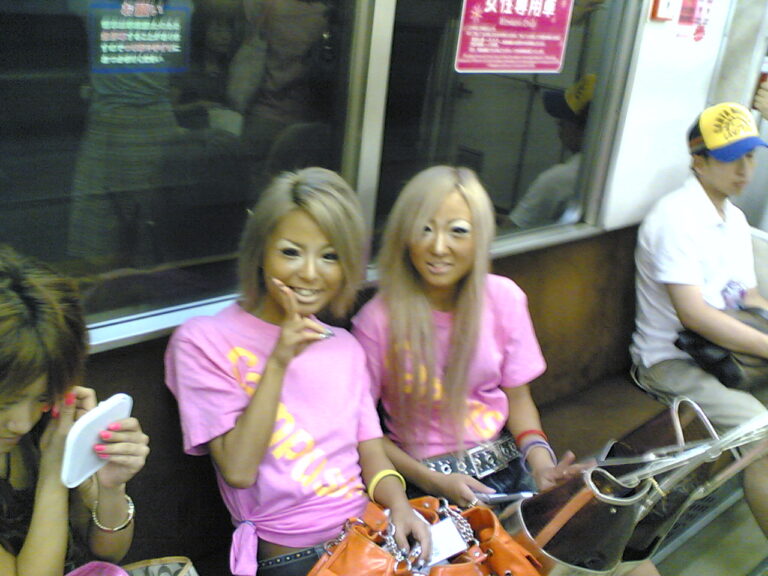
Ganguro was the deep-tan, bleached-hair gyaru style that peaked in Shibuya around 2000. Here is the makeup, the clothing, and why the trend faded so fast.
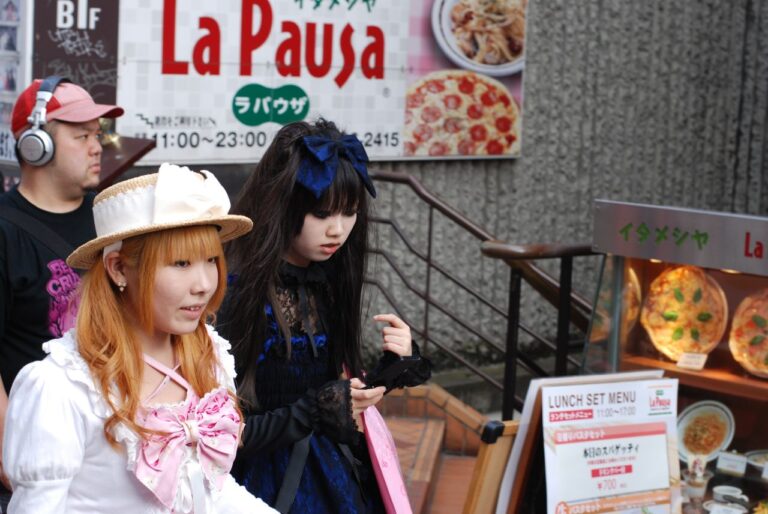
Does Lolita fashion trace back to goth culture? No. Lolita began in 1980s Japan, goth in 1970s Britain, and Gothic Lolita fused the two much later.