Decora Fashion: The Harajuku Style Built on Accessories
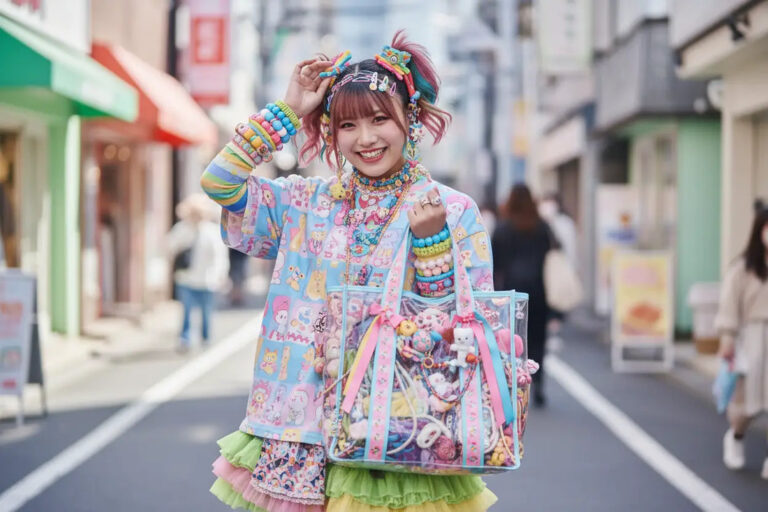
Decora fashion is the Harajuku style that piles on clips, bracelets and bright colors. Here is what defines the look, its substyles, and how to build one.

Decora fashion is the Harajuku style that piles on clips, bracelets and bright colors. Here is what defines the look, its substyles, and how to build one.
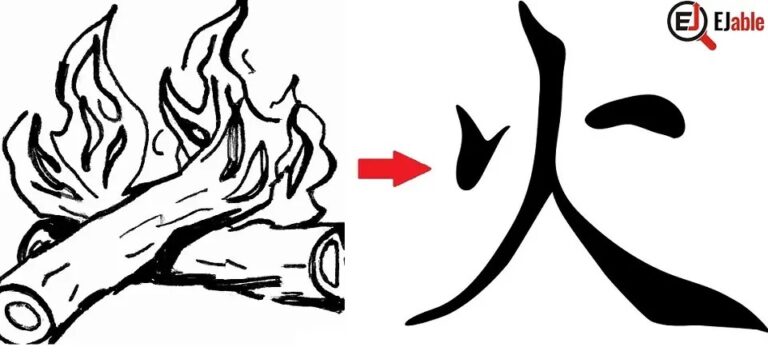
The Japanese symbol for fire is 火, read hi or ka. See its origin, its purification symbolism, related fire words, and everyday compounds.
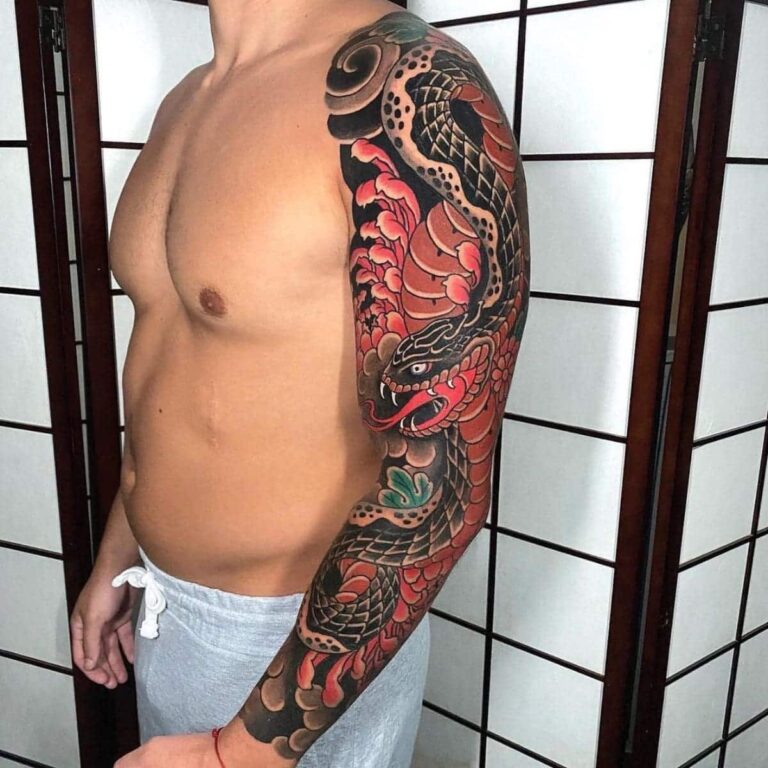
In Japanese tattooing, a snake (hebi) tattoo means protection, transformation, and rebirth. See the color meanings, zodiac ties, and common pairings.
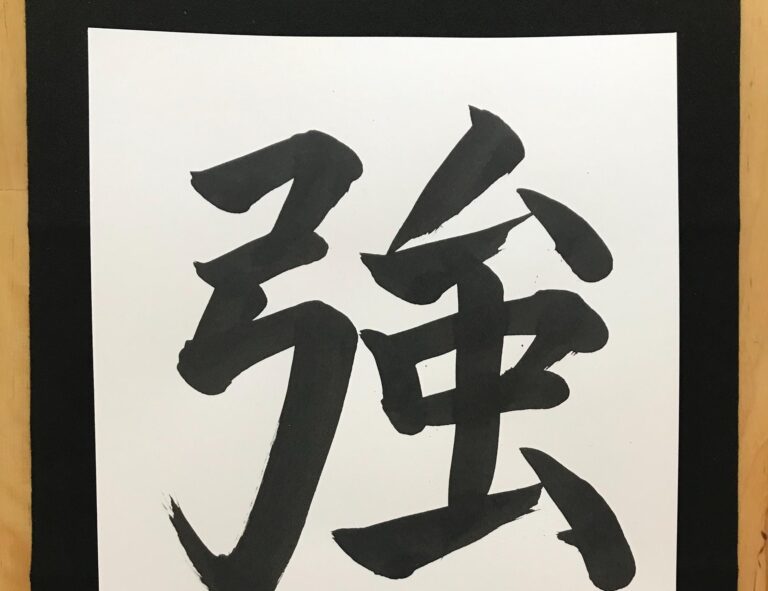
The Japanese symbol for strength is 力 (chikara) for raw power or 強 (tsuyoi) for resilience. See the kanji, their history, and how they are worn today.
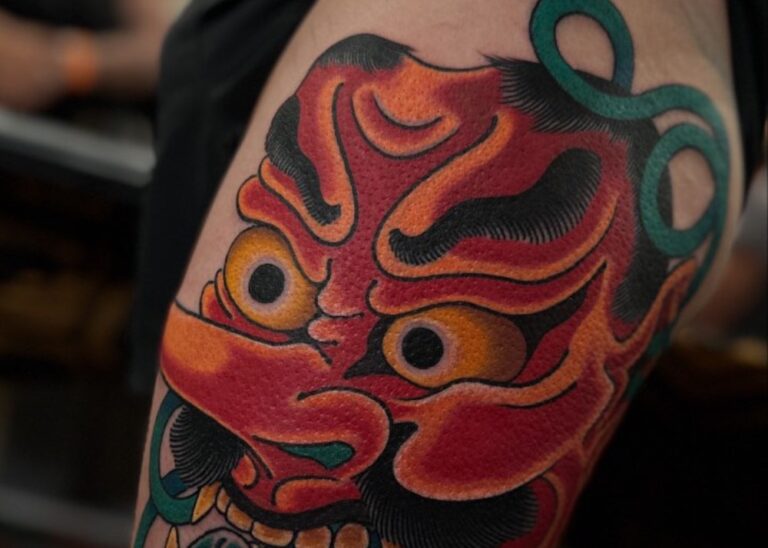
A tengu tattoo blends mischief and protection: the daitengu (long-nosed) and karasu tengu (crow-faced) styles carry different Japanese folklore symbolism.
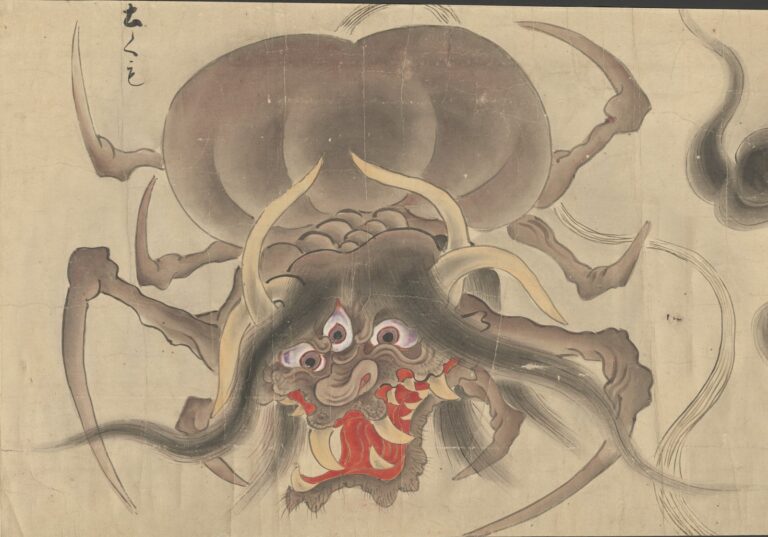
Tsuchigumo is a shapeshifting spider yokai in Japanese folklore, once a historical slur for rebel clans, later Minamoto no Yorimitsu's most famous foe.
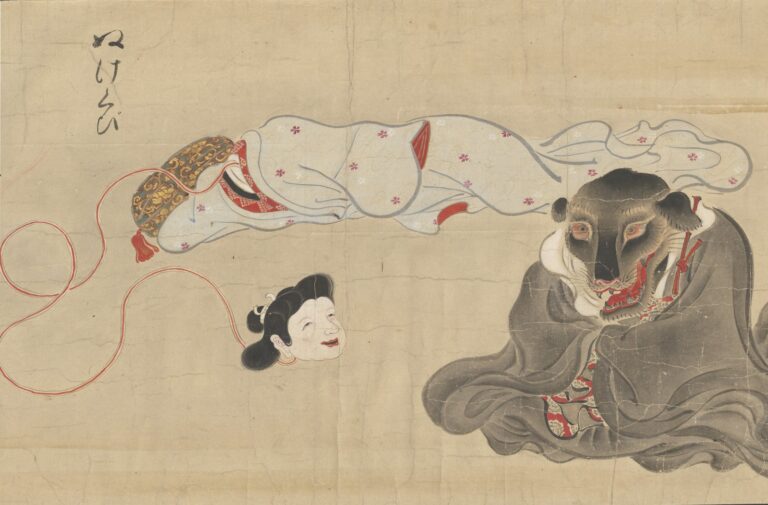
A rokurokubi is a Japanese yokai whose neck stretches at night or whose head detaches entirely. Here is the Edo-period origin, behavior, and modern pop culture.
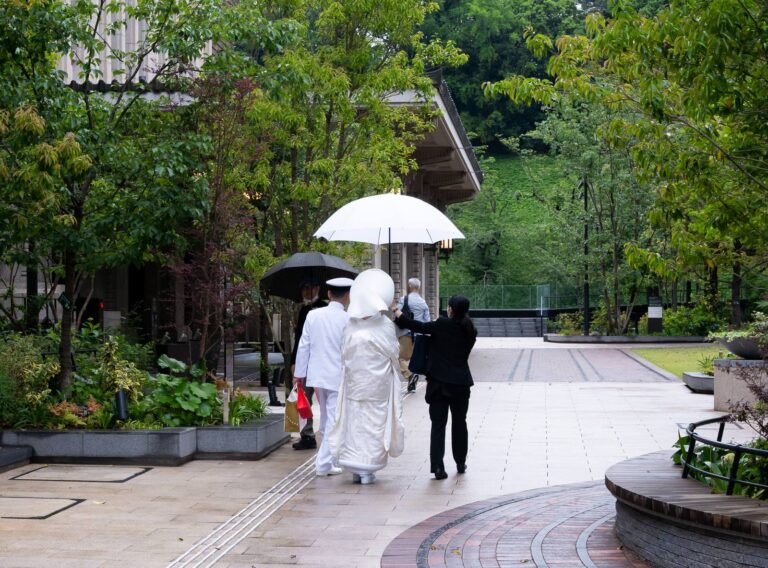
Shiromuku, iro-uchikake, and montsuki haori hakama are the four garments behind a traditional Japanese wedding, each tied to a stage of the day and a rule of formality that pairs the bride and groom.
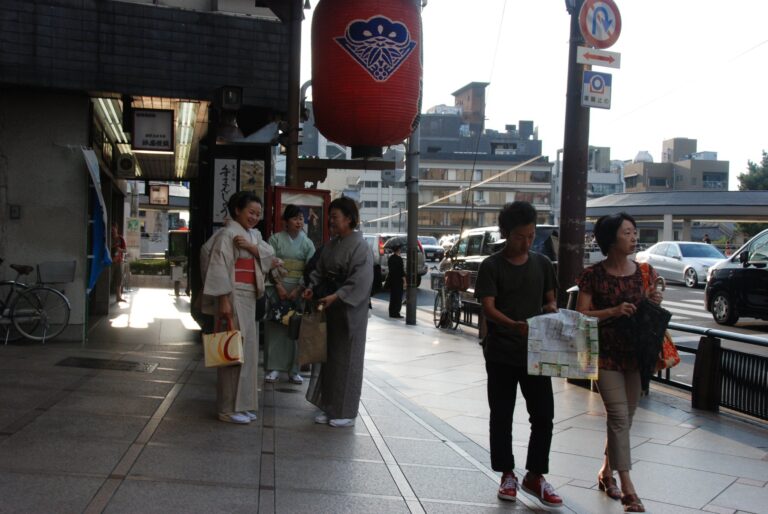
A finished kimono outfit worn out in public To dress a kimono, work outward in six steps: tabi socks, then the susoyoke slip and hadajuban camisole, then the nagajuban under-robe, then the kimono wrapped left side over right, then a…
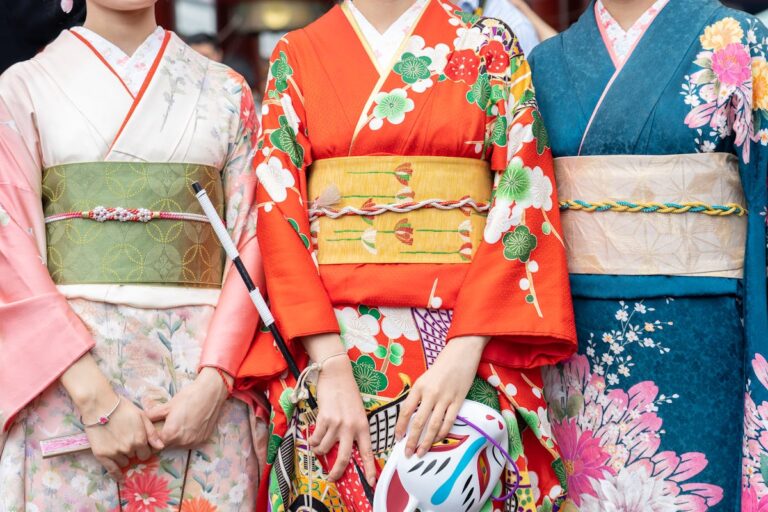
Kimono held closed by wide obi sashes Wafuku (和服) is the umbrella term for traditional Japanese clothing. It covers the kimono and the summer yukata, the pleated hakama worn over them, the obi that holds everything closed, and the wooden…