

Samurai Armor Ranks and When O-Yoroi Armor Came Into Use
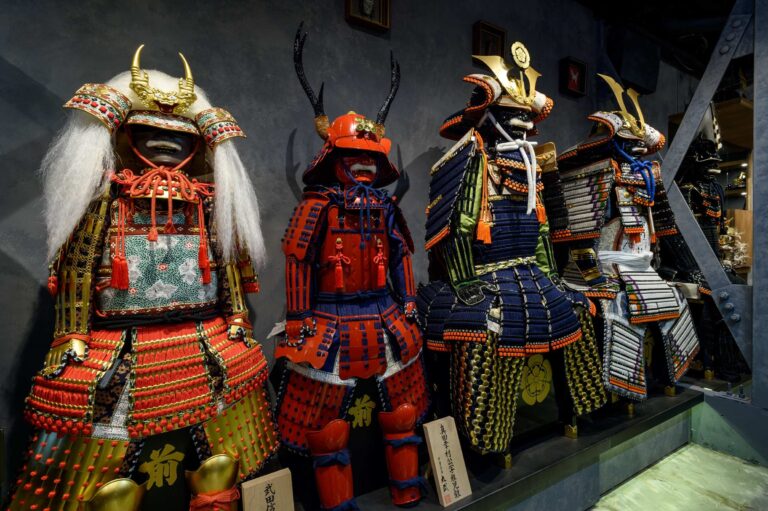
Samurai armor ranks showed up in lacing and materials, not titles. See how o-yoroi fit that hierarchy and when it first came into use in Heian Japan.

Samurai armor ranks showed up in lacing and materials, not titles. See how o-yoroi fit that hierarchy and when it first came into use in Heian Japan.
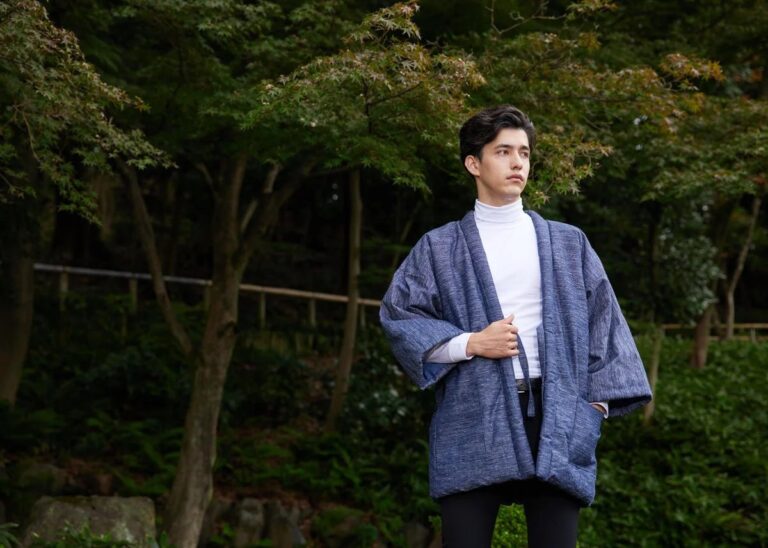
A hanten is a padded traditional Japanese winter coat dating to the Edo period. Here is its history, how it differs from a haori, and how it's worn today.
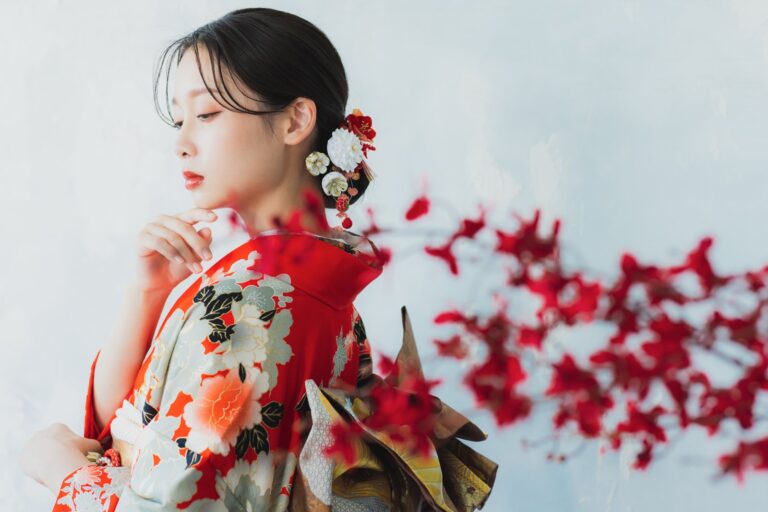
A furisode is Japan's most formal kimono, known for long sleeves worn by young unmarried women. Learn its history, types, and how it is worn today.
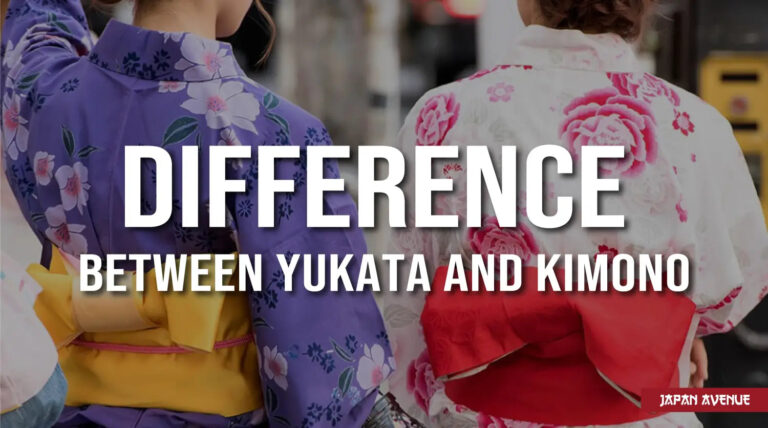
Yukata vs kimono comes down to fabric, layers, and formality. See the key differences, a side-by-side comparison table, and how to choose the right one.
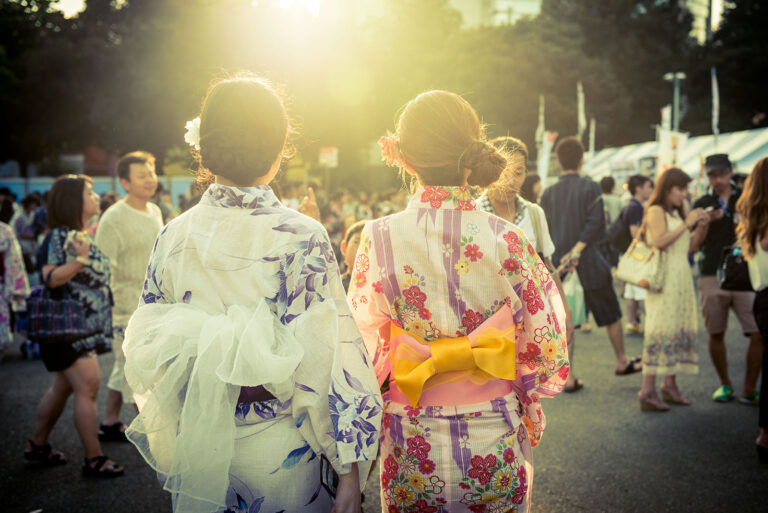
A yukata is Japan's casual cotton summer kimono, worn at festivals, onsen towns, and ryokan. Here is its history, styles, and how to wear one.
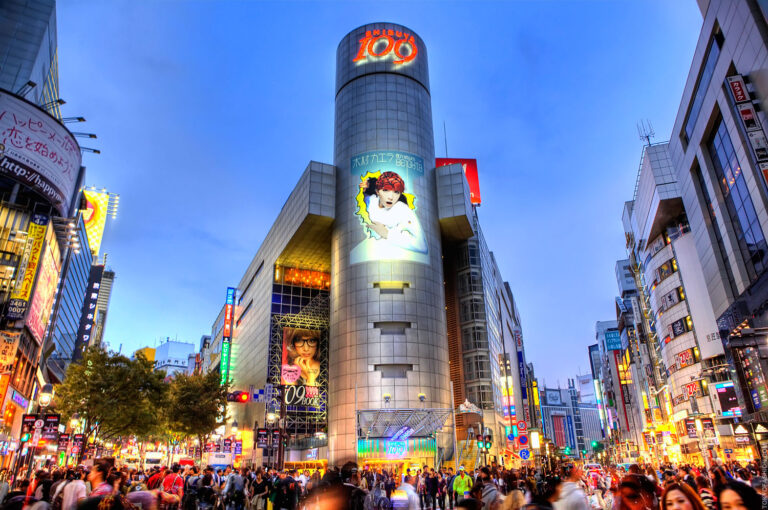
Jirai kei brands worth knowing, from established Japanese labels Liz Lisa and Ank Rouge to size-inclusive lines and where to shop the look outside Japan.
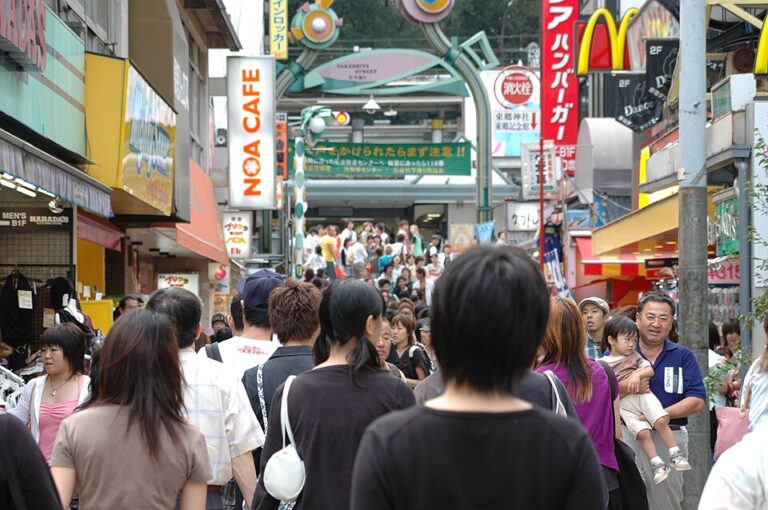
Takeshita Street in Harajuku, September 2004 Japanese Y2K fashion is the version of the millennium look that Tokyo built for itself between the late 1990s and the early 2000s: shiny synthetic fabrics, low rise silhouettes, loud logos and graphic prints,…
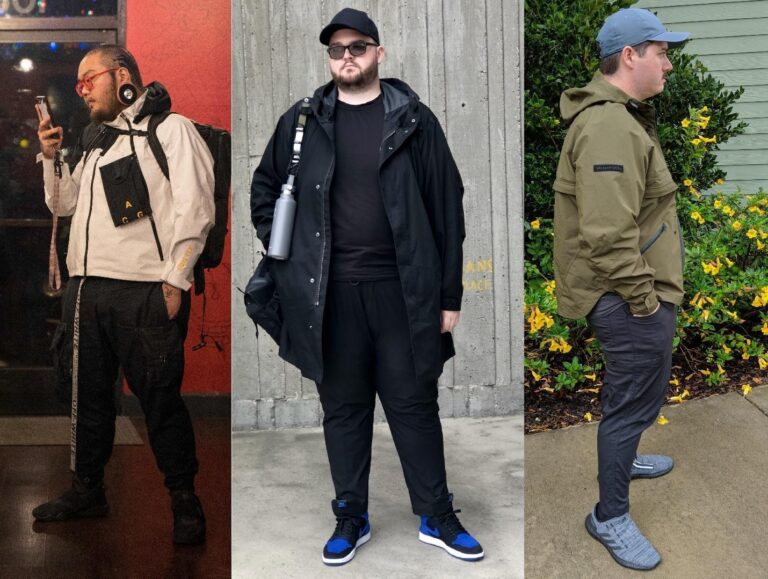
Authentic techwear street styles showing functional layering and monochrome palettes Japanese techwear is functional clothing made from technical performance fabrics and cut with the detail and proportion of Japanese design. It takes what outdoor and military gear do well, weatherproofing,…
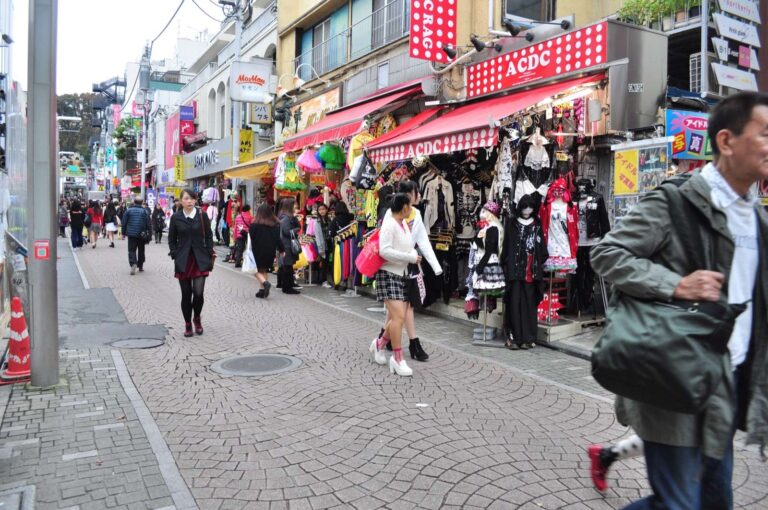
Takeshita Street Harajuku: Japan’s punk fashion epicenter Japanese punk fashion is a Tokyo adaptation of 1970s British punk that keeps the original hardware, safety pins, bondage straps, studded leather and torn shirts, but assembles it with far more precision than…
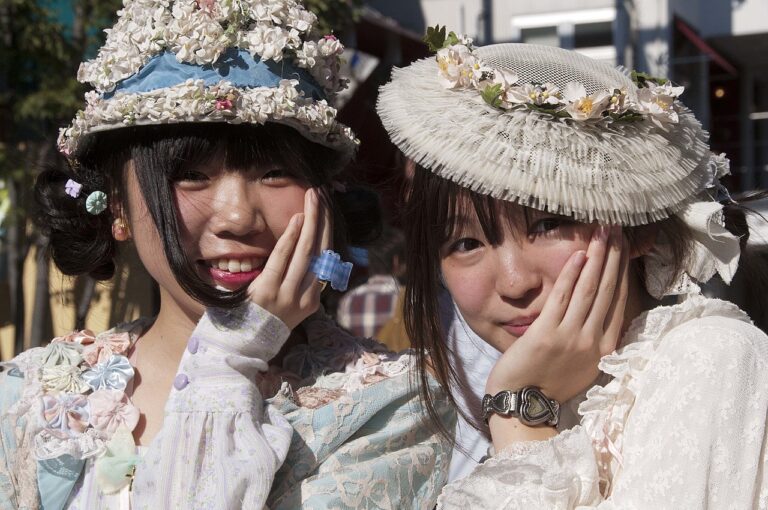
Harajuku fashion styles are not one look but a family of Tokyo subcultures. How lolita, decora, fairy kei, gyaru, visual kei and cyber kei differ.