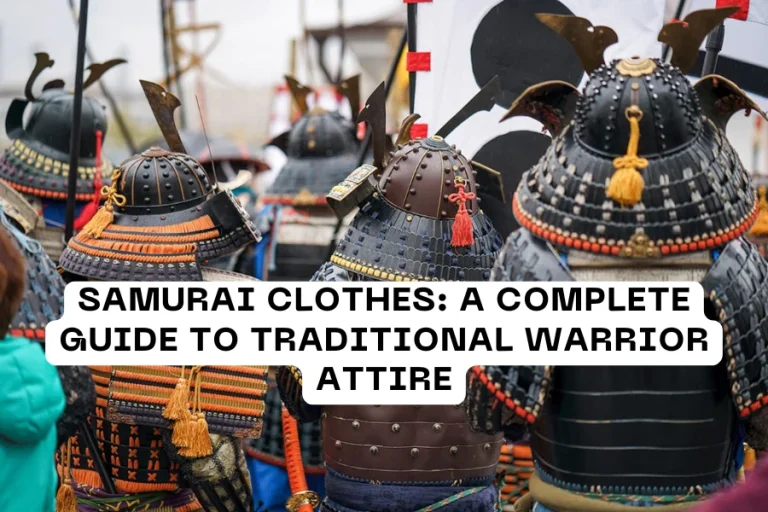


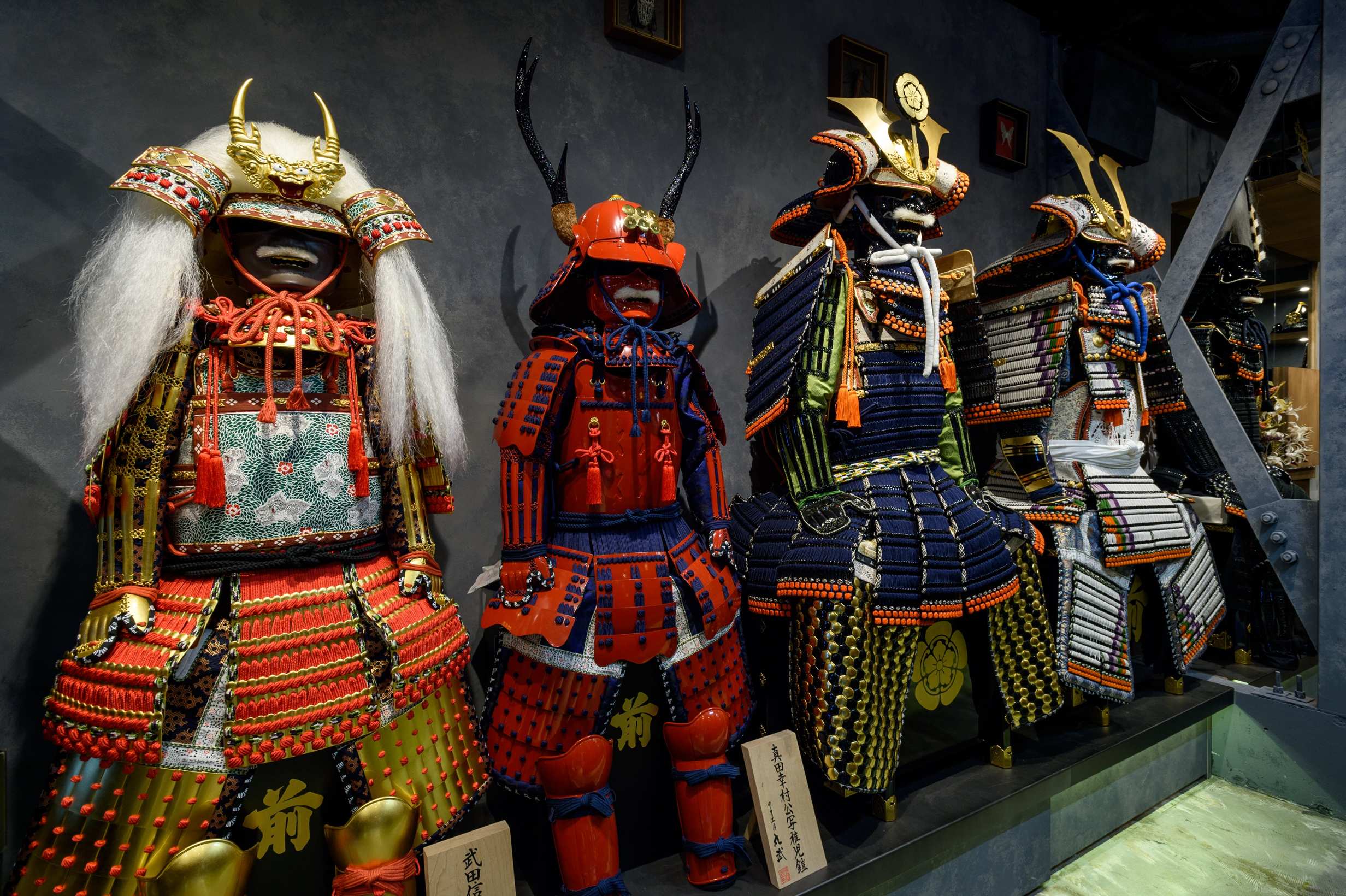
Samurai armor did not carry rank names the way military uniforms do today. Rank showed up in the armor itself: mounted, higher-status samurai wore o-yoroi, a heavy, boxy suit built for horseback archery, while lower-ranking soldiers wore lighter versions of the same idea with fewer parts and no decoration. That same layered approach to dressing carried into everyday life too, visible in the broader tradition of traditional Japanese clothing for men that samurai wore off the battlefield. O-yoroi first appeared in the mid-to-late Heian period, around the 10th century, and saw its widest use during the Genpei War in the 12th century before falling out of favor in the 15th century as samurai shifted to infantry fighting.
How samurai armor rank actually worked
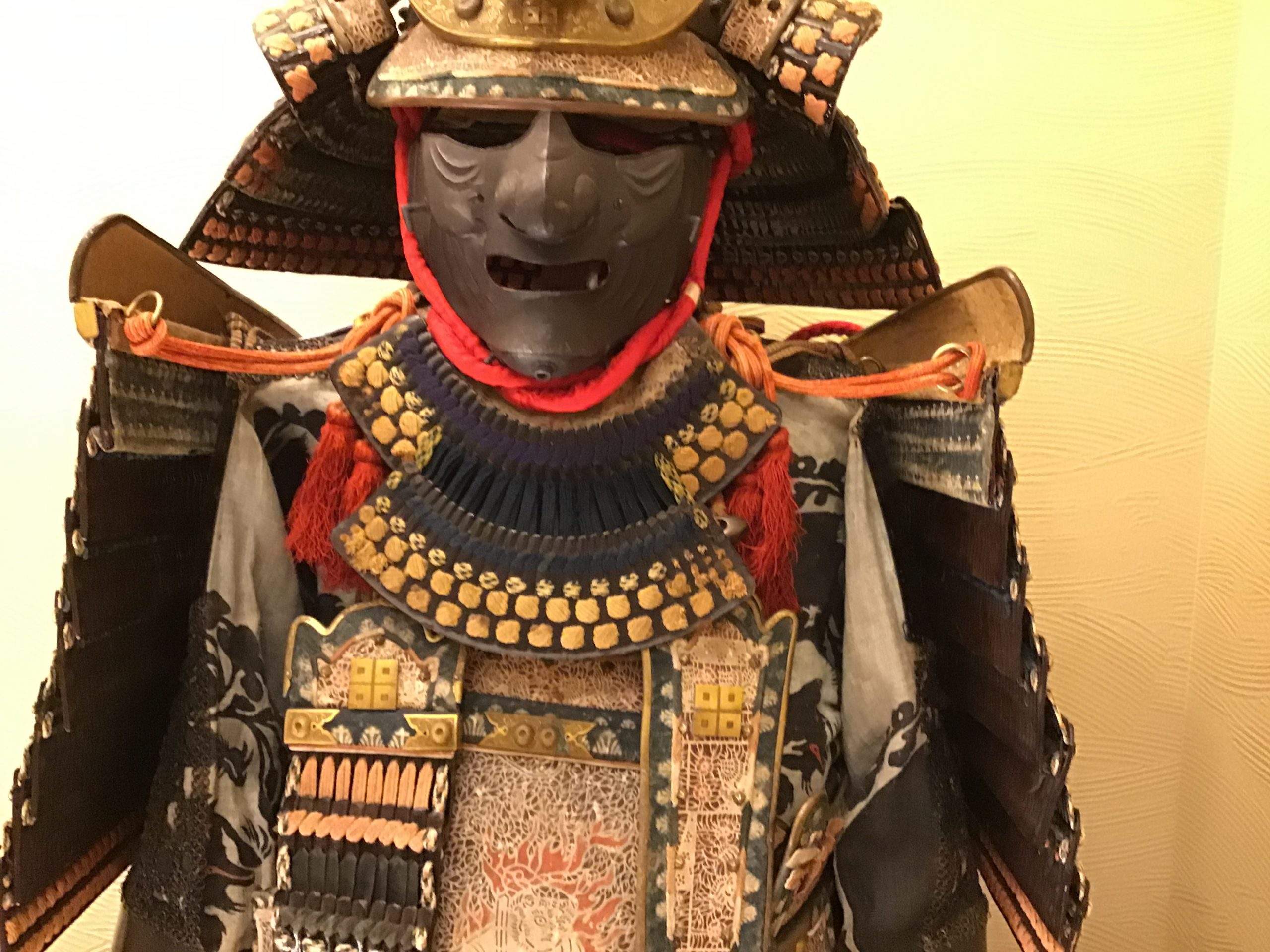
Most of what survives today, in fact, comes from that higher-ranking group, since their armor was donated to shrines or kept by descendants, while a common soldier’s gear was rarely preserved.
Material told part of the story too. Iron and cowhide built the small lamellar scales, called kozane, that made up the body of the armor, and the higher the rank of the samurai, the more advanced the techniques and materials used in the build. Warriors also wore padded samurai clothes underneath the plates, the kind covered in Kamicrew’s samurai clothes breakdown, to cushion movement and keep the lacing from chafing during long campaigns. A full o-yoroi represented a genuine investment that only a wealthier or higher-ranking warrior could commission.
The color, pattern, and tightness of the odoshi (the cord lacing the scales together) identified both clan and status: higher-ranking officers had their plates laced tightly, while lower-ranking samurai wore armor laced more loosely. Loose lacing was lighter, let air circulate, and dried out faster, so it eventually spread to every rank regardless of status. Once that happened, the lacing on the neck guard became the detail that still marked rank, since its pattern and the number of paired cords kept indicating who a wearer was.
When did samurai get o-yoroi armor
Samurai first received o-yoroi armor in the mid-to-late Heian period, around the 10th century. It became the standard armor for mounted warriors during the 12th-century Genpei War, stayed in active use through the Kamakura period, and had mostly fallen out of use by the 15th century.
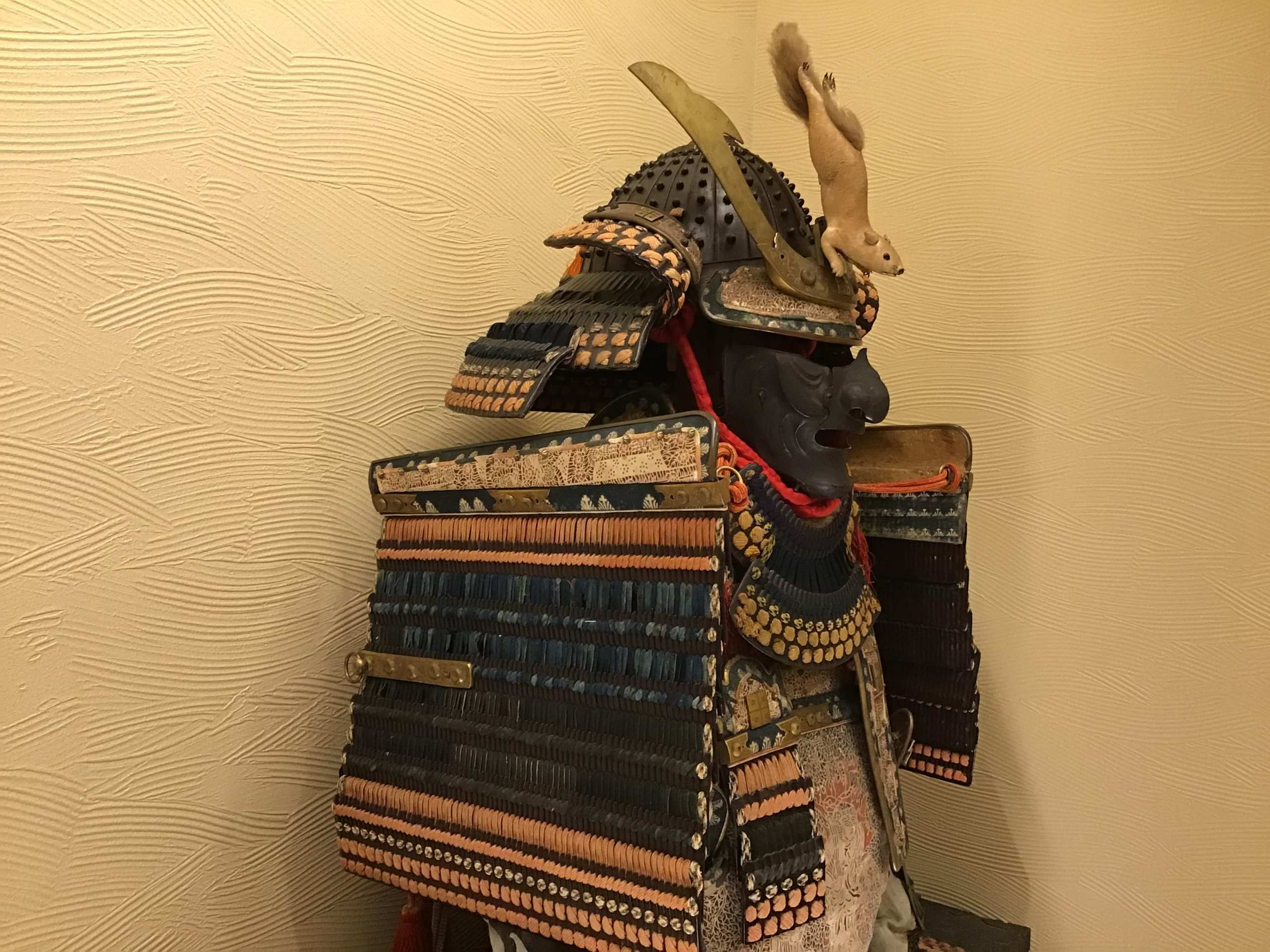
The design answered a specific style of fighting called kisha-sen, mounted archery duels where two riders introduced themselves, drew their bows, and shot at each other as they rode past. That is why the armor’s core features, the large sode shoulder guards used to block arrows, the deer-leather panel across the chest that kept the bowstring from snagging on the scales, and the boxy kusazuri skirt, were all built around fighting from horseback with a bow rather than a sword.
The design kept evolving through the Kamakura period, when the chest piece began tapering toward the waist for better movement on a horse. The Tachibana Museum’s collection notes that o-yoroi was used mainly between the 10th and 13th centuries and, unlike later armor, was stored folded rather than displayed upright, since its cuirass construction before the 13th century allowed it to fold flat. That changed once the armor’s lower sections were bound together as the design matured.
By the Nanboku-cho period in the 14th century, warfare had moved toward larger, ground-based battles fought with spears, polearms, and swords, and the boxy o-yoroi became a liability rather than an advantage. Its shape hindered the free, fluid sword motion close combat demanded, which is part of why samurai leaned on the yari spear once that shift happened. Lighter, more flexible armor took over on the battlefield, and o-yoroi survived afterward mainly as a ceremonial and status symbol through the Edo period.
Other armor by rank: do-maru, haramaki, and gusoku
After o-yoroi declined, samurai armor evolved into lighter, cheaper styles worn across more ranks: the dō-maru and haramaki for infantry combat, and later tōsei gusoku (“modern armor”) as fighting became close-range. Cost and mobility, not just status, increasingly determined which armor a samurai wore.
The dō-maru wrapped around the body and closed at the side, giving up some of the o-yoroi’s rigid protection for flexibility and lighter weight, which suited foot soldiers fighting in close formation. Because it was easier to move in, the dō-maru’s style of shoulder strap was eventually adopted across all ranks, including by samurai who had once worn o-yoroi exclusively.
The haramaki became popular in the Nanboku-cho period as long-range weapons like the yari and naginata, and eventually the katana, saw wider use on larger battlefields. Later still, as combat kept changing, armor makers developed tōsei gusoku, which trimmed features like the o-sode shoulder guards down further, or removed them, once close combat made the old bow-focused design unnecessary.
Surviving armor and how rank still shows today
Because o-yoroi was costly to build and mostly limited to higher-ranking samurai, most surviving examples belonged to that same elite group. Shrines preserved donated sets, and museums like the Tachibana Museum and the Metropolitan Museum now document their lacing, materials, and construction, keeping rank distinctions visible today.
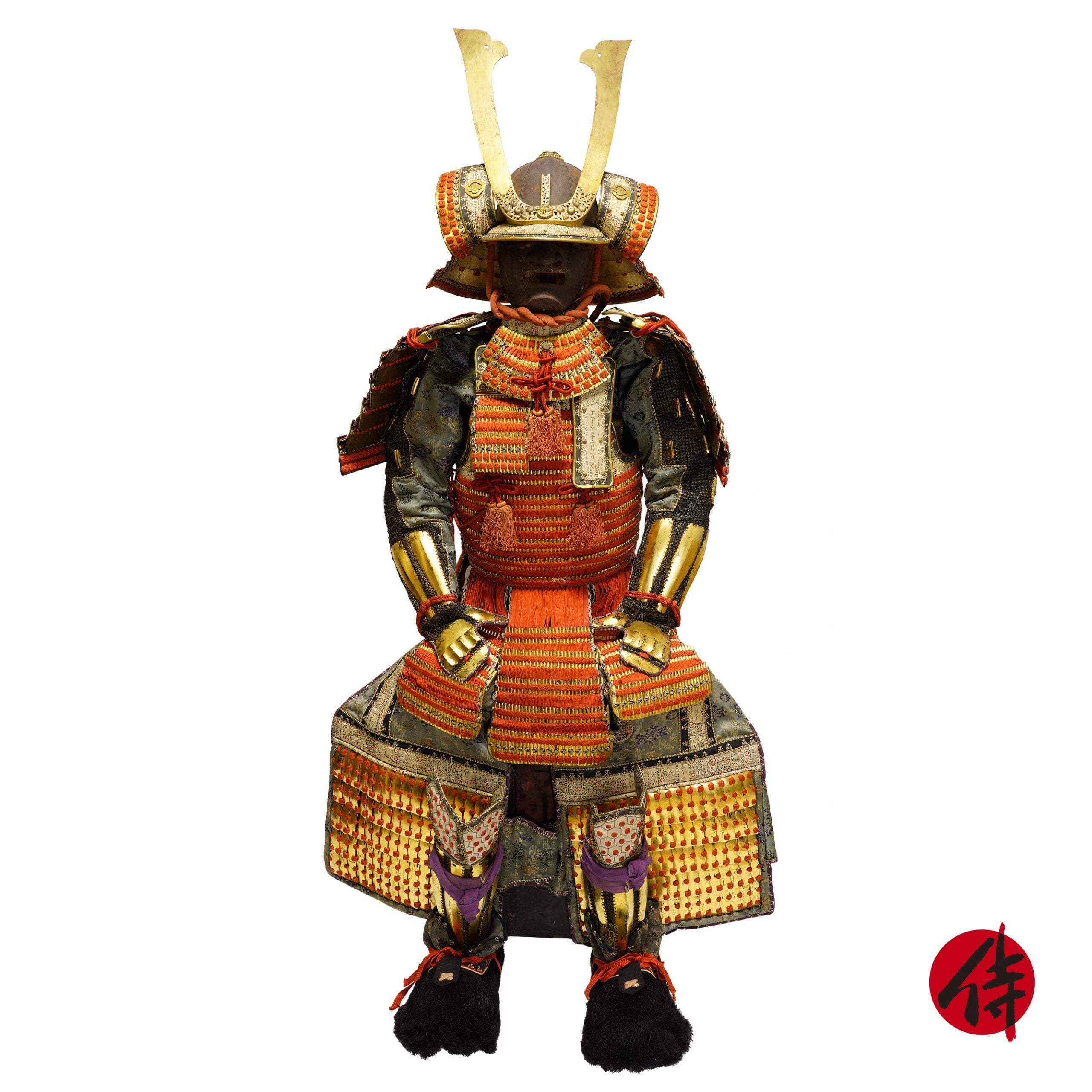
Sets were often donated to shrines as offerings or handed down within a family, which is why pieces like the National Treasure o-yoroi at Kasuga-taisha and the example dedicated to Itsukushima Shrine in the 12th century still exist. Many of these sets have had their lacing replaced over the centuries, but a few retain sections of original odoshi that still carry information about which clan first commissioned them.
The Tachibana Museum’s digital exhibit on its o-yoroi collection shows how the armor was worn and displayed, down to details like the kogusoku style samurai wore while resting between battles and the layered process of putting the armor on with an attendant’s help. Academic collections such as the Metropolitan Museum’s Japanese armor holdings have done similar work documenting individual pieces and their construction.
FAQs
What are the samurai armor ranks, in order?
There was no formal, named rank ladder built into the armor itself. Broadly, higher-ranking samurai fighting on horseback wore the ō-yoroi, a heavier and more decorated armor, while lower-ranking soldiers wore versions with fewer parts and no decorative markings. As tactics shifted, lighter dō-maru and haramaki armor became common across most ranks, since they were cheaper and easier to produce than a full o-yoroi.
How could you tell a samurai’s rank from his armor?
The strongest signal was the lacing. Higher-ranking officers had their armor’s plates laced tightly, while lower-ranking samurai wore looser lacing. Once loose lacing was adopted across all ranks for comfort and durability, the lacing pattern on the neck guard became the detail that still indicated status, along with the quality of materials used and the presence of decorative markings.
When did samurai start wearing o-yoroi armor?
O-yoroi first appeared in the mid-to-late Heian period, around the 10th century, and came into widespread use during the Genpei War in the 12th century. It stayed in active use into the Kamakura period before falling out of favor by the 15th century.
What was considered the most prestigious samurai armor?
O-yoroi is generally regarded as the most prestigious and resource-intensive early samurai armor, sometimes called “shikisho no yoroi,” or formal armor, and used in ceremonies as well as battle. It represented a substantial investment that only wealthier, higher-ranking samurai could commission. That protection came at a cost: its boxy, loose-fitting shape suited mounted archery but hindered the free sword motion close combat required.
Why did o-yoroi eventually fall out of use?
Warfare changed. As fighting shifted from mounted archery duels toward larger, ground-based battles fought with spears, polearms, and swords, o-yoroi’s rigid, boxy shape became a disadvantage rather than an asset. Lighter, more flexible armor like the dō-maru and haramaki took over on the battlefield, and by the Muromachi period o-yoroi survived mainly as a ceremonial and status piece rather than combat gear.
If the history of samurai rank and craftsmanship has you wanting to wear a piece of it, Kamicrew’s samurai-inspired apparel collection turns those same motifs into everyday streetwear.
Kamicrew Best Seller

Dont Touch Me Yokai Ukiyo-E Japanese T-Shirt
$25.49+
$29.99
(15% off)


Summer Vibes Salty Kawaii Japanese Hoodie
$44.99+
$49.99
(10% off)


Japanese Pin Horror 80s Retro Aesthetics T-Shirt
$25.49+
$29.99
(15% off)


El Gran Maja Japanese Kaiju T-Shirt
$25.49+
$29.99
(15% off)


Who Wants The Perfect Body Japan Capybara Kawaii Japanese Unisex Shirt
$25.49+
$29.99
(15% off)


Monster 8 Mask Vintage Animal Hoodie
$44.99+
$49.99
(10% off)


I Hate People Japanese Opossum Vintage Animal Hoodie
$44.99+
$49.99
(10% off)


I Got That Dog In Me Small Turtle Vintage Animal T-Shirt
$25.49+
$29.99
(15% off)

The Creation Of Cat Ukiyo-E Japanese T-Shirt
$25.49+
$29.99
(15% off)