

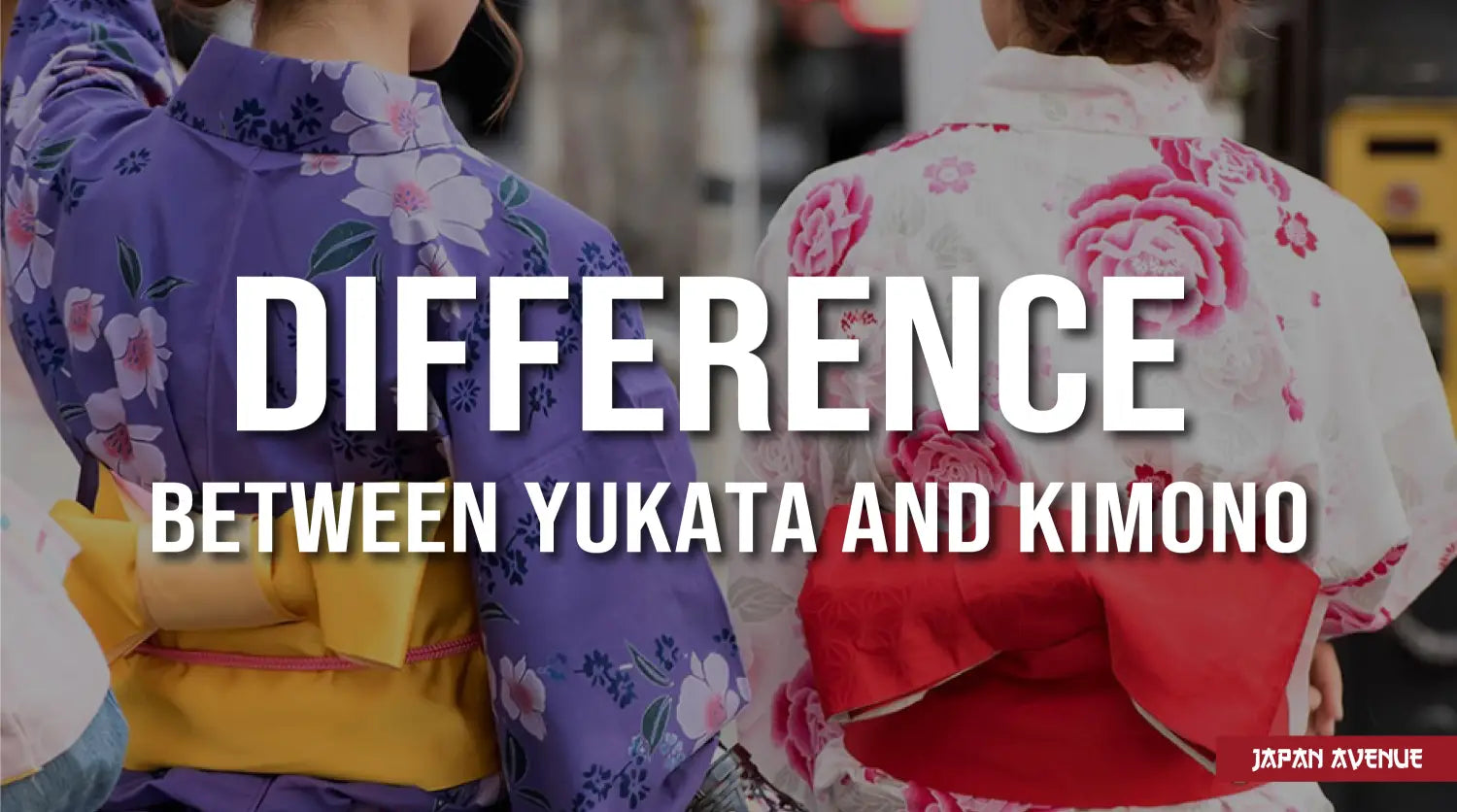
A yukata is a casual, single-layer cotton or linen garment made for hot weather, while a kimono is a formal, often silk, multi-layer garment worn across seasons and occasions; the difference comes down to fabric, layers, and formality. Both are T-shaped garments wrapped left over right and tied with an obi, which is why they can look nearly identical in a photo to anyone unfamiliar with the details. A yukata can be worn straight against the skin and washed without fuss, while a kimono keeps the lining, undergarment, and structure that make it suitable for weddings, tea ceremonies, and other formal events.
The Quick Verdict on Yukata vs Kimono
A yukata is a casual, single-layer cotton or linen garment built for hot weather and festivals; a kimono is a formal, often silk, multi-layer garment worn for weddings, tea ceremonies, and other structured occasions. The two differ in fabric, layers, and formality, not just appearance.
A yukata skips the inner lining, the nagajuban undergarment, and the more elaborate obi that a kimono carries, which is why it can be worn straight against the skin and washed without much fuss. A kimono keeps all of that structure, which is exactly what makes it suitable for weddings, tea ceremonies, and other occasions where a yukata would look underdressed. Once the occasion is known, choosing between the two is straightforward.
Yukata vs Kimono at a Glance
The table below compares yukata and kimono across seven attributes: fabric, layers, formality, typical occasion, obi, footwear, and price. A yukata is casual, unlined, and inexpensive; a kimono ranges from casual to highly formal and costs substantially more.
| Attribute | Kimono | Yukata |
|---|---|---|
| Fabric | Silk, sometimes wool or synthetic | Cotton, linen, or synthetic blends |
| Layers | Lined, worn over a nagajuban | Single, unlined layer |
| Formality | Casual to highly formal | Casual only |
| Typical occasion | Weddings, tea ceremonies, graduations | Summer festivals, fireworks, onsen towns |
| Obi | Wider, more elaborate silk obi | Narrow hanhaba obi |
| Footwear | Zori sandals with tabi socks | Geta sandals, worn barefoot |
| Typical price | $500 and up for new silk, less for vintage | Roughly $50 to $150 for cotton |
Materials, Layers, and Cost
Kimono are typically woven from silk and worn over a nagajuban lining; yukata are unlined cotton or linen built for heat. That material difference drives cost: a cotton yukata runs roughly $50 to $150, while a new silk kimono starts around $500 and can run into the thousands.
Materials are the easiest way to tell the two apart in person. Kimono are traditionally woven from silk, though cotton, wool, and synthetic versions exist for everyday wear. Yukata are built for heat, so cotton and linen dominate, occasionally paired with synthetic blends designed to wick moisture during a hot festival night. The name itself gives away the garment’s origin: yukata translates to “bathing cloth”, a nod to its start as a robe worn between soaks at a bathhouse, and that casual, wash-and-wear purpose is still baked into the fabric choice today. That fabric choice cascades into everything else: a kimono’s silk needs a protective nagajuban layer underneath and rarely gets machine washed, while a yukata’s cotton is meant to be worn straight against the skin and thrown in the wash the next morning.
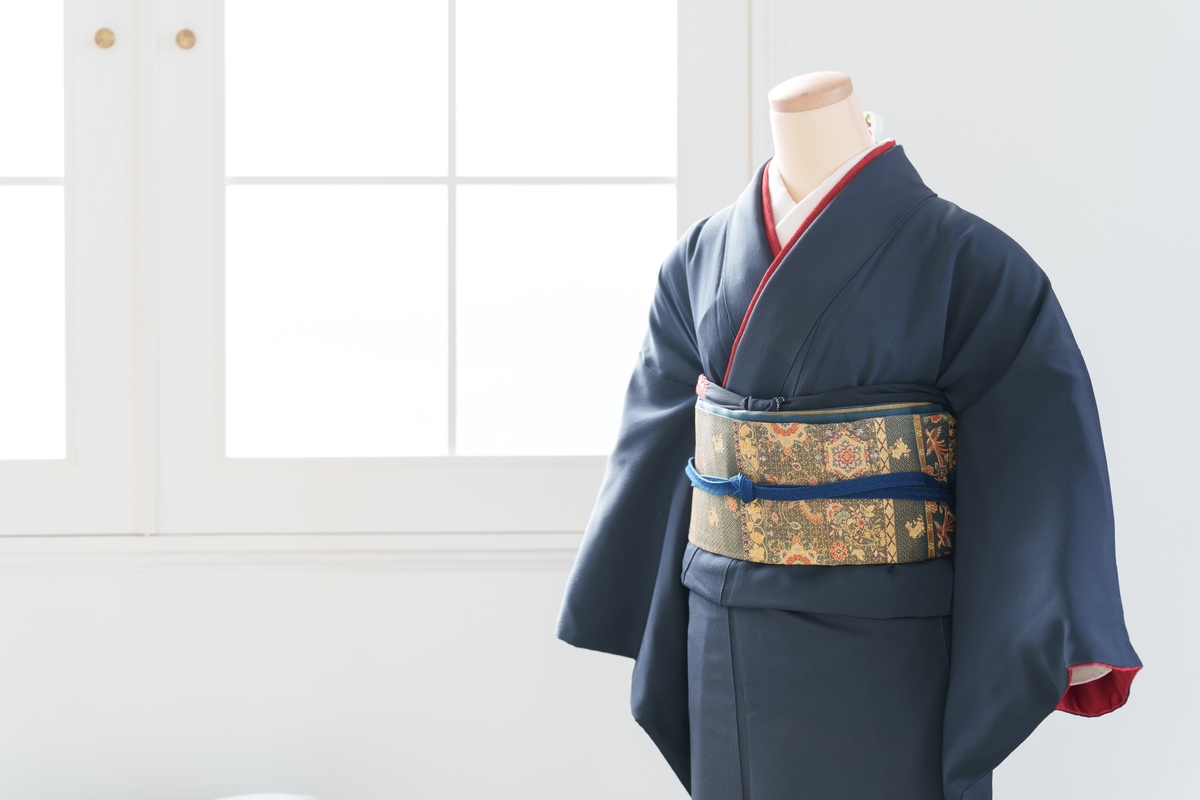
Cost follows the same logic. A casual cotton yukata typically runs somewhere between $50 and $150, though hand-dyed pieces can climb higher. A new silk kimono starts around $500 and the most elaborate, hand-embroidered pieces run into the thousands, which is part of why fine kimono get passed down as family heirlooms rather than replaced. Vintage kimono are the budget-friendly middle ground for anyone who wants the silk without the new-garment price tag.
When to Wear a Yukata vs a Kimono
A yukata suits casual, warm-weather settings such as summer festivals, fireworks displays, and onsen towns, and it is never appropriate for a wedding, graduation, or tea ceremony. A kimono covers the full formal range instead, from black kuro tomesode at weddings to the muted montsuki at formal events for men.
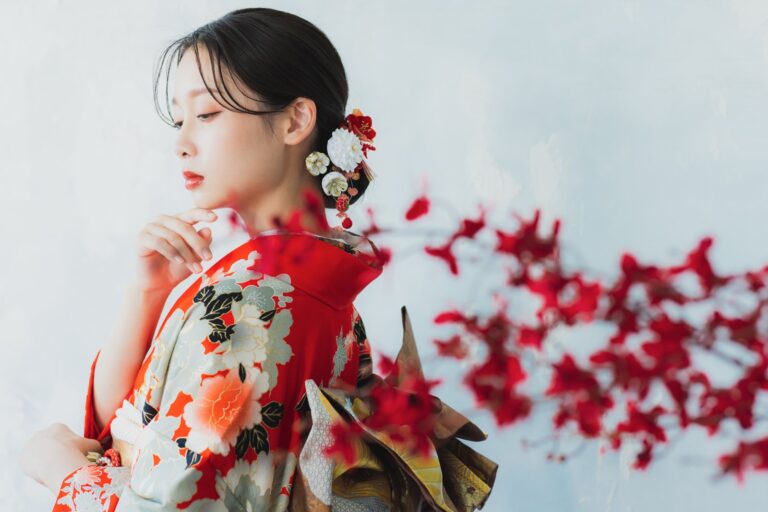
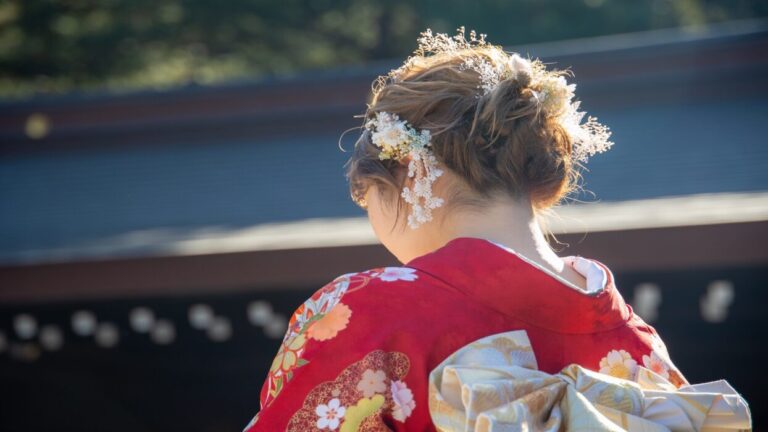
Formality is where the two genuinely diverge, not just fabric weight. A yukata belongs at summer festivals, fireworks displays, and onsen towns, where it doubles as the robe guests wear between soaks. It is never appropriate for a wedding, a graduation, or a tea ceremony, no matter how nice the print looks. A kimono covers that entire formal range instead: black kuro tomesode for married women at weddings, the brighter furisode for unmarried women at coming-of-age ceremonies, and the muted montsuki for men at formal events.
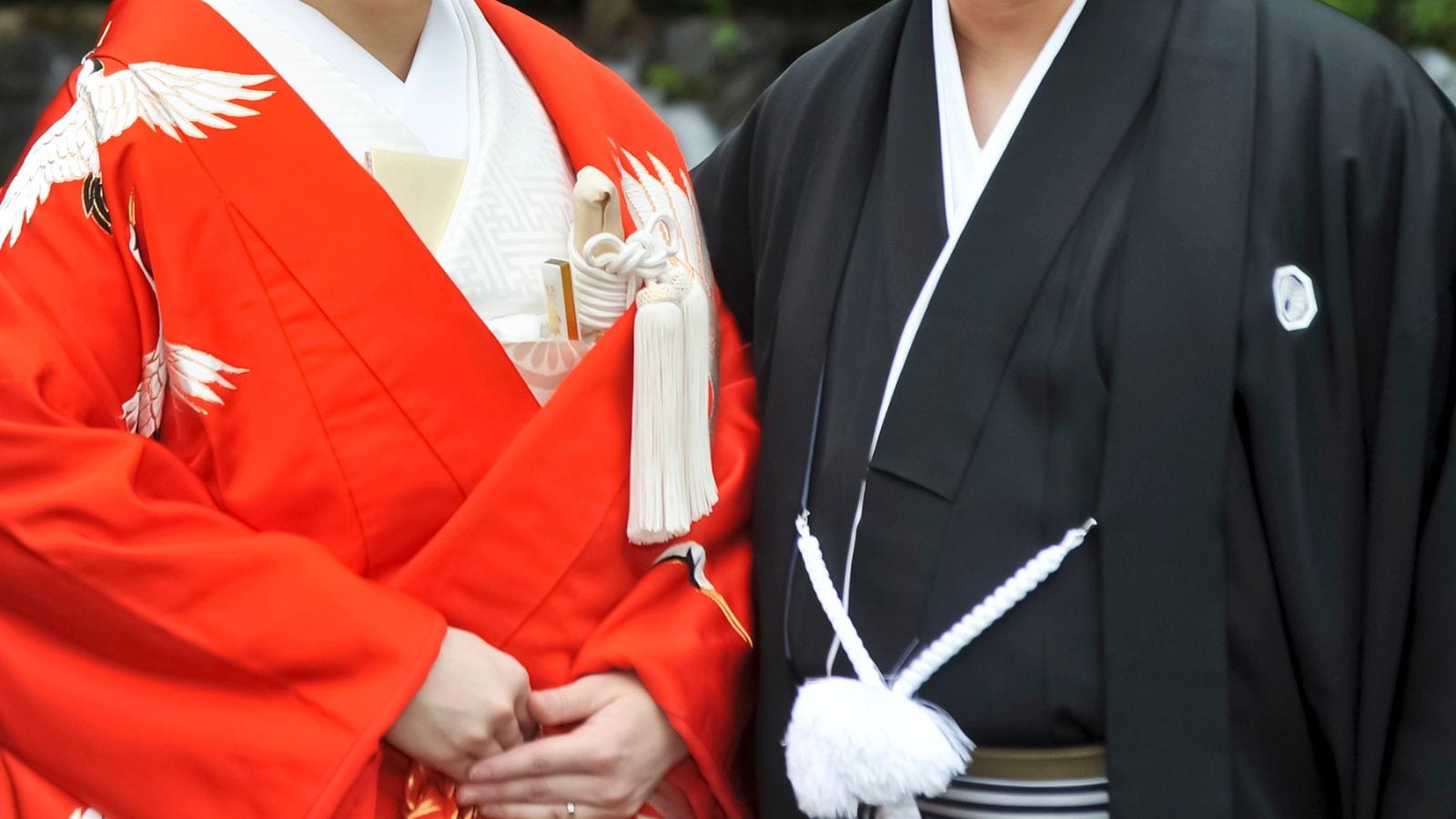
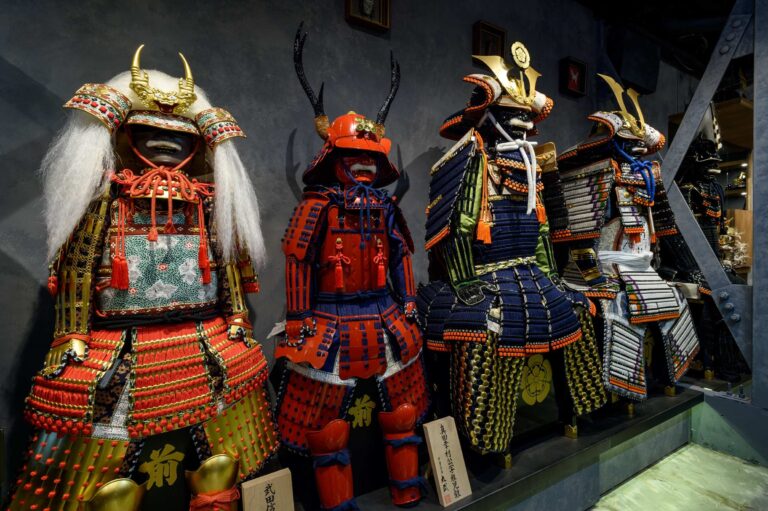
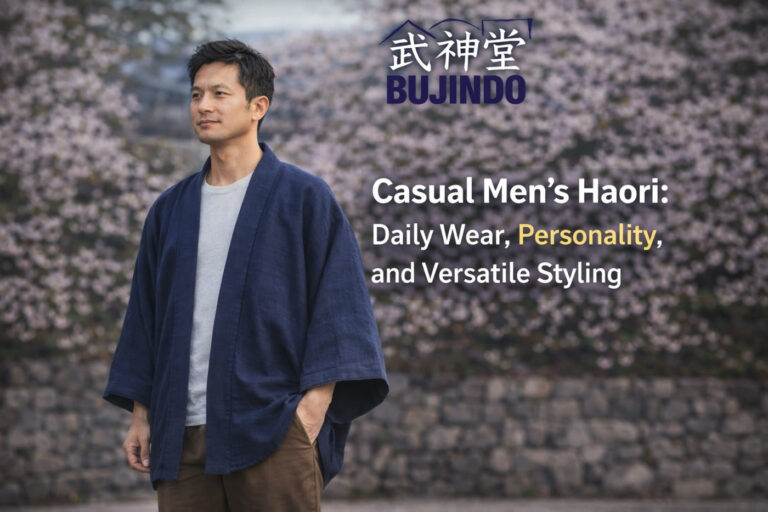
Men’s kimono lean toward muted navy, brown, and black tones, a restraint that carries through the rest of traditional Japanese clothing for men, where subdued color signals formality rather than personality. Women’s kimono move the other direction, from the vibrant furisode worn by unmarried women to the reserved iro-muji, and that range is really the starting point for understanding traditional Japanese clothing for women more broadly, since so much of it communicates age, marital status, or occasion through pattern alone. A haori jacket layered over either garment traces back to samurai clothes, worn originally as a practical outer layer before it became a mark of formality for men and women alike.
How to Choose Between a Yukata and a Kimono
A yukata is the right choice for hot, casual settings like summer festivals or hot springs; a kimono is the right choice for formal, cold, or ceremonial occasions. Footwear and obi width confirm the category: zori sandals and a wide obi indicate a kimono, while geta sandals and a narrow hanhaba obi indicate a yukata.
Start with two questions: where is it being worn, and how hot is it going to be? If the event is a summer festival or a night at a hot spring, a yukata is the fitting choice, both because of the heat and because a kimono would read as overdressed. If the occasion is formal, cold, or ceremonial, a kimono is the fitting choice instead. Outside of those two extremes, personal taste can take over.
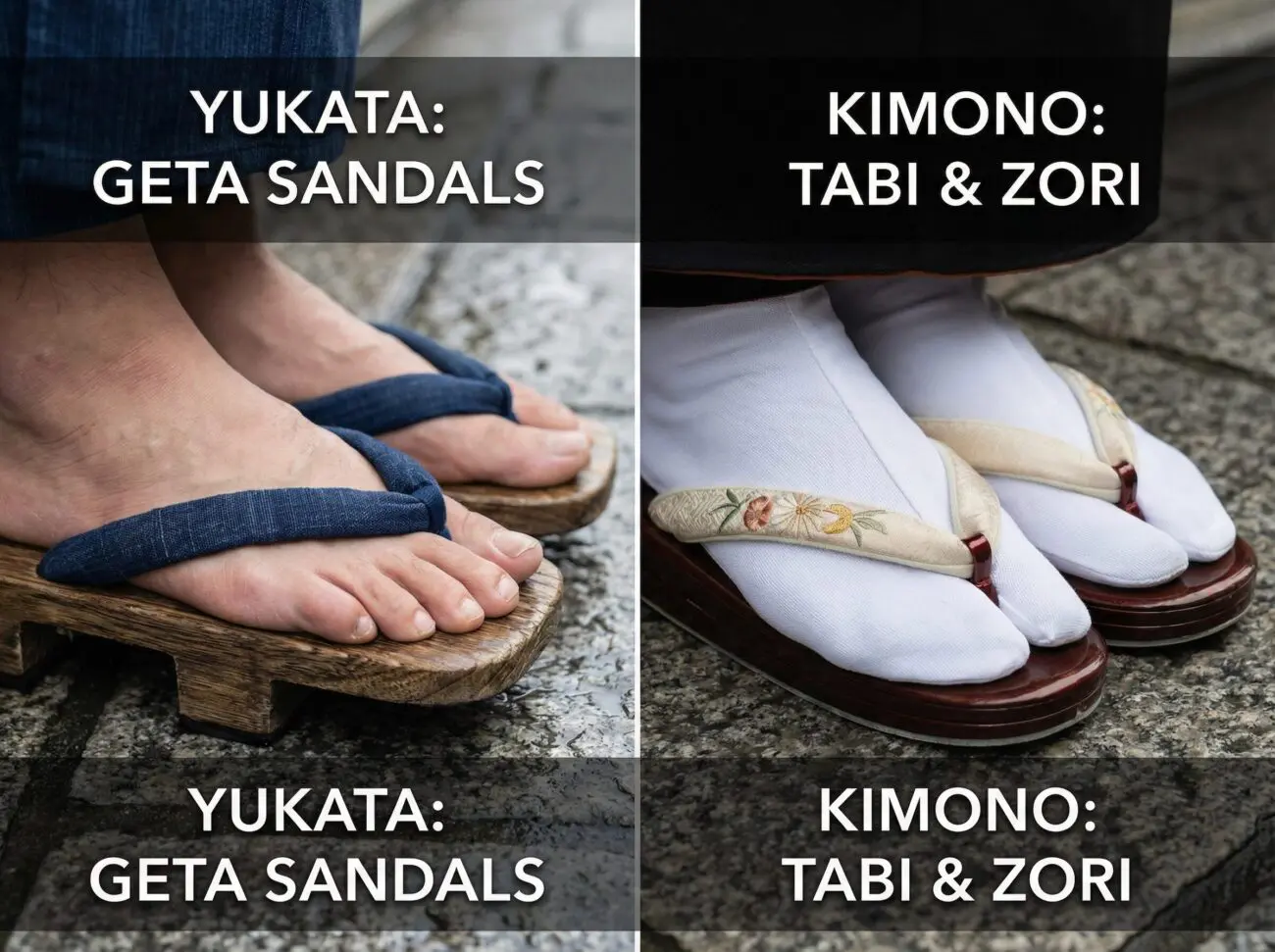
Accessories confirm the choice once it’s made. A kimono is finished with tabi socks and zori sandals, plus a wider, more structured obi that often needs a second person to tie correctly. A yukata pairs with wooden geta worn barefoot and a narrower hanhaba obi that ties easily on your own. Checking the obi width and the footwear a piece is meant to be worn with settles the category before checking the price tag.
FAQs
Can men wear both a yukata and a kimono?
Yes. Men wear yukata for summer festivals and casual outings, usually in muted or block-color prints, and switch to a formal kimono like the montsuki for weddings and ceremonies. In practice, men are seen in yukata far more often than in kimono.
Is it disrespectful for a foreigner to wear a yukata?
No, wearing a yukata as a visitor is generally welcomed, especially at summer festivals, ryokan stays, and hot spring towns where it’s the expected dress. The one thing to watch is formality: a yukata is casual wear, so it isn’t the right choice for a ceremony or a wedding regardless of who is wearing it.
What do you wear underneath a yukata?
Since a yukata is a single, unlined layer worn straight against the skin, most people wear a simple cotton slip or undergarment rather than the nagajuban required under a kimono. Men typically wear a lightweight cotton undershirt for the same reason.
What is a men’s formal kimono called?
The most common formal men’s kimono is the montsuki, a black, often silk garment worn over hakama trousers for weddings and other ceremonial events.
Which costs more, a yukata or a kimono?
A kimono costs more in almost every case. Cotton yukata generally sell for $50 to $150, while a new silk kimono starts around $500 and can run into the thousands for hand-embroidered, heirloom-quality pieces.
Whichever one fits the occasion, Kamicrew’s ukiyo-e inspired shirts carry the same traditional Japanese color palettes and motifs into everyday streetwear.
Kamicrew Best Seller

Dont Touch Me Yokai Ukiyo-E Japanese T-Shirt
$25.49+
$29.99
(15% off)


Summer Vibes Salty Kawaii Japanese Hoodie
$44.99+
$49.99
(10% off)


Japanese Pin Horror 80s Retro Aesthetics T-Shirt
$25.49+
$29.99
(15% off)


El Gran Maja Japanese Kaiju T-Shirt
$25.49+
$29.99
(15% off)


Who Wants The Perfect Body Japan Capybara Kawaii Japanese Unisex Shirt
$25.49+
$29.99
(15% off)


Monster 8 Mask Vintage Animal Hoodie
$44.99+
$49.99
(10% off)


I Hate People Japanese Opossum Vintage Animal Hoodie
$44.99+
$49.99
(10% off)


I Got That Dog In Me Small Turtle Vintage Animal T-Shirt
$25.49+
$29.99
(15% off)

The Creation Of Cat Ukiyo-E Japanese T-Shirt
$25.49+
$29.99
(15% off)