

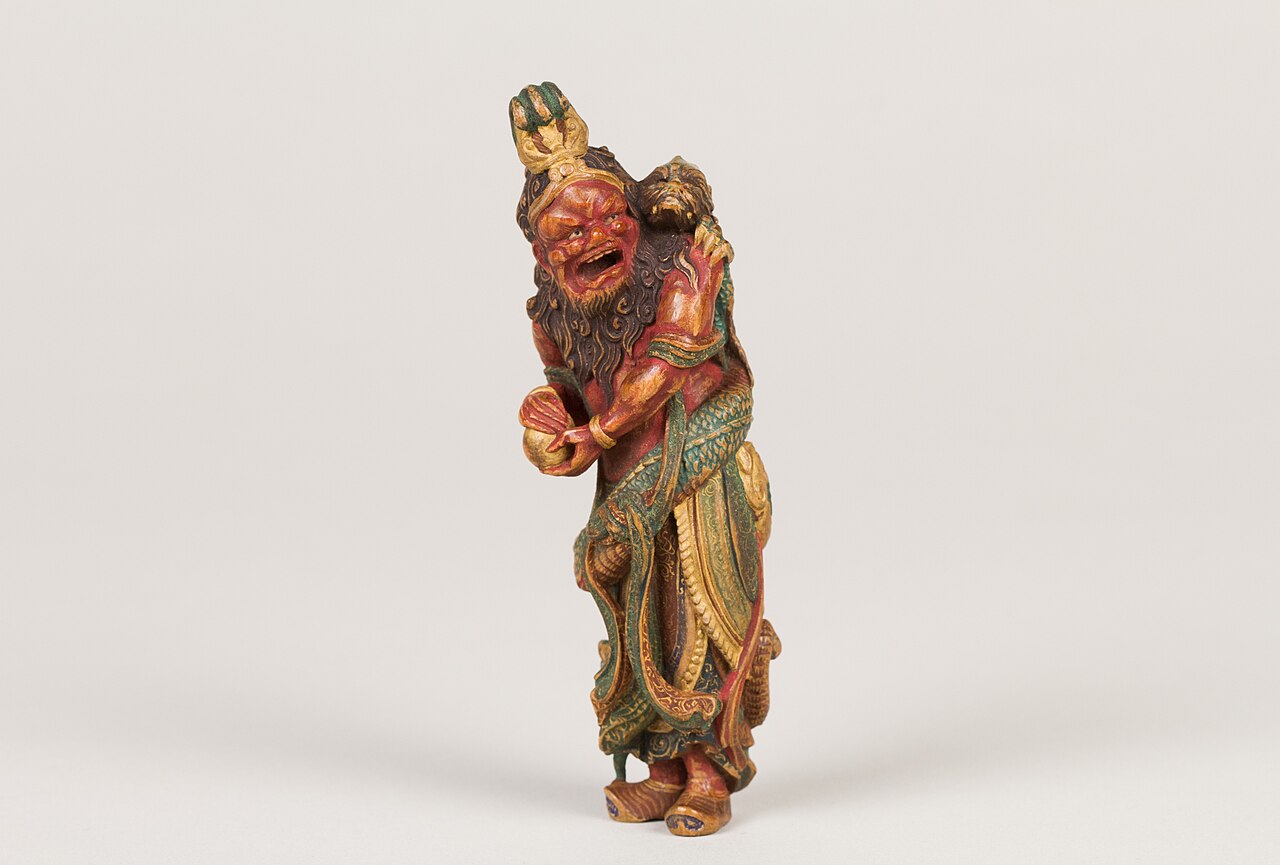
Ryujin means “dragon god.” The name is written 龍神 and read ryūjin, joining 龍 (ryū, dragon) to 神 (jin, god or kami). The word carries two senses in Japanese. It can describe any dragon worshipped as a local deity, and used as a proper title it names one specific figure: the dragon god of the sea, who rules from a palace beneath the water. The same three syllables also survive today as a personal name, as two places in Wakayama Prefecture, and as the stage name of a South Korean rapper.
What Ryujin means, character by character
Ryujin is written 龍神, a compound of exactly two characters: 龍 (ryū), meaning dragon, and 神 (jin), meaning god or kami. Read together they translate as dragon god, which is the translation folklore references give for the term. The dragon character also has a simplified form, 竜, and both spellings carry the same meaning.
龍 is the character for a dragon, the East Asian serpentine kind rather than the winged, fire-breathing sort. 神 is the word for a god, and in Japanese religious usage specifically a kami, a divine presence attached to a place or a natural force.
Because both dragon characters are in use, a shrine sign, a family name, and a manga title may each pick a different one without changing the meaning. The reading stays ryūjin, usually written Ryujin or Ryuujin once the long vowel drops out of romanization.
Ryu, the dragon inside the name
Ryū (龍) is the Japanese word for a dragon, and it supplies half of Ryujin’s meaning. The same ryu reading belongs to several unrelated characters, including 隆, which carries a sense of noble or prosperous, and 流, which means flow. A name pronounced Ryu therefore tells you very little until you see which character was chosen.
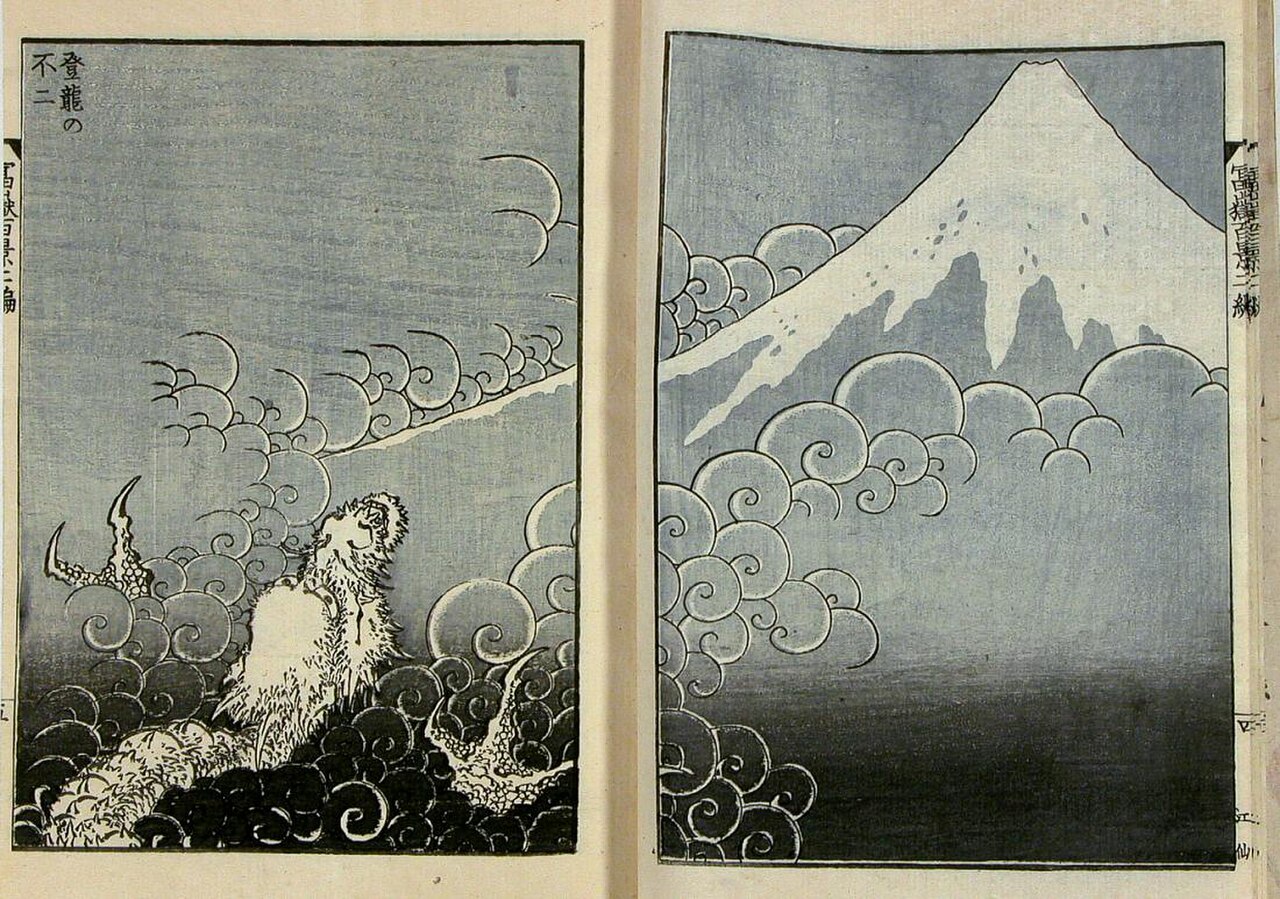
Ryū also stands on its own as a masculine given name and as a family name, which is why it turns up far more often in modern Japan than the full compound does.
For 龍神 the choice is unambiguous. The dragon character is doing the work, and the god character fixes it as an object of worship rather than a beast in a story.
A title for many dragons, and a name for one
Ryujin functions both as a category and as a proper title. As a category it covers any dragon venerated as a local kami that rules a body of water, a group that includes the hachidai ryūō, Zennyō Ryūō, Kuzuryū, and Seiryū. As a proper title it names one figure: the dragon god of the sea, identified in Shinto tradition as Watatsumi, a tutelary kami of the sea, and in Buddhist tradition as Shagara Ryūō.
The broader sense matters because these dragons act as tutelary deities of the waters they inhabit, so veneration at a specific lake, river, or stretch of coast is enough for the title to apply.
The narrow sense is the one most people mean when they search the term, and the sea god’s role as the dragon god of the sea is a longer story than the etymology alone can hold.
What the name implies about power over water
The ryujin label marks a dragon as a water deity with a working role in human affairs. Ryujin live in caves, rivers, lakes, and the ocean, are worshipped as gods of agriculture and fishing and as guardians of the land, and are credited with control over tides, rain, and floods. The landforms they inhabit tend to have a shrine somewhere nearby.
That is the work the 神 half of the compound is doing. It does not describe the animal, it describes a relationship. A community that depends on a stretch of water addresses the dragon in it as a kami, and the water is the reason the title fits at all.
There is a moral edge to the word too. Dragons in these stories can be benevolent kami or destructive forces, and the term ryujin attaches mainly to the ones that help people, or that were pacified and promised to stop doing harm. Calling a dragon a ryujin is closer to a statement about its standing in a community than a species label.
Ryujin as a personal name
Ryujin is used in Japan as a boy’s given name, and the meaning shifts with the kanji chosen rather than staying fixed at dragon god. A Japanese name database lists thirteen kanji spellings read Ryujin, most of them pairing a dragon character with a human quality such as person (人), compassion (仁), vassal (臣), or heart (心).
| Kanji spelling | Elements | Sense of the name |
|---|---|---|
| 龍神 | dragon + god | dragon god, the mythological compound |
| 龍人 / 竜人 | dragon + person | dragon person |
| 龍仁 / 竜仁 | dragon + compassion | compassionate dragon |
| 龍臣 / 竜臣 | dragon + vassal | dragon retainer |
| 隆仁 / 隆人 | high or vigorous + compassion or person | no dragon character at all |
| 琉仁 / 琉人 | lapis lazuli + compassion or person | no dragon character at all |
| 龍心 | dragon + heart | dragon-hearted |
The same database notes that 龍 can stand for an outstanding person or a hero, which is the sense parents are usually reaching for. A boy named 龍人 is not being called a dragon god. He is being called something closer to a dragon-hearted person.
Is Ryujin a Japanese or a Korean name?
Ryujin is Japanese as a mythological term and frequently Korean as a personal name. The compound 龍神 and the sea deity it names both belong to Japanese religious tradition. The two best known living bearers of the name are South Korean, which is where the confusion starts.
Those two are Ryujin, the rapper born in 2001 who is a member of the girl group Itzy, and Ryu Jin, the actor born in 1972. Ryu also exists as a Korean surname, so Ryu Jin in Korean is normally a surname followed by a given name rather than the single Japanese word for dragon god.
Both answers are true in their own frame. As a mythological term, Ryujin is Japanese. As a name attached to a person you have heard of, it is more likely to be Korean.
Places, people, and groups that carry the name
Five well known bearers share the name Ryujin: two places in Wakayama Prefecture, two South Korean entertainers, and one Japanese band. None of them is the sea deity, and only the Wakayama place names sit inside the same religious tradition as the word itself.
| Name | Type | Detail |
|---|---|---|
| Ryūjin, Wakayama | Place | A small village merged into the city of Tanabe in 2005 |
| Mount Ryūjin | Place | The highest point in Wakayama Prefecture |
| Ryujin | Musician | South Korean rapper born in 2001, a member of Itzy |
| Ryu Jin | Actor | South Korean actor born in 1972 |
| Ryujin | Band | Japanese metal band, formerly known as Gyze |
Why the name still shows up on clothing
Ryujin imagery on modern apparel descends from centuries of Japanese religious art rather than from generic fantasy dragons. Dragons were rendered at scale in Japanese sacred spaces long before anyone printed one on a hoodie: coiled across temple ceilings, carved into shrine beams, and worked into netsuke small enough to hold in a palm, among them a wooden Ryujin carving held by the Metropolitan Museum of Art and dated to the late 18th or early 19th century.
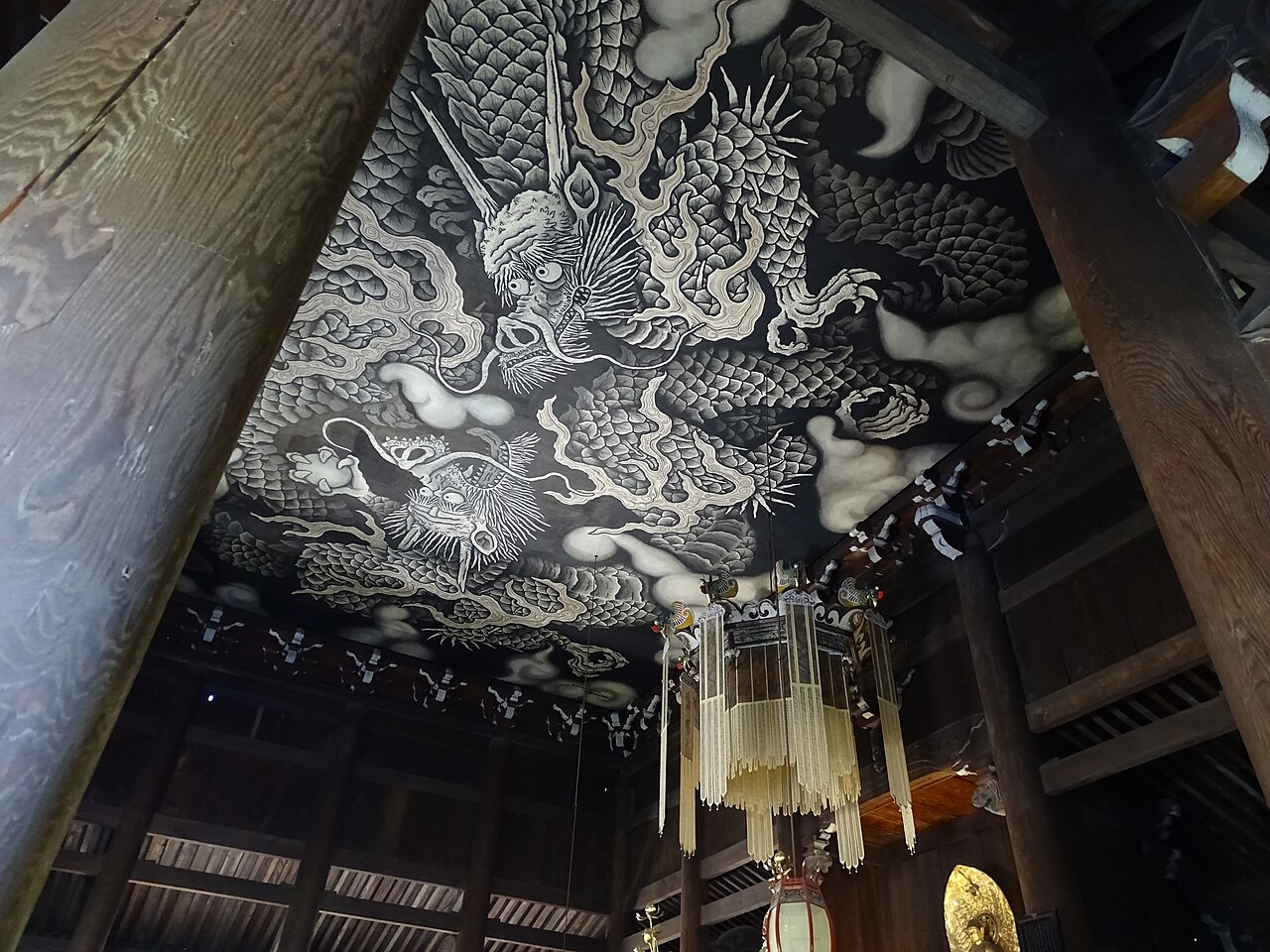
Those images are the visual vocabulary that modern dragon apparel borrows from, which is why the coils, scales, and cloud forms on a Japanese graphic tee read as Japanese rather than generic.
Labelling a design ryujin rather than simply “dragon” is a specific claim. It places the motif in water, in weather, and in worship, alongside the other figures of Japanese folklore whose meanings are just as load-bearing. Anyone who has looked into what yokai symbolize will recognize the pattern, since the creature is rarely just a creature.
If a sea dragon carries the meaning you want to wear, Kamicrew’s Japanese dragon shirts are built around motifs like this one.
FAQs
What does the name Ryujin mean?
Ryujin means dragon god. It combines 龍, the character for dragon, with 神, the character for a god or kami. As a personal name the meaning shifts with the kanji chosen, and spellings such as 龍人 read closer to dragon person.
How do you pronounce Ryujin?
Ryujin is read ryūjin, with a long vowel on the first syllable, roughly ryoo jin. English romanization normally drops the macron, which is why the name appears written as Ryujin or Ryuujin outside Japanese text. The spelling of the dragon character, 龍 or 竜, does not change the pronunciation.
What is Ryujin the god of?
Ryujin is the Japanese dragon god of the sea. Used more broadly, ryujin are worshipped as gods of agriculture and fishing and as guardians of the land, and are credited with control over tides, rain, and floods.
Is Ryujin a Japanese or a Korean name?
The word itself is Japanese and comes from Japanese mythology. It also appears in Korea, where Ryu functions as a surname, so Korean bearers such as the actor Ryu Jin carry it as a surname plus given name rather than as the Japanese compound.
Who is Ryujin from Itzy?
Ryujin is a South Korean rapper born in 2001 and a member of the girl group Itzy. She shares the name with the Japanese sea deity but is unrelated to it.
Is Ryujin the same as Watatsumi?
In Shinto tradition, yes. When Ryujin is used as a proper title for the dragon god of the sea, that god is Watatsumi in Shinto and Shagara Ryūō in Buddhist tradition. Used more loosely, ryujin can mean any dragon worshipped as a local kami.
Kamicrew Best Seller

Dont Touch Me Yokai Ukiyo-E Japanese T-Shirt
$25.49+
$29.99
(15% off)


Summer Vibes Salty Kawaii Japanese Hoodie
$44.99+
$49.99
(10% off)


Japanese Pin Horror 80s Retro Aesthetics T-Shirt
$25.49+
$29.99
(15% off)


El Gran Maja Japanese Kaiju T-Shirt
$25.49+
$29.99
(15% off)


Who Wants The Perfect Body Japan Capybara Kawaii Japanese Unisex Shirt
$25.49+
$29.99
(15% off)


Monster 8 Mask Vintage Animal Hoodie
$44.99+
$49.99
(10% off)


I Hate People Japanese Opossum Vintage Animal Hoodie
$44.99+
$49.99
(10% off)


I Got That Dog In Me Small Turtle Vintage Animal T-Shirt
$25.49+
$29.99
(15% off)

The Creation Of Cat Ukiyo-E Japanese T-Shirt
$25.49+
$29.99
(15% off)