
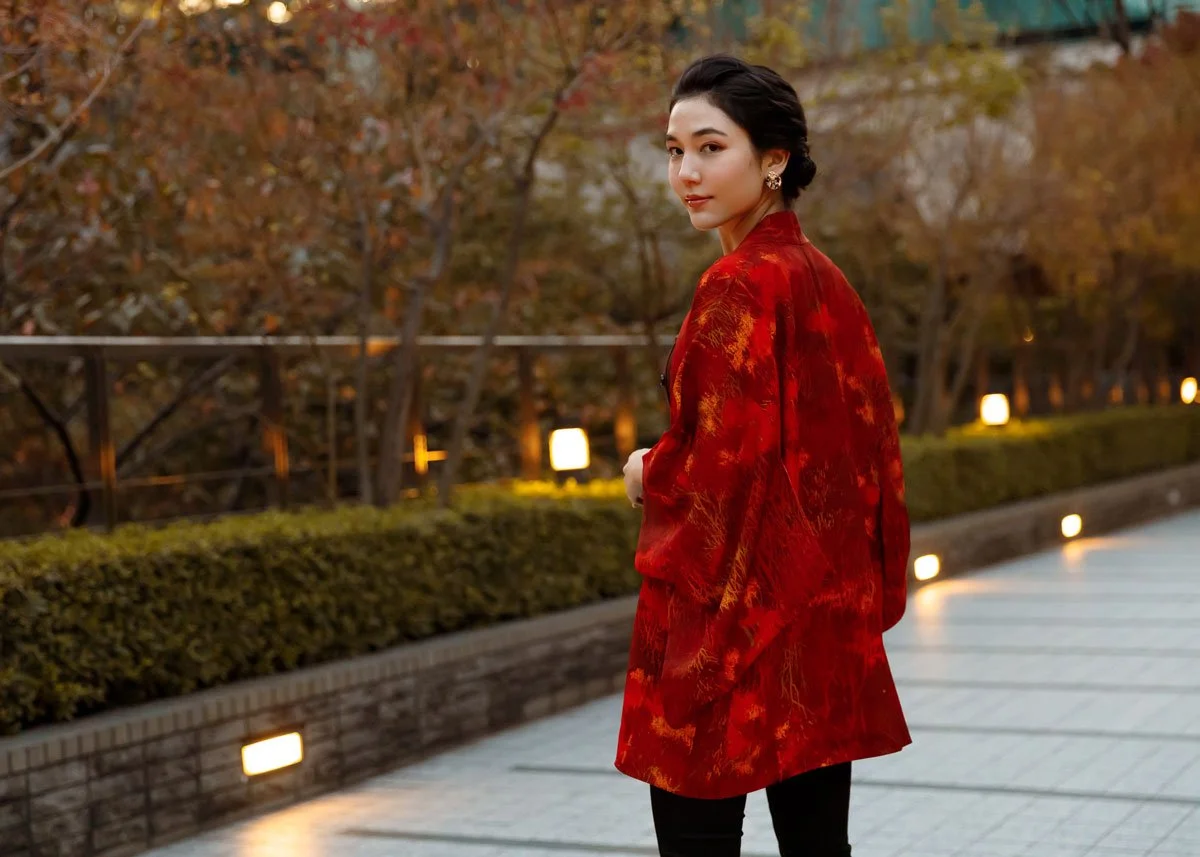
Traditionally, Japanese people do not wear a Western style shirt under a haori. A haori goes on as the outermost layer over a full kimono, and the piece worn directly against the skin is a juban, a plain under kimono that shows only at the neck and sleeve openings once the outfit is dressed. In everyday modern fashion, that layering has loosened considerably. It is now common to see a haori worn straight over a plain T-shirt, a simple shirt, or jeans instead of a full kimono ensemble.
What a Haori Is and What Traditionally Goes Underneath
The traditional order runs juban first against the skin, then the kimono, then the haori on top last; a Western style shirt has never been part of that layering.
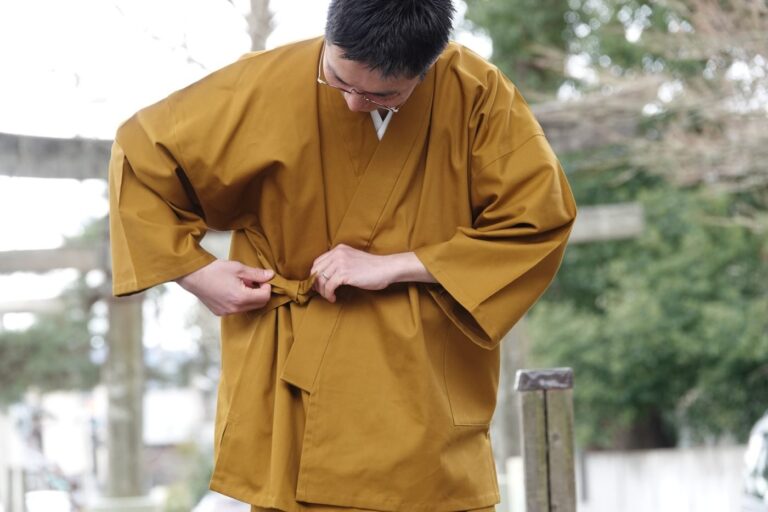
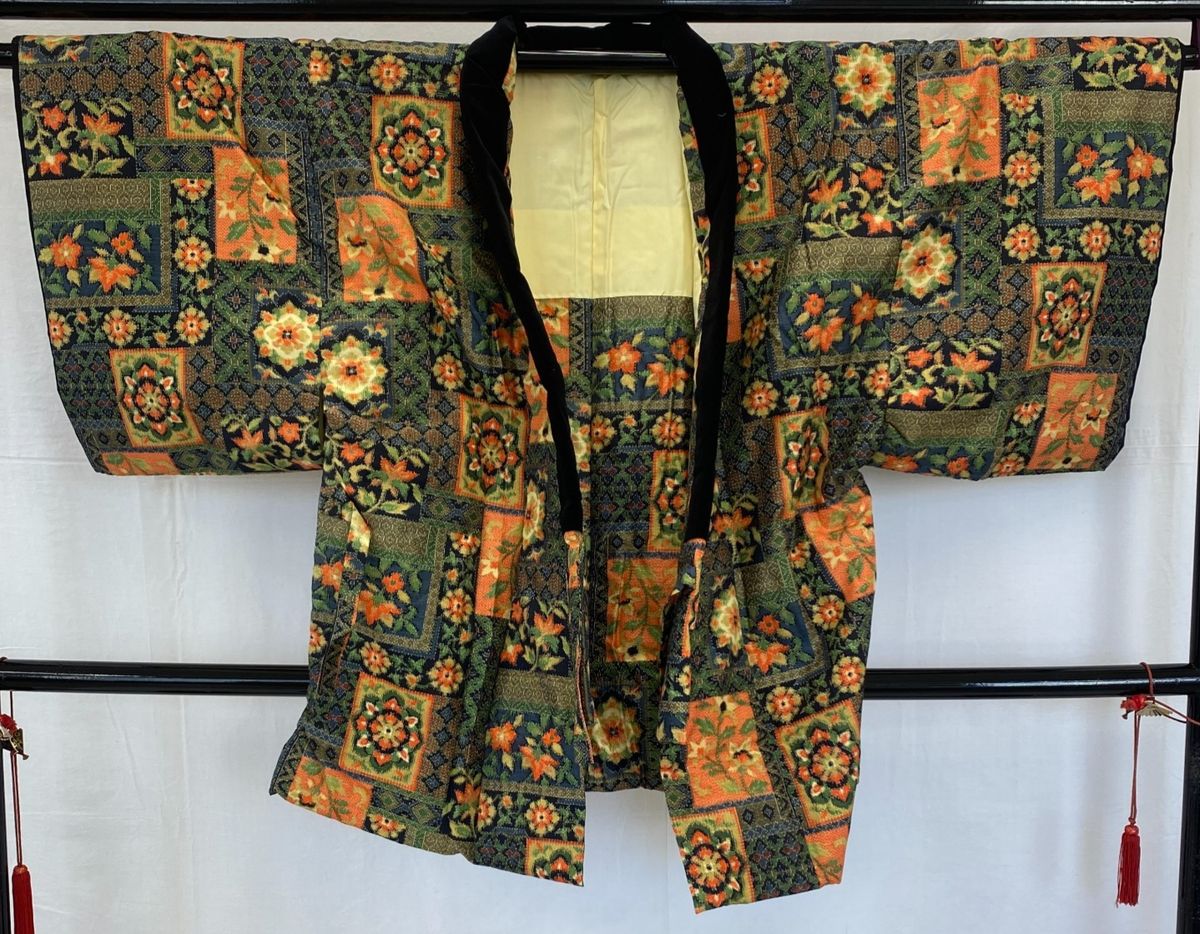
According to Wikipedia’s entry on the garment, it resembles a shortened kimono, but without the overlapping front panels a kimono has, and it carries a thinner collar along with two small triangular panels sewn into the side seams. The front is held together with a pair of cords called haori himo, tied to small loops sewn inside the garment rather than to buttons or a zipper.
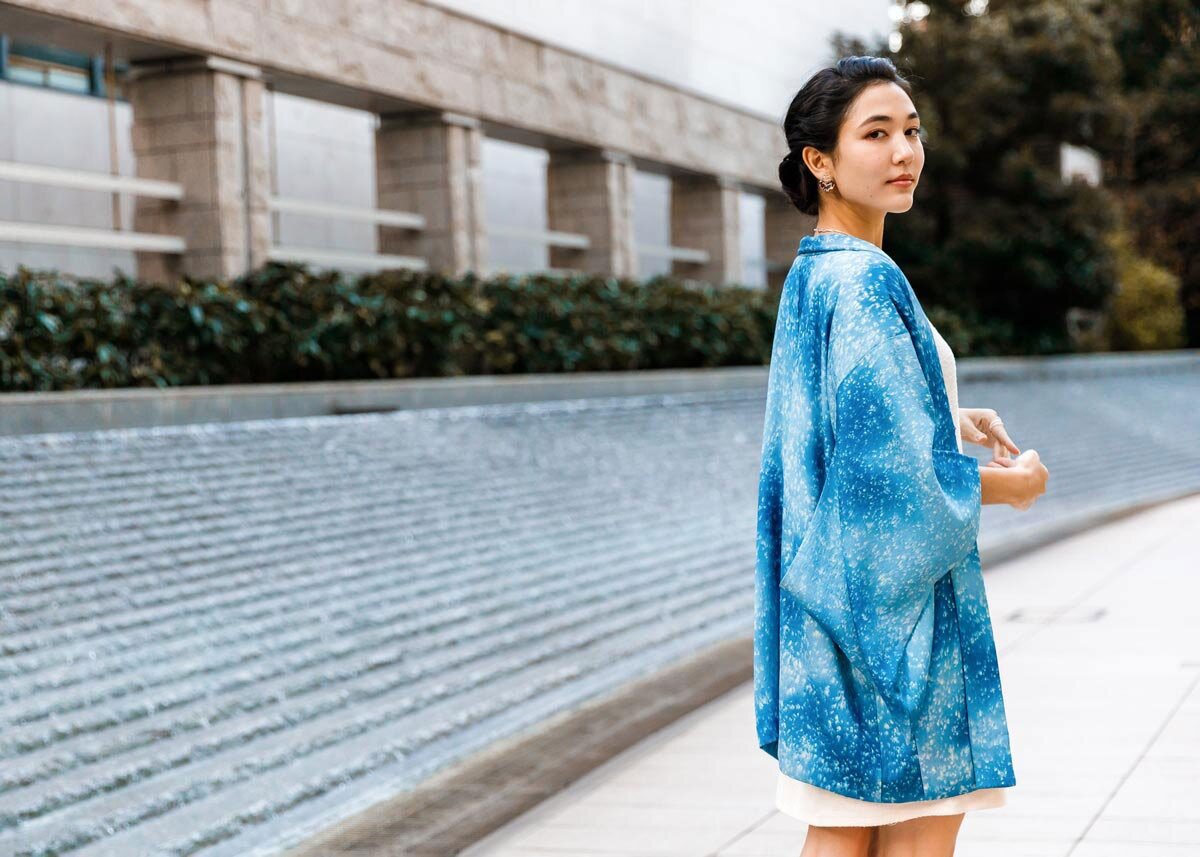
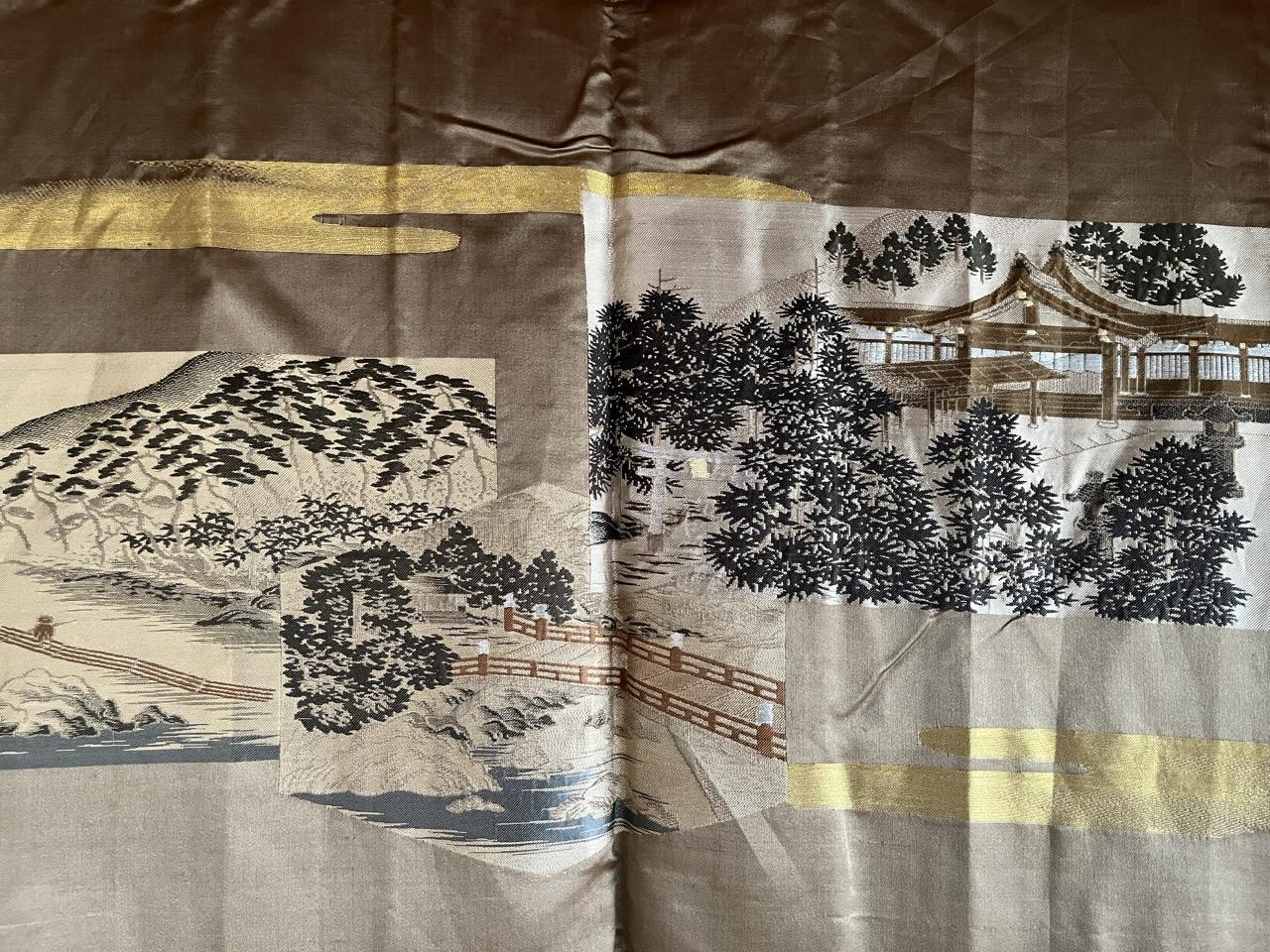
The haori also carries some real history behind why it looks the way it does. During the Edo period, merchant class families in Japan had grown wealthy but were still restricted by sumptuary laws that limited how openly they could display that wealth through clothing. Men from that class responded by wearing haori with plain, understated exteriors and reserving the lavish embroidery or painted designs for the lining, a habit that still shows up in men’s traditional Japanese clothing today. Haori were worn almost exclusively by men until the early 1800s, when geisha in the Fukagawa district of Tokyo began wearing them over their own kimono. The style caught on, and by the 1930s a haori had become an ordinary part of women’s kimono styling as well. In modern day Japan, both men and women wear haori.
Types of Haori and How Each One Is Worn
Haori are categorized by fabric and occasion: cotton or polyester for everyday wear, tsumugi for a textured, hand-woven look worn daily or at cultural events, formal black silk montsuki for ceremonies, lightweight summer haori for warm weather, and jinbaori, a battlefield vest historical samurai wore over armor rather than a kimono.
- Cotton or polyester haori: the easy care, everyday option, worn for relaxed outings, ryokan stays, or around the house, usually paired with plain trousers and a simple top.
- Tsumugi haori: a textured, hand woven fabric with an understated, grounded look, worn for daily wear or cultural events without reaching full formal dress.
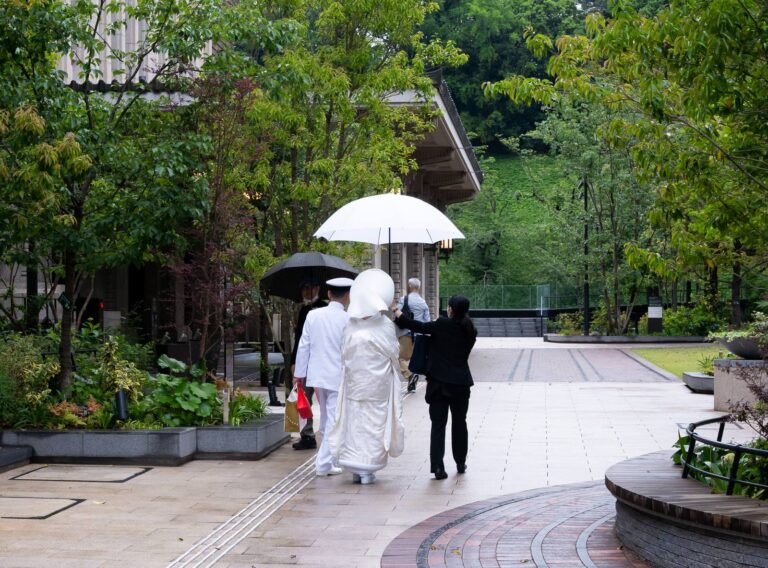
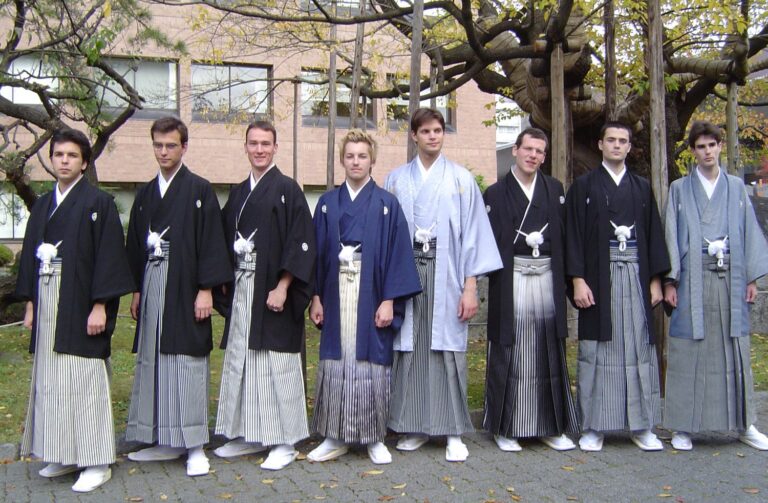
- Formal black silk haori (montsuki): a black silk haori marked with one or more family crests, called kamon, worn over a kimono and hakama for ceremonies and formal gatherings.
- Summer haori: made from lighter, more breathable fabric so the extra layer does not feel heavy in warm weather.
- Jinbaori: a battlefield over vest that historical samurai wore over their armor rather than over a kimono, a very different use of the same word than the everyday haori.
Wearing a Haori With Modern Clothes
Outside formal kimono dressing, there is no single correct way to wear a haori: common modern pairings include a T-shirt and jeans, a simple dress, or loungewear.
It also works over an all-black outfit or with a belt added for a more defined silhouette. What matters most is that the wearer feels comfortable and connected to the textile, whether that is for an everyday outing or a special occasion like travel or photography.
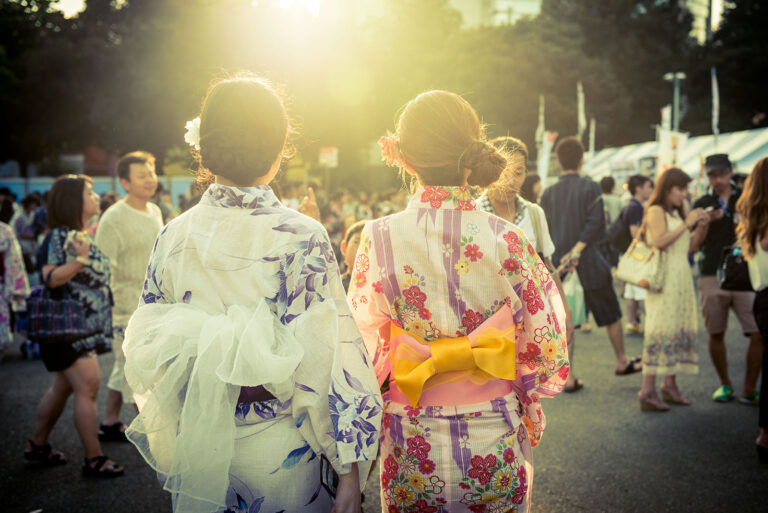
A reliable modern formula keeps the base outfit simple and lets the haori do the visual work: a plain T-shirt, henley, or minimalist shirt on top, straight trousers, wide pants, or dark denim on the bottom, and simple sneakers or leather shoes. At a ryokan or onsen, a haori is commonly worn over a yukata or loungewear instead of a full kimono, kept loosely tied rather than pulled closed like a robe. On colder days, some people reach for a padded hanten instead, since a haori’s thin, unlined layer trades warmth for a lighter drape.
FAQs
What do people traditionally wear underneath a haori?
In traditional dressing, a juban goes on first against the skin, a full kimono goes over the juban, and the haori goes on last as the outer jacket. A Western style shirt is not part of that traditional layering.
Is it okay to wear a haori without a kimono?
Yes. Today it is common to wear a haori over Western clothes instead of a full kimono. Choosing a simple base outfit and letting the haori provide the structure and pattern keeps the look clean.
Can someone outside Japan wear a haori respectfully?
Yes, plenty of people outside Japan wear haori as everyday jackets, and sellers of vintage haori describe being glad to see the garment enjoyed naturally and personally by people abroad. Learning the traditional dressing order and handling the fabric with care are simple ways to wear it thoughtfully.
Is it fine to wear a haori casually?
It depends on the haori. A cotton or polyester haori is made for relaxed, everyday wear, while a formal black silk montsuki haori is reserved for ceremonies and formal occasions. The fabric and finish usually signal which category a given haori falls into.
If a haori has you rethinking how you layer traditional pieces into your own wardrobe, Kamicrew’s ukiyo-e inspired shirts are built for exactly that kind of everyday styling.
Kamicrew Best Seller

Dont Touch Me Yokai Ukiyo-E Japanese T-Shirt
$25.49+
$29.99
(15% off)


Summer Vibes Salty Kawaii Japanese Hoodie
$44.99+
$49.99
(10% off)


Japanese Pin Horror 80s Retro Aesthetics T-Shirt
$25.49+
$29.99
(15% off)


El Gran Maja Japanese Kaiju T-Shirt
$25.49+
$29.99
(15% off)


Who Wants The Perfect Body Japan Capybara Kawaii Japanese Unisex Shirt
$25.49+
$29.99
(15% off)


Monster 8 Mask Vintage Animal Hoodie
$44.99+
$49.99
(10% off)


I Hate People Japanese Opossum Vintage Animal Hoodie
$44.99+
$49.99
(10% off)


I Got That Dog In Me Small Turtle Vintage Animal T-Shirt
$25.49+
$29.99
(15% off)

The Creation Of Cat Ukiyo-E Japanese T-Shirt
$25.49+
$29.99
(15% off)