
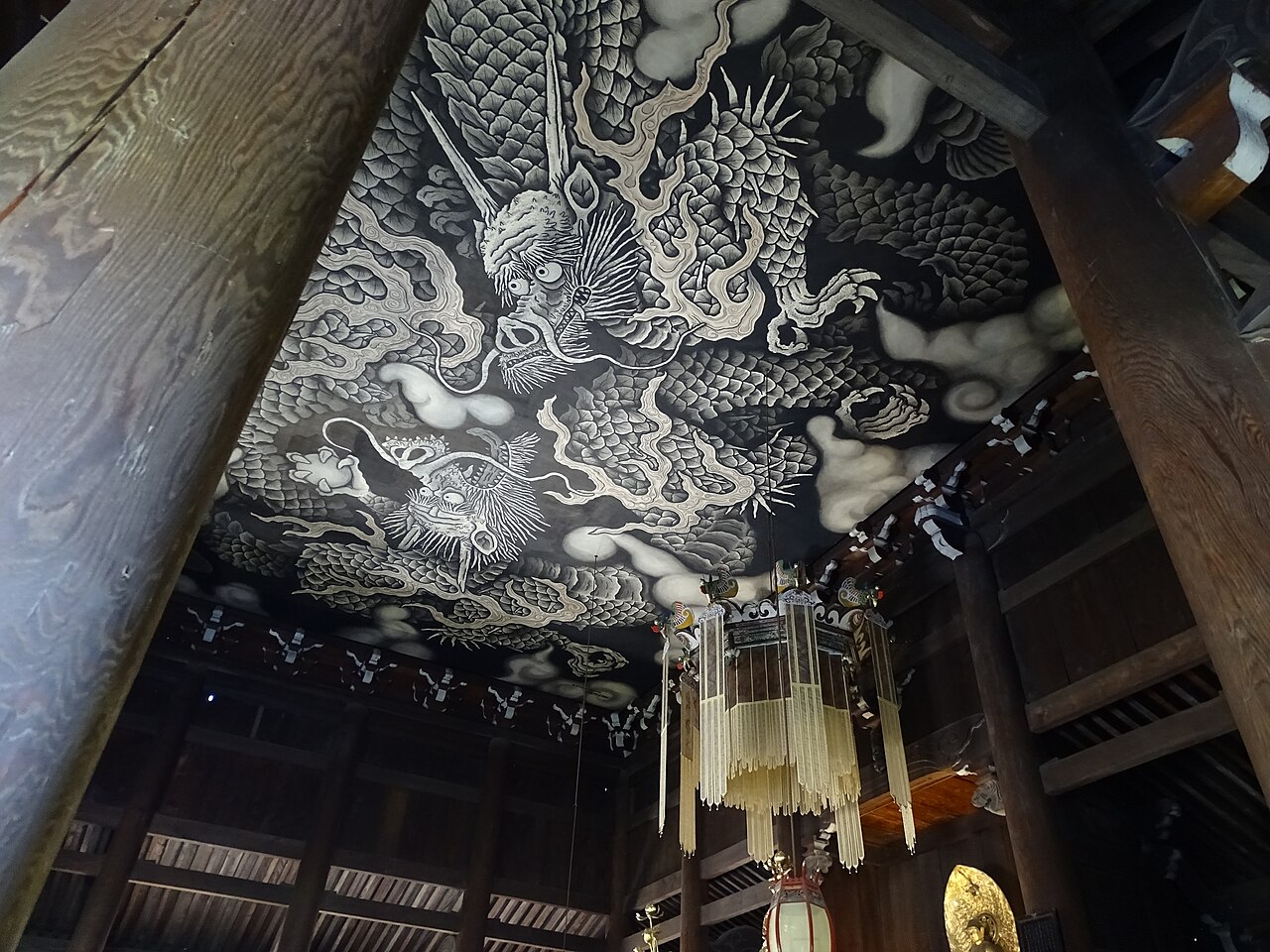
A Japanese dragon tattoo, a ryu, means wisdom, strength, protection, and a connection to water. It reads as a protector rather than a monster, and that benevolent reading is the single biggest difference between a Japanese dragon and the treasure-hoarding dragon of European legend. Color, scale, and placement then shift the emphasis between those four core meanings, and three claws on each foot mark the design as Japanese rather than Chinese.
What a Japanese Dragon Tattoo Means
A Japanese dragon tattoo means wisdom, strength held in restraint, protection from misfortune, and a tie to water, wind, and rain. Ryujin Press narrows the symbolism to those four attributes and frames the creature as a mediator between heaven and earth. Tattoo Studio 13 adds balance, freedom, and good luck, and calls the Japanese dragon a benefactor and protector of mankind.
Ask several tattoo sources and you get overlapping lists rather than one fixed answer. The recurring meanings are these:
- Wisdom and experience
- Strength used with restraint rather than aggression
- Protection from misfortune
- Balance
- Good fortune and prosperity
- A tie to water, wind, and rain
Tattoo Studio 13 puts the Japanese reading bluntly: the Japanese see dragons as benevolent forces that use their strength for good. Kingsave Tattoo’s version of the list includes the phrase strength with compassion, which holds the two halves of that reading together in one line.
Dragon tattoos as a whole carry a wider spread, taking in transformation and courage alongside strength, wisdom, protection, and good fortune. The Japanese version keeps all of it and drops the menace. That is why the same design can be worn as a calm symbol by one person and a defiant one by another.
Where the Symbolism Comes From
The symbolism of the Japanese dragon comes from indigenous water worship layered with imported Chinese and Indian mythology. Ryujin Press describes the ryu as that blend, enriched after Buddhism reached Japan in the sixth century. The Kojiki and the Nihon Shoki, Japan’s two oldest chronicles, already record dragon deities tied to the formation of the world and to the protection of the divine emperors.
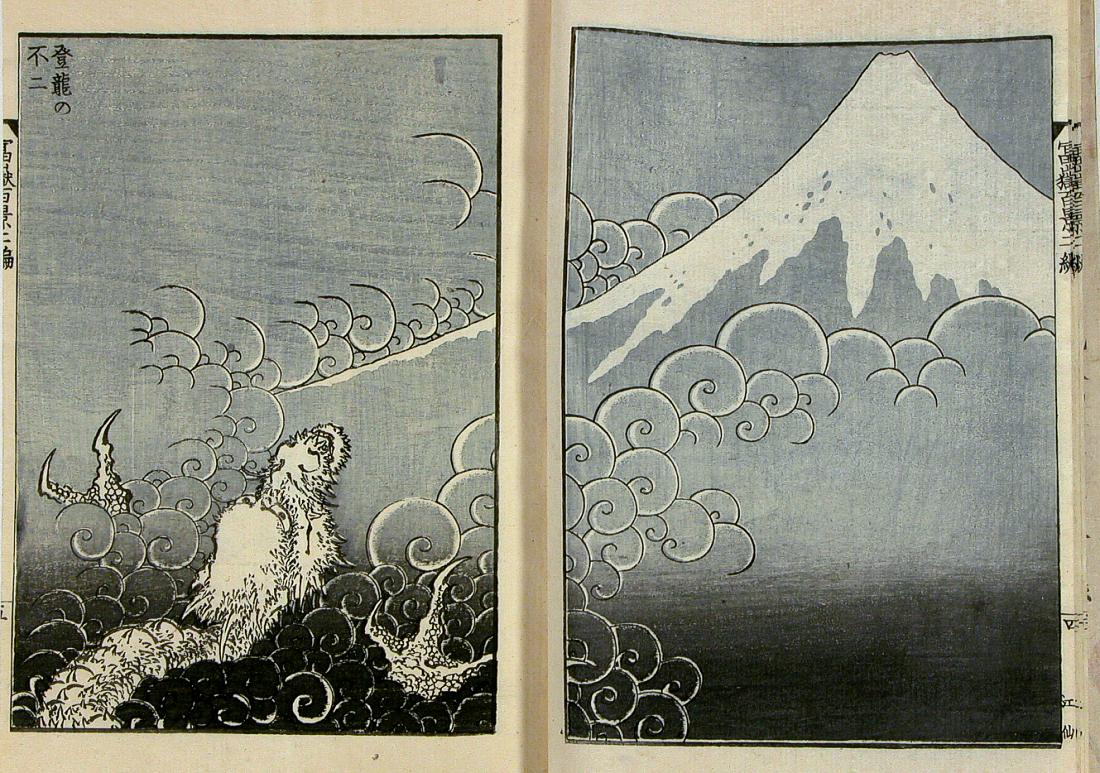
The Japanese dragon is called ryu (龍) or tatsu, and it did not arrive fully formed. Those two chronicles sit behind most of Japanese folklore, and the dragon enters the record there as a deity rather than as a beast.
The best known of those deities is Ryujin, the dragon god of the sea, also called Watatsumi. The Encyclopedia of Shinto records Watatsumi as a tutelary of the sea whose name reads as holder of the sea, produced by Izanagi and Izanami in the Kojiki’s account of the birth of the kami. A dragon with that lineage is a water deity first and a beast second, which is why so much dragon tattoo work sits in waves, spray, and rain rather than fire.
Ink Happened adds the Taoist layer: the Asian dragon belongs to yang, read as flexibility and adaptability, with the tiger standing as its yin counterpart. Paired dragon and tiger compositions come out of exactly that idea, and knowing it changes how a single dragon reads on its own.
How a Japanese Dragon Is Drawn
A Japanese dragon is drawn with three claws on each foot, a slender wingless body closer to a serpent than to a winged lizard, and either horns or none as a mark of rank. A Chinese dragon carries four or five claws, so the claw count is the fastest way to tell the two traditions apart on skin.
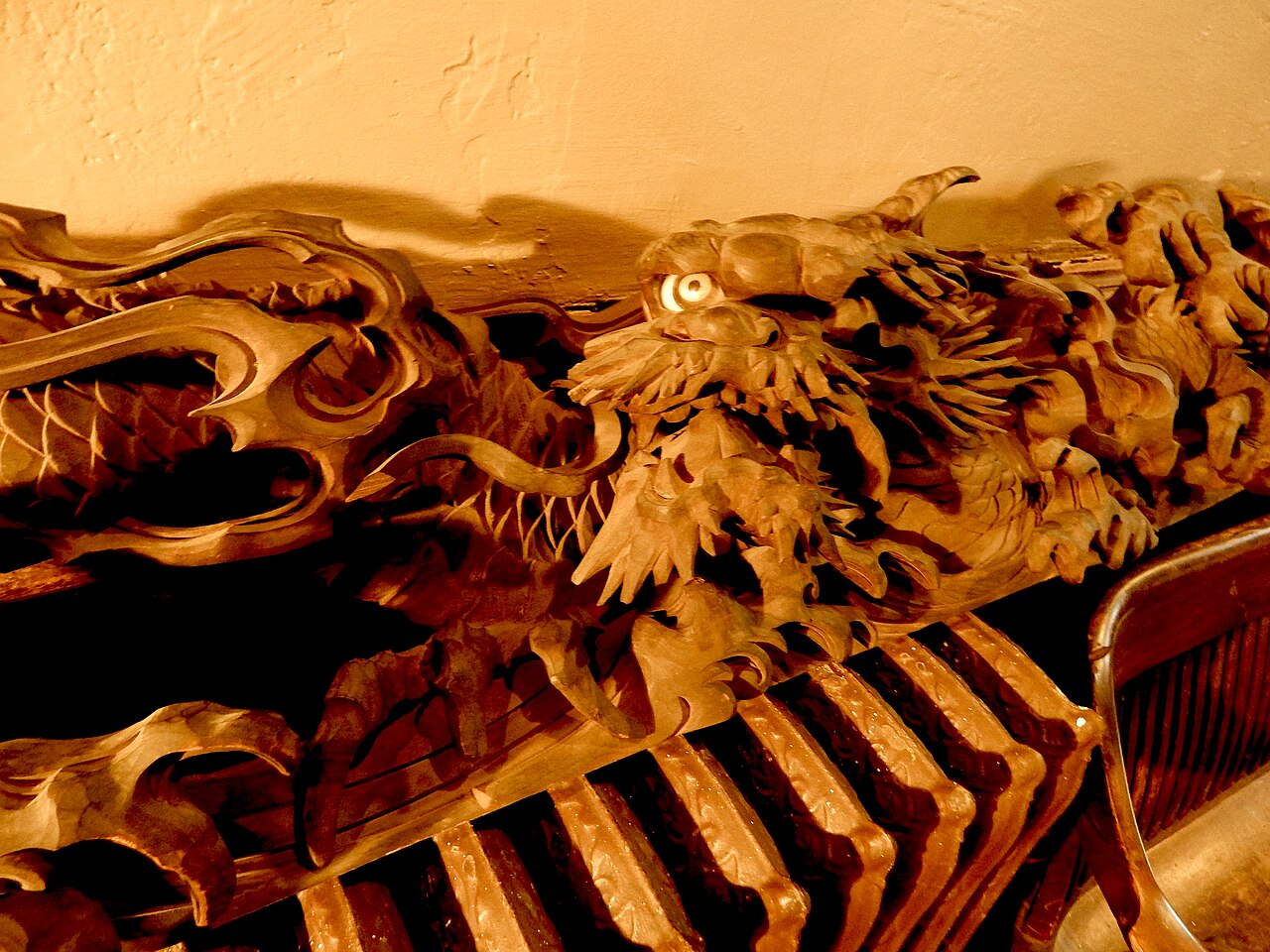
The visual grammar is specific enough that a Japanese dragon is easy to identify once you know what to look for.
- Three claws on each foot, against the four or five a Chinese dragon carries
- A slender, wingless body closer to a serpent than to a winged lizard
- Horned or hornless, a rank distinction in which Ink Happened treats the horned dragons as the most powerful
- A sea-serpent framing, which Tattoo Studio 13 attributes to Japan’s island geography
On that last point the sources disagree, and it is worth settling before you commit to a composition. Tattoo Studio 13 calls the Japanese dragon primarily a sea serpent, while Thirteen Feet Tattoo lists it as sky-associated and hands the water association to the Chinese dragon instead. Both readings are in circulation, so a dragon set in waves and a dragon set in clouds are each defensible. Tattoo Studio 13 also notes that the Japanese version is more often drawn as monstrous than the Chinese one, without losing its status as a force for good.
Scale follows from the body. Kingsave Tattoo notes that large-scale designs are the usual route for Japanese dragons, which is why sleeves and back pieces dominate the style.
What the Colors Mean
Color decides which trait a Japanese dragon tattoo carries: black for wisdom, blue for gentleness, green for nature, gold for virtue and prosperity, yellow for nobility, and red for strength. Ink Happened treats green as the color of the minor dragons and gold as the color of the upper class, so color in this tradition encodes rank as well as mood.
- Black: wisdom and experience, with Ink Happened adding a link to ancestors
- Blue: gentleness, forgiveness, and benevolence, which Kingsave Tattoo reads as serenity and compassion
- Green: nature, life, and the earth, tied to spring
- Gold: virtue, kindness, and helpfulness, and by extension prosperity and divine power
- Yellow: nobility, and in Ink Happened’s reading focus and self-confidence
- Red: strength and passion, per Kingsave Tattoo
The three sources that break color down largely agree on that spread. Choosing between blue and black is therefore less a palette decision than a decision about whether the tattoo should read as gentle or as knowing.
The Named Dragons of Japanese Tradition
Japanese tradition names six dragons beyond the generic ryu: Sue-Ryu the rain king, Fuku-Ryu the luck dragon, Kai-Ryu the small fierce red one, Han-Ryu the largest, Bi-Ryu the rarest and sharpest-eyed, and Hai-Ryu the winged bird dragon. Tattoo Studio 13 and Ink Happened both list the set, with small spelling differences between the two accounts.
- Sue-Ryu: the king of the dragons, credited with control over rain
- Fuku-Ryu: the luck dragon, usually rendered in gold
- Kai-Ryu: the smallest of the set, bright red and described as fierce
- Han-Ryu: the largest of the six
- Bi-Ryu, also written Ri-Riu: the rarest, and the one credited with exceptional eyesight
- Hai-Ryu, also written Hai-Riyo: the bird dragon, and the one exception to the wingless rule
Ink Happened also sorts Asian dragons by function rather than name, listing treasure guardians, spiritual dragons that watch over wind and rain, coiling dragons that rule the ocean, earth dragons tied to the land, and celestial dragons that serve the gods. Picking a named or functional dragon rather than a generic one narrows what the tattoo says, which matters more on a back piece than on a small forearm design.
Japanese, Chinese, and Western Dragons Compared
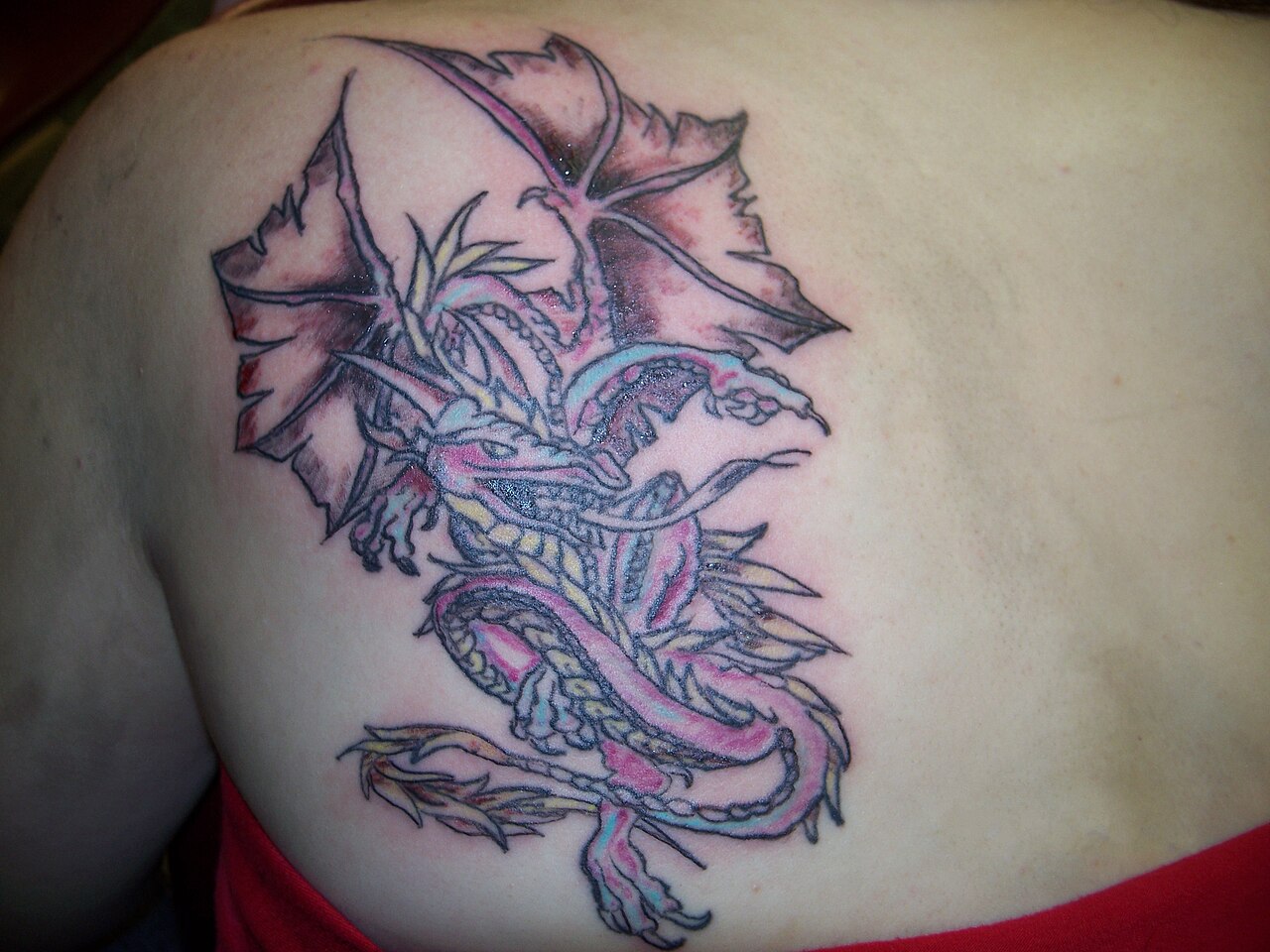
A Japanese dragon has three claws and reads as a benefactor and protector. A Chinese dragon carries four or five claws and reads as auspicious power. A Western dragon is a villain to be defeated, and its meanings centre on fearlessness and resilience instead. Kurosumi’s history of dragon imagery in tattooing calls Eastern dragons mystical and celestial while Western ones are creatures to be conquered.
| Tradition | Claws per foot | How it is read | Common meanings |
|---|---|---|---|
| Japanese | Three | Benefactor and protector | Wisdom, strength, protection, water |
| Chinese | Four or five | Auspicious power | Power, prosperity, good fortune |
| Western | Not a design feature | Villain to be defeated | Fearlessness, independence, resilience |
| Celtic | Not a design feature | Guardian | Chaos and wisdom, protection |
Ink Happened is blunter still, describing the Western dragon as an antagonistic villain. The gap matters on skin, because a Western dragon usually reads as defiance while a Japanese one reads as guardianship, even when the two designs occupy the same square inches of back.
Kingsave Tattoo’s list of Western dragon meanings, fearlessness, independence, protection, conquering challenges, and resilience, is not a worse set of values. It is a different one, built around the idea of winning a fight rather than being watched over.
Placement and Style Choices
Placement adds a second layer of meaning to a Japanese dragon tattoo. Thirteen Feet Tattoo ties the back to strength and dominance, the chest to courage and protection, and the leg or thigh to freedom and adventure, with the sleeve as the standard home for intricate wrap-around work. Sleeves and back pieces dominate the style because Japanese dragons are usually done at large scale.
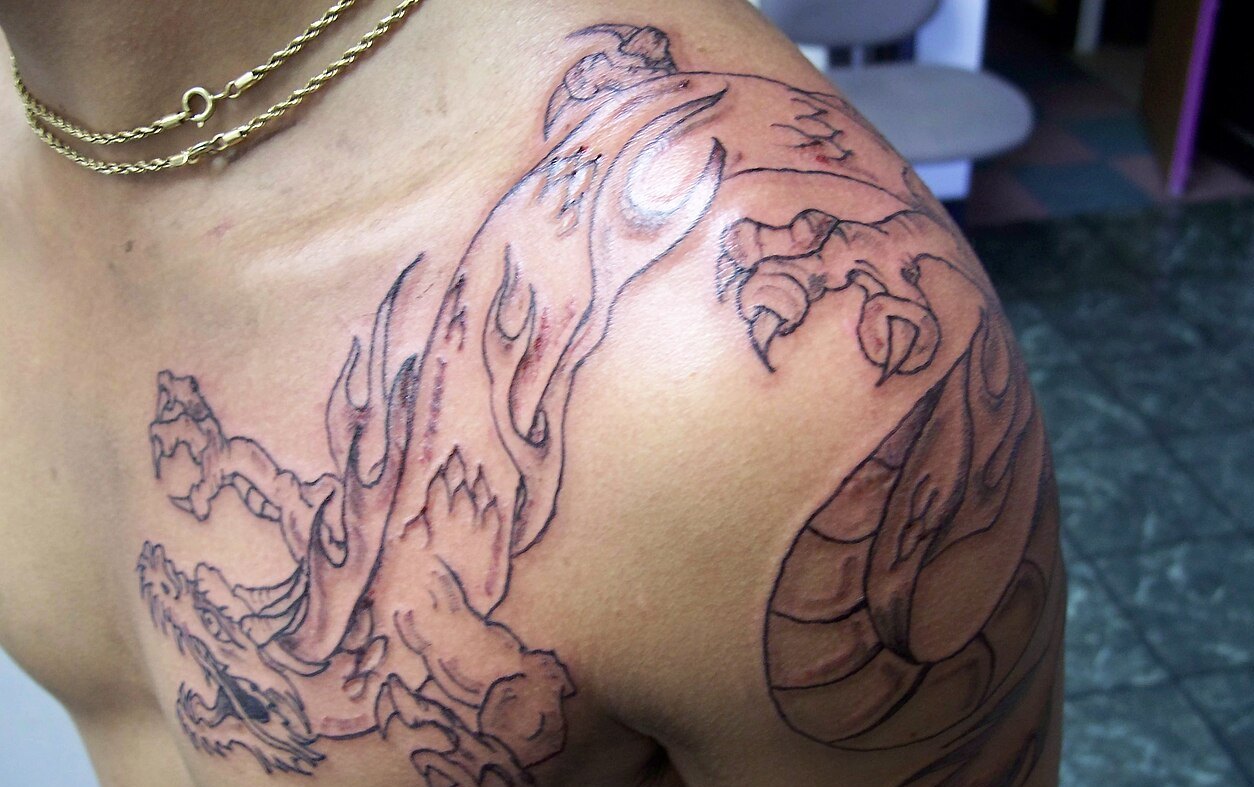
- Back: strength and dominance, and the only canvas that fits a full-length dragon comfortably
- Chest: courage and protection
- Sleeve: the standard home for intricate work that wraps around the limb
- Leg or thigh: freedom and adventure
- Ribcage and full-body compositions: listed by Kingsave Tattoo among the common choices for large Japanese pieces
Style is the other lever. Thirteen Feet Tattoo groups dragon work into traditional, tribal, realistic, minimalist, and fusion approaches, while Kingsave Tattoo frames the same decision as traditional Japanese against bold American traditional against detailed realism. For a Japanese dragon the traditional route is the one that keeps the three claws, the wingless body, and the water setting intact. The minimalist and tribal routes keep less of that iconography, which is a fair trade if the shape matters more to you than the symbolism.
Dragon Designs at Kamicrew
Kamicrew is a Japanese-fashion streetwear label that builds apparel around Japanese mythology and folklore motifs, the ryu among them. A dragon is a large commitment on skin, and the sleeve-and-back-piece scale that suits it best is the slowest and most permanent kind of tattoo to sit for. The motif travels well onto cloth for the same reason it works on a back: the wisdom-and-protection reading holds at any size. Kamicrew’s dragon shirts and hoodies put the coiling ryu somewhere you can wear it tomorrow and change your mind next season.
FAQs
What does a Japanese dragon tattoo mean?
It usually means wisdom, strength, protection, and a connection to water. Ryujin Press lists those four as the primary attributes, and Tattoo Studio 13 adds balance, freedom, and good luck while describing the Japanese dragon as a benefactor and protector of mankind rather than a threat.
How many claws does a Japanese dragon tattoo have?
Three on each foot. Tattoo Studio 13 and Thirteen Feet Tattoo both use the claw count as the quickest way to tell traditions apart, with Chinese dragons carrying four or five. The Japanese dragon is also drawn slender and wingless, with Hai-Ryu the one named exception.
What is the difference between a Japanese and a Western dragon tattoo?
Temperament, mainly. Kurosumi describes Eastern dragons as mystical and celestial while Western ones are creatures to be conquered, and Ink Happened calls the Western dragon an antagonistic villain. A Japanese ryu reads as a guardian tied to water and rain; a Western dragon reads as a treasure-hoarding opponent, and Kingsave Tattoo’s meanings for it centre on fearlessness and conquering challenges.
Which Japanese dragon color should I choose?
Choose by the trait you want the tattoo to carry. Black points to wisdom and experience, blue to gentleness and forgiveness, green to nature and spring, gold to virtue and prosperity, and yellow to nobility. Ink Happened notes that green marks the minor dragons and gold the upper class, so color encodes rank as well as mood.
Where is the best place for a Japanese dragon tattoo?
The back and the sleeve suit it best, because Kingsave Tattoo notes Japanese dragons are usually done at large scale and the back is the only canvas that fits a full-length dragon comfortably. Thirteen Feet Tattoo reads the back as strength and dominance, the chest as courage and protection, and the leg or thigh as freedom and adventure.
Kamicrew Best Seller

Dont Touch Me Yokai Ukiyo-E Japanese T-Shirt
$25.49+
$29.99
(15% off)


Summer Vibes Salty Kawaii Japanese Hoodie
$44.99+
$49.99
(10% off)


Japanese Pin Horror 80s Retro Aesthetics T-Shirt
$25.49+
$29.99
(15% off)


El Gran Maja Japanese Kaiju T-Shirt
$25.49+
$29.99
(15% off)


Who Wants The Perfect Body Japan Capybara Kawaii Japanese Unisex Shirt
$25.49+
$29.99
(15% off)


Monster 8 Mask Vintage Animal Hoodie
$44.99+
$49.99
(10% off)


I Hate People Japanese Opossum Vintage Animal Hoodie
$44.99+
$49.99
(10% off)


I Got That Dog In Me Small Turtle Vintage Animal T-Shirt
$25.49+
$29.99
(15% off)

The Creation Of Cat Ukiyo-E Japanese T-Shirt
$25.49+
$29.99
(15% off)