Abe no Seimei
安倍晴明
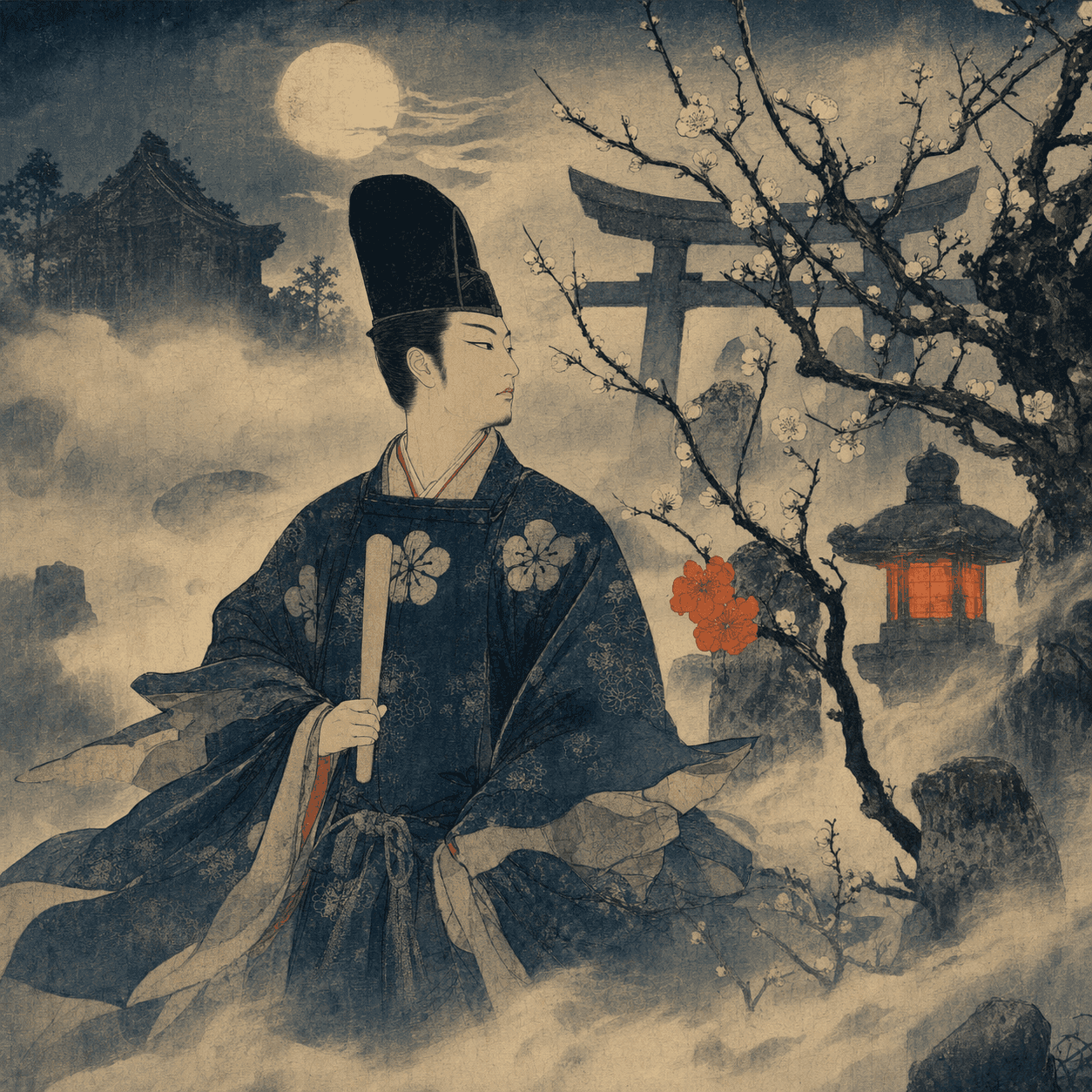
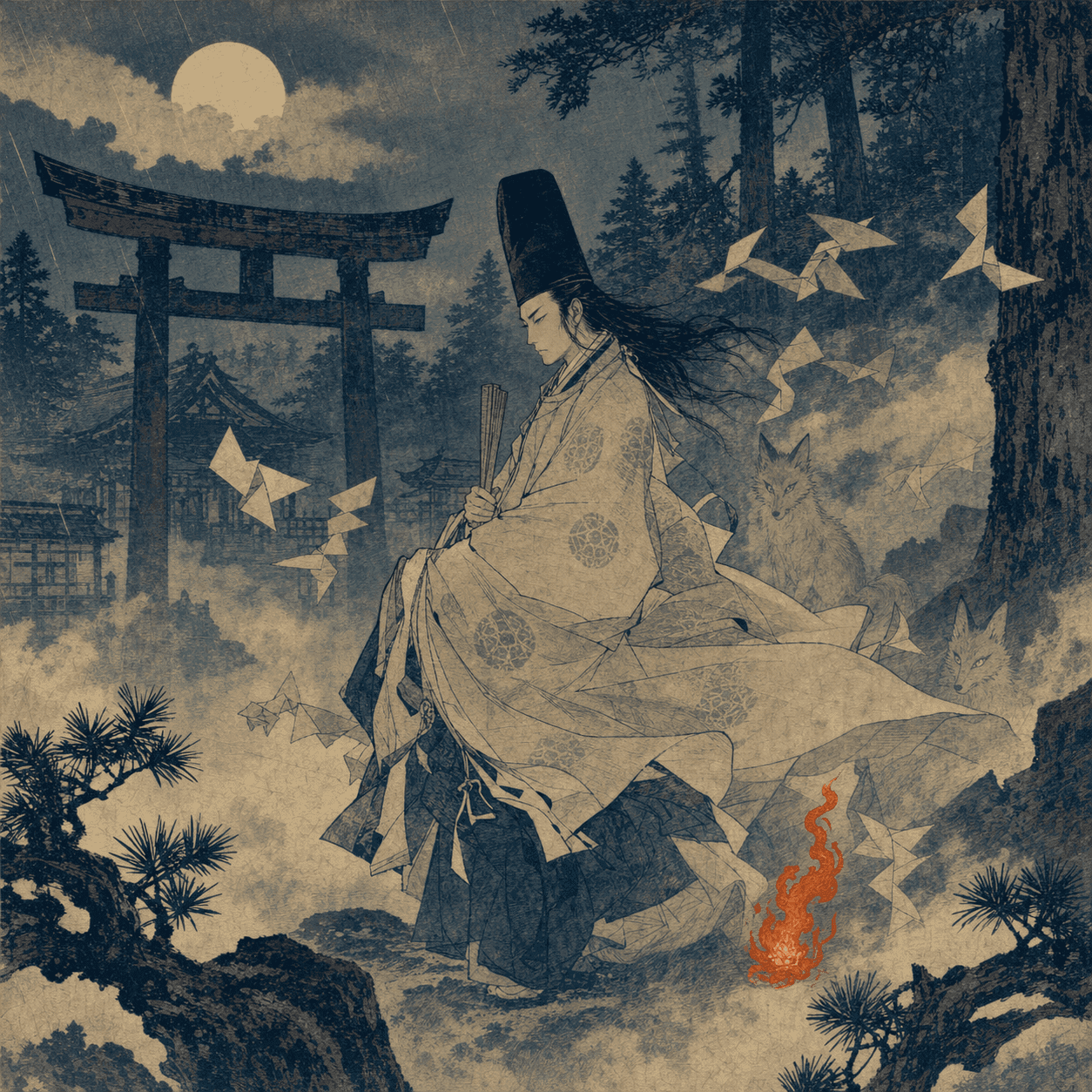
Abe no Seimei is the most famous onmyoji in Japanese folklore. He worked for the Heian imperial court in Kyoto from 921 to 1005, and tradition gives him a white-fox mother named Kuzunoha.
Explore our collection of Japanese folklore creatures. Use filters to find specific types or regions.
Filter by region:
Showing 25 of 25 yokai

安倍晴明
Abe no Seimei is the most famous onmyoji in Japanese folklore. He worked for the Heian imperial court in Kyoto from 921 to 1005, and tradition gives him a white-fox mother named Kuzunoha.

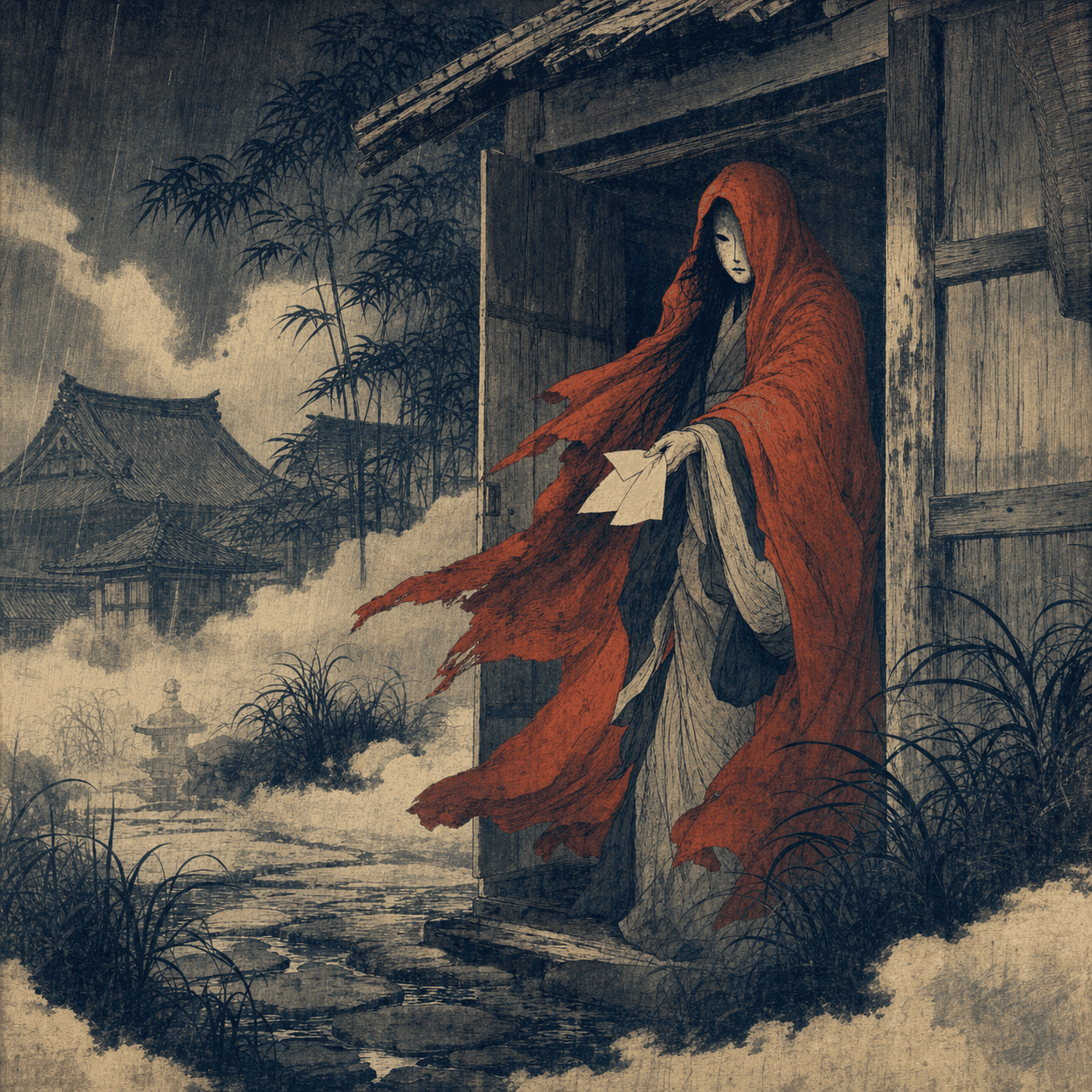
赤マント
Aka Manto is a famous Showa-era urban legend about a malicious masked spirit who appears in school and public toilets. The spirit asks every victim the same trick question — "Red paper or blue paper?" — and punishes both answers with a matching death.

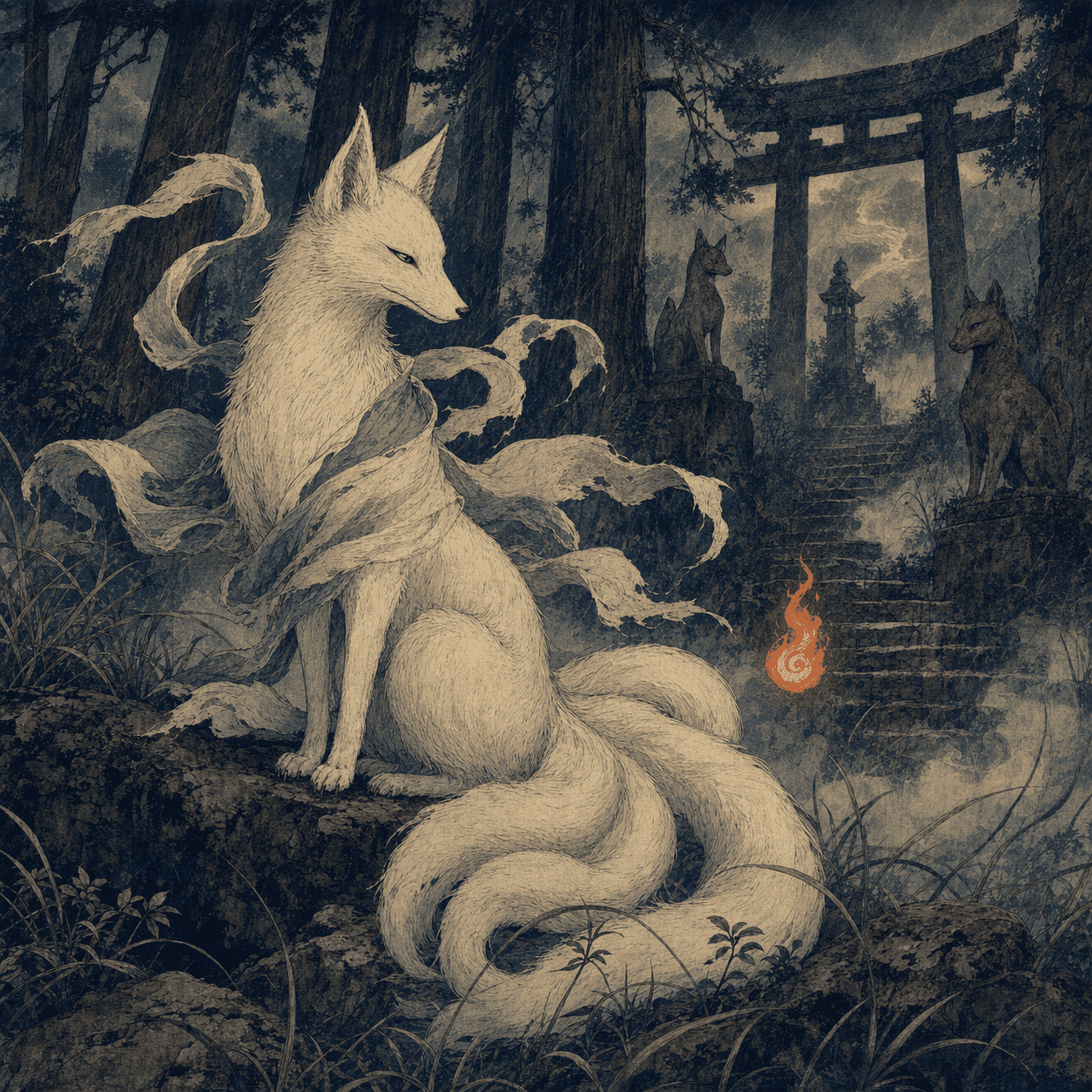
白狐
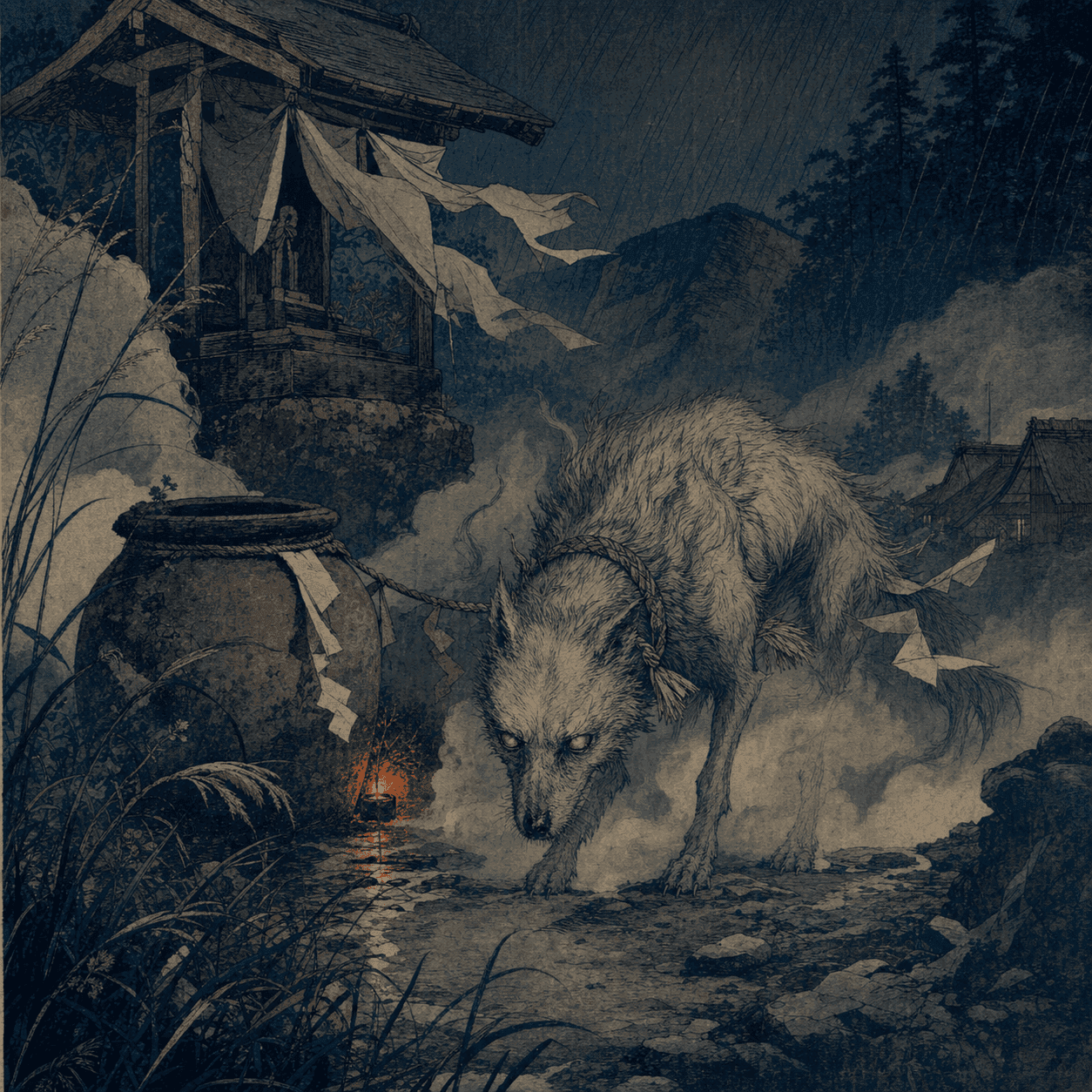
Byakko is the sacred white fox of Japanese folklore and the chosen messenger of Inari Ōkami. The creature appears most often at Inari shrines, rice fields, and quiet forest paths across Japan.

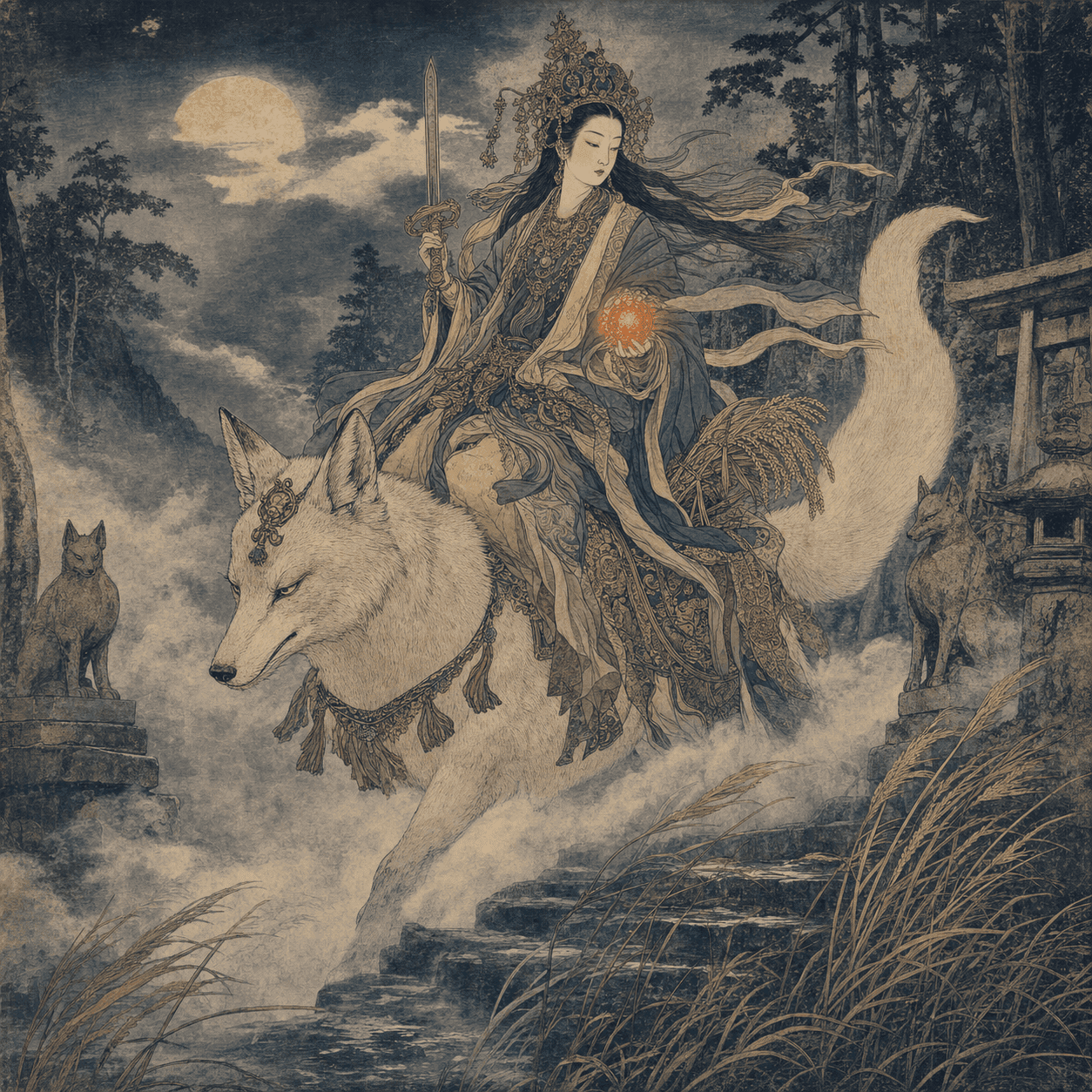
荼枳尼天
Dakini is a Japanese Buddhist goddess who moves through the sky on a flying white fox. She is a central figure in Shingon esoteric Buddhism and is joined to the Inari fox cult.

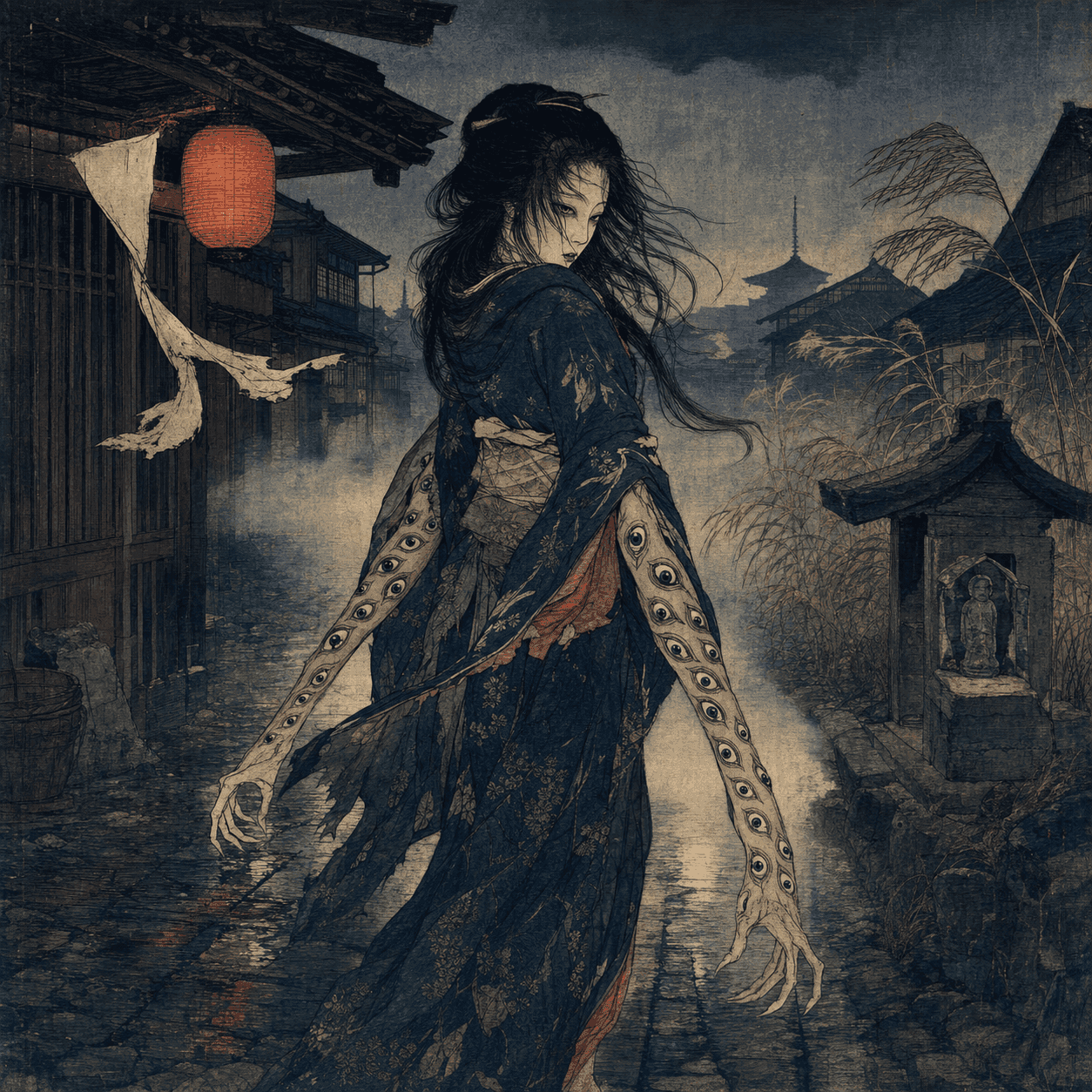
百々目鬼
Dodomeki is a cursed Edo-period yokai woman whose long arms carry hundreds of tiny bird's-eye coins. She punishes the habit of theft.

百目
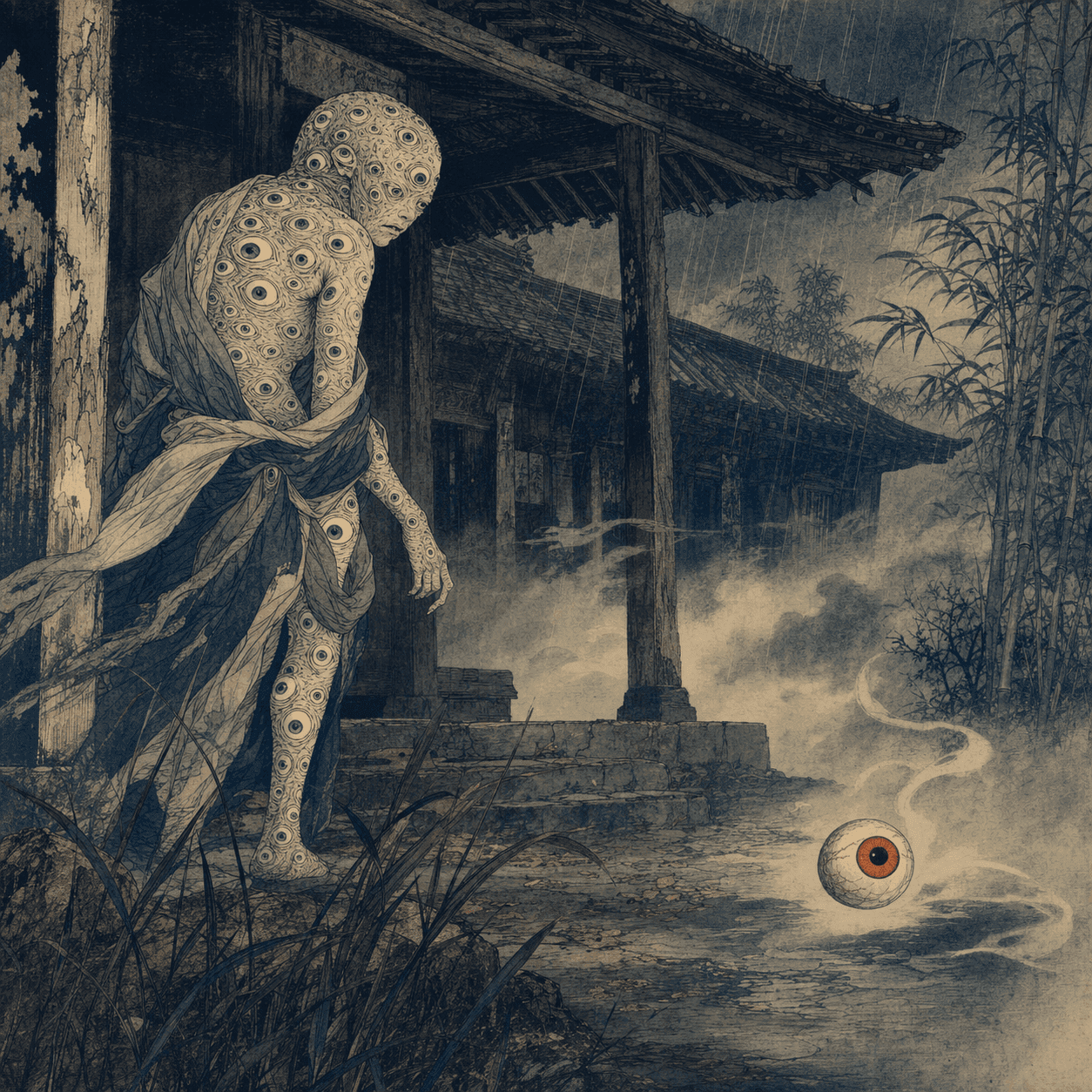
Hyakume is a fleshy, man-sized yokai covered head to foot in countless blinking yellow eyes. The hundred-eyed guardian lives in abandoned Japanese temples and watches for thieves at night.

茨木童子
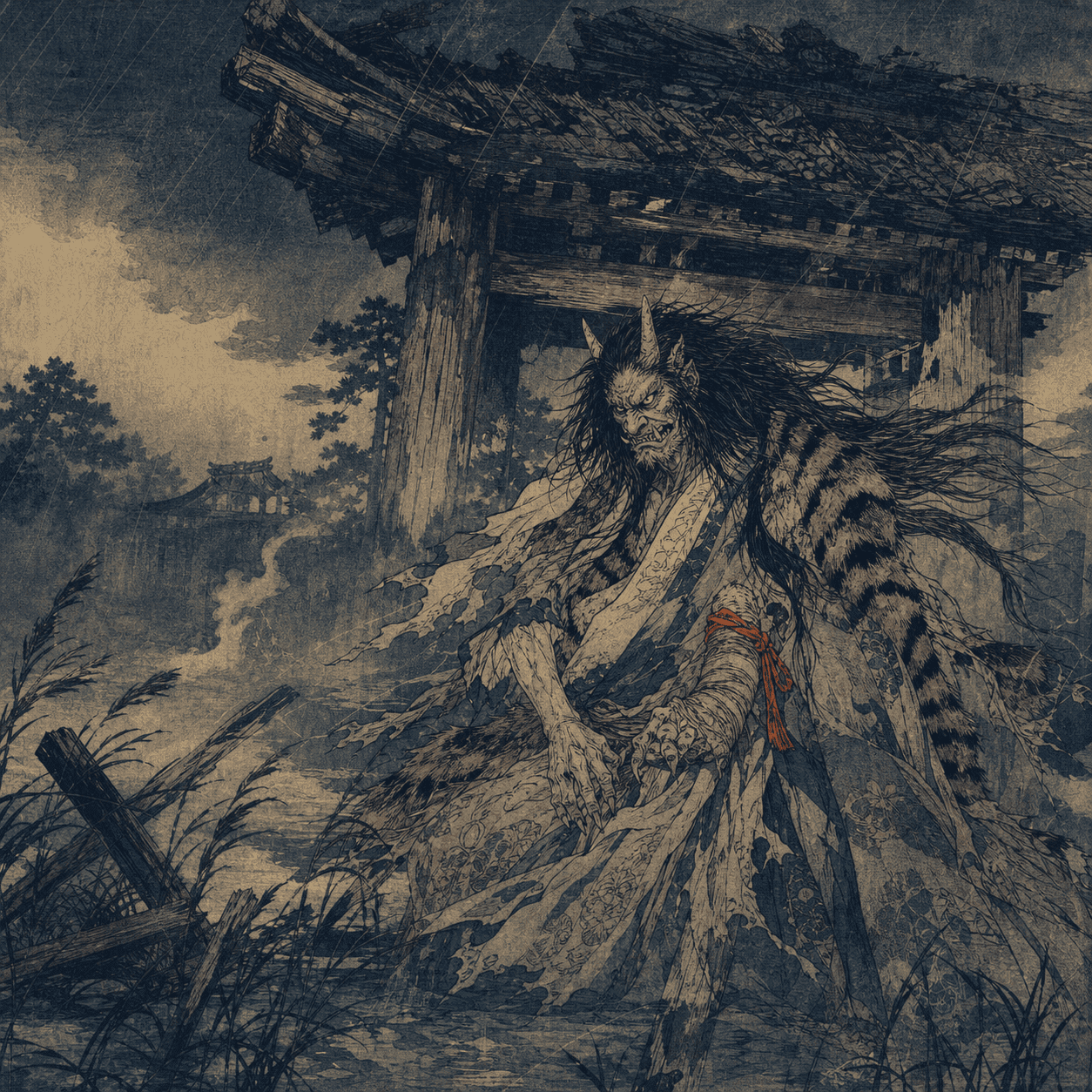
Ibaraki Doji is a fearsome oni from Heian period folklore and the chief lieutenant of Shuten Doji. The demon is known for the famous arm-cutting battle with the samurai Watanabe no Tsuna at the Rashōmon gate in Kyoto.

犬神
Inugami

磯撫
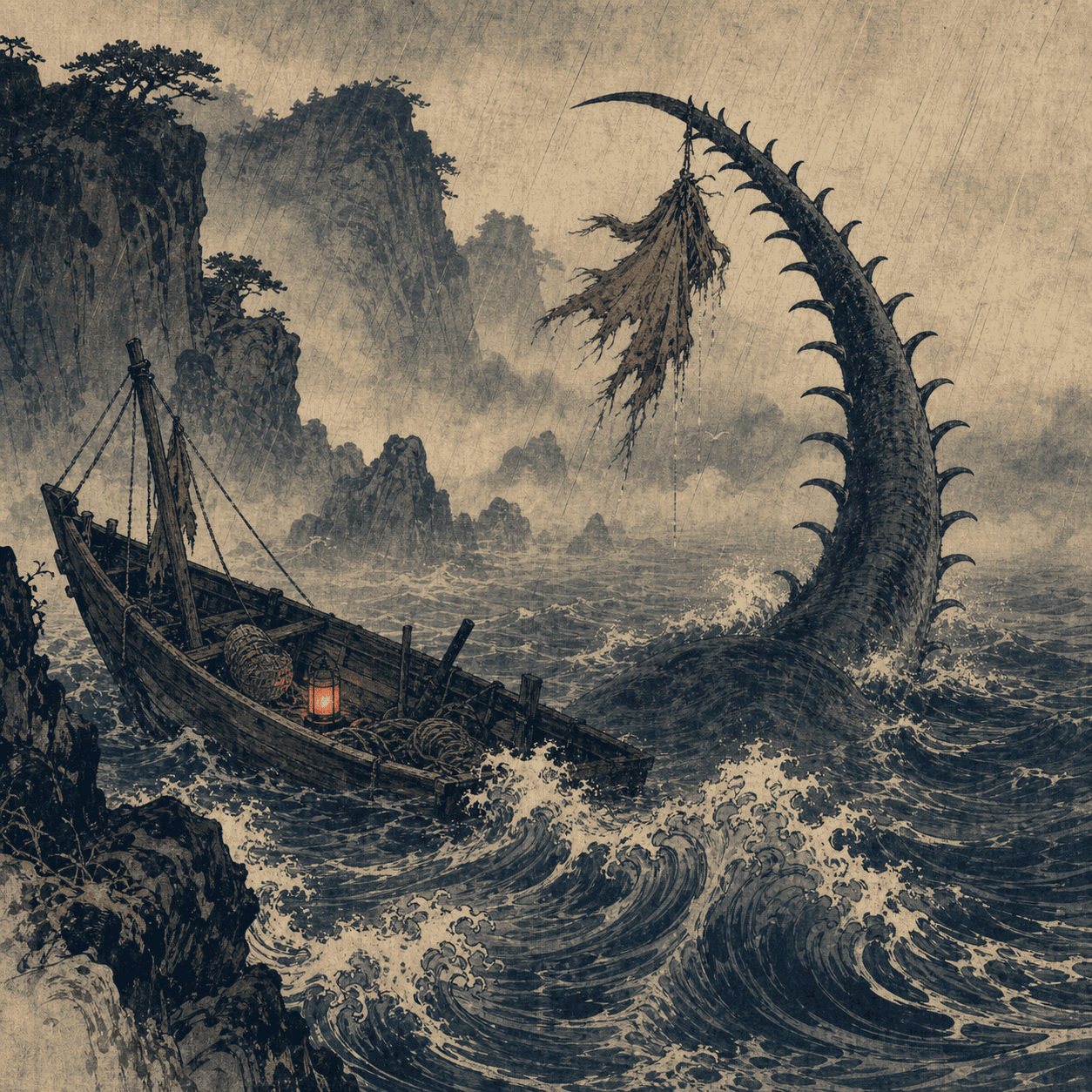
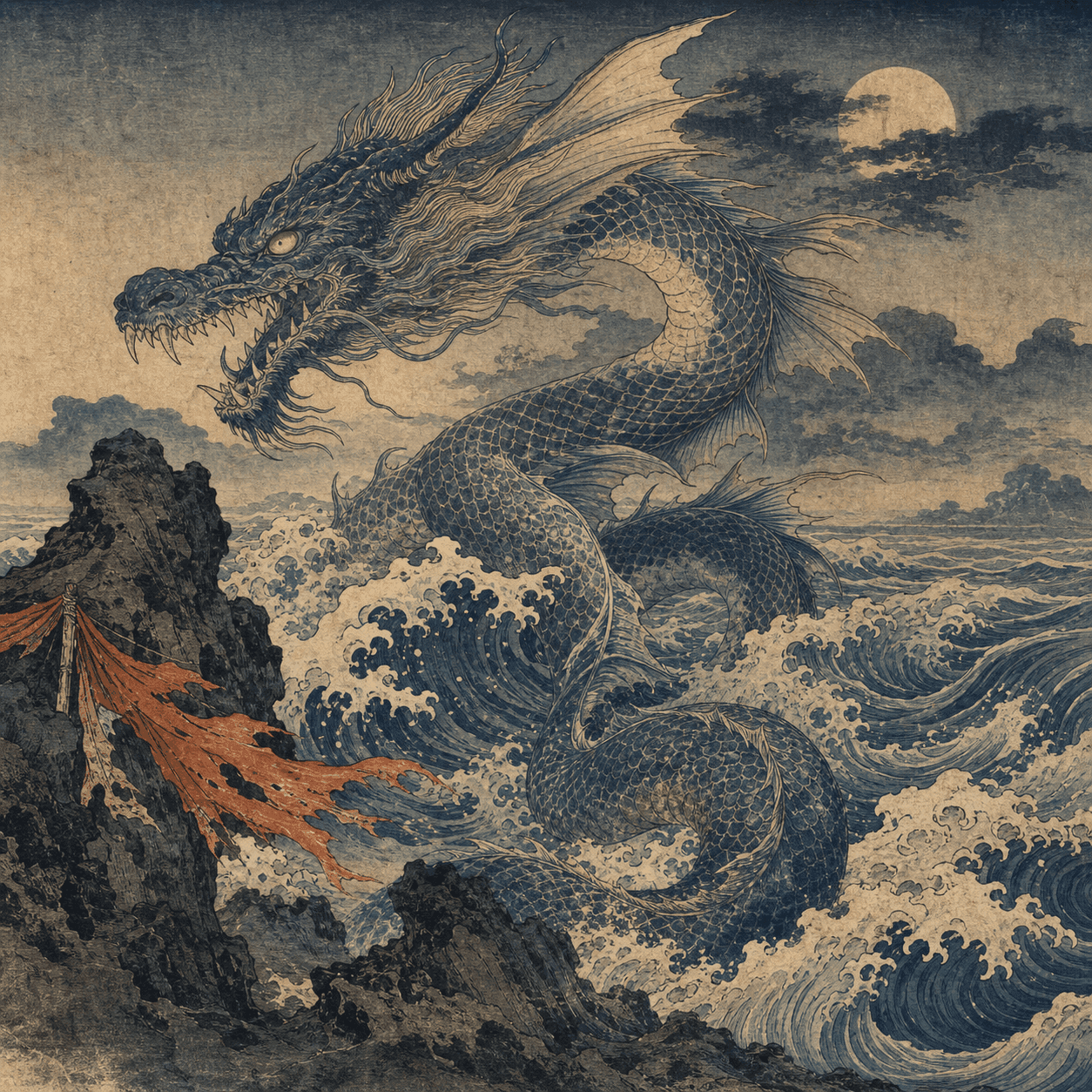
The Isonade is a giant shark-like sea yokai of western Japan. It strokes sailors off their boats with a barbed tail and carts them into the deep.

縊鬼
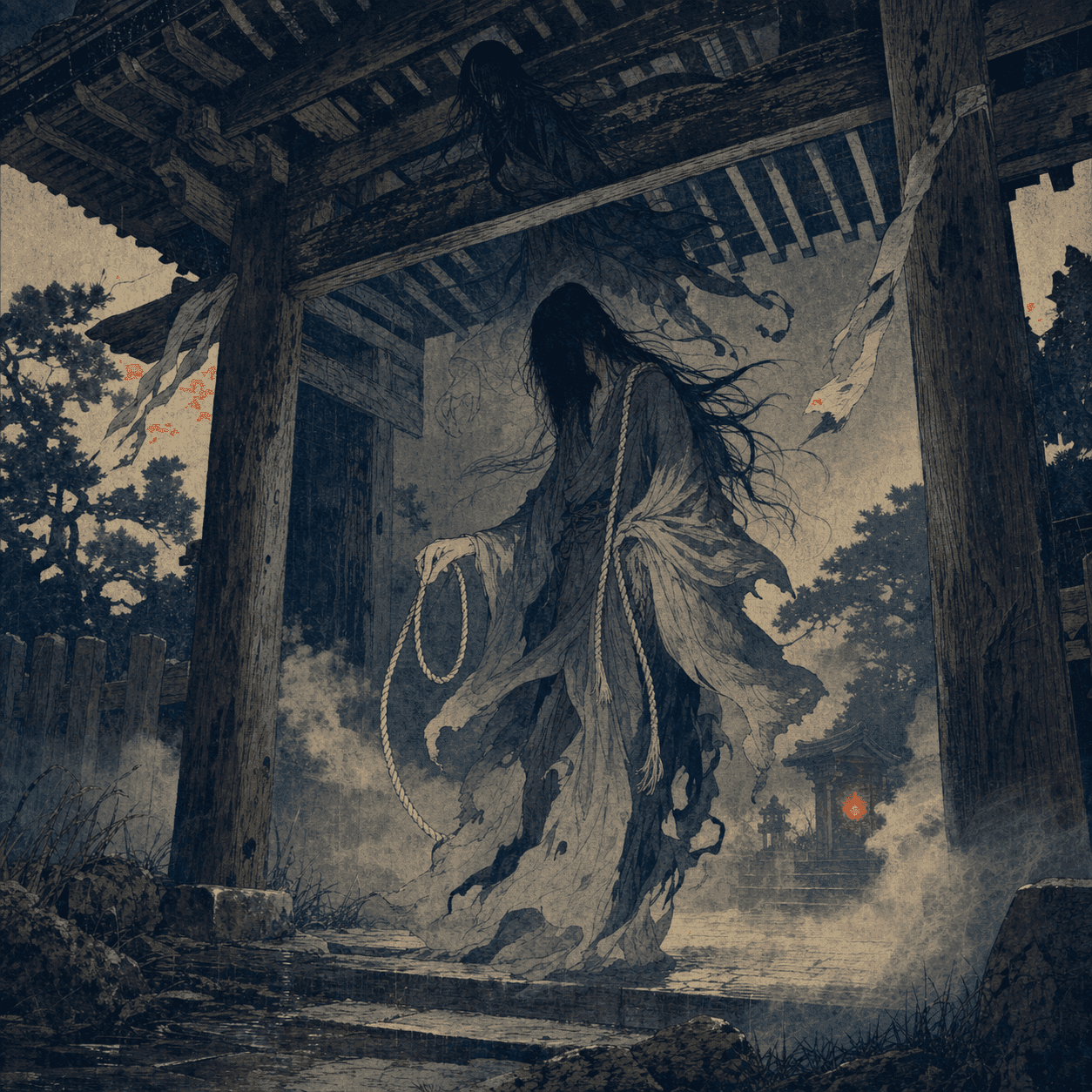
The Itsuki is a ghost yokai from Edo-period anecdote. It tells the living to hang themselves so it can finally leave the underworld and return to a new life.

以津真天
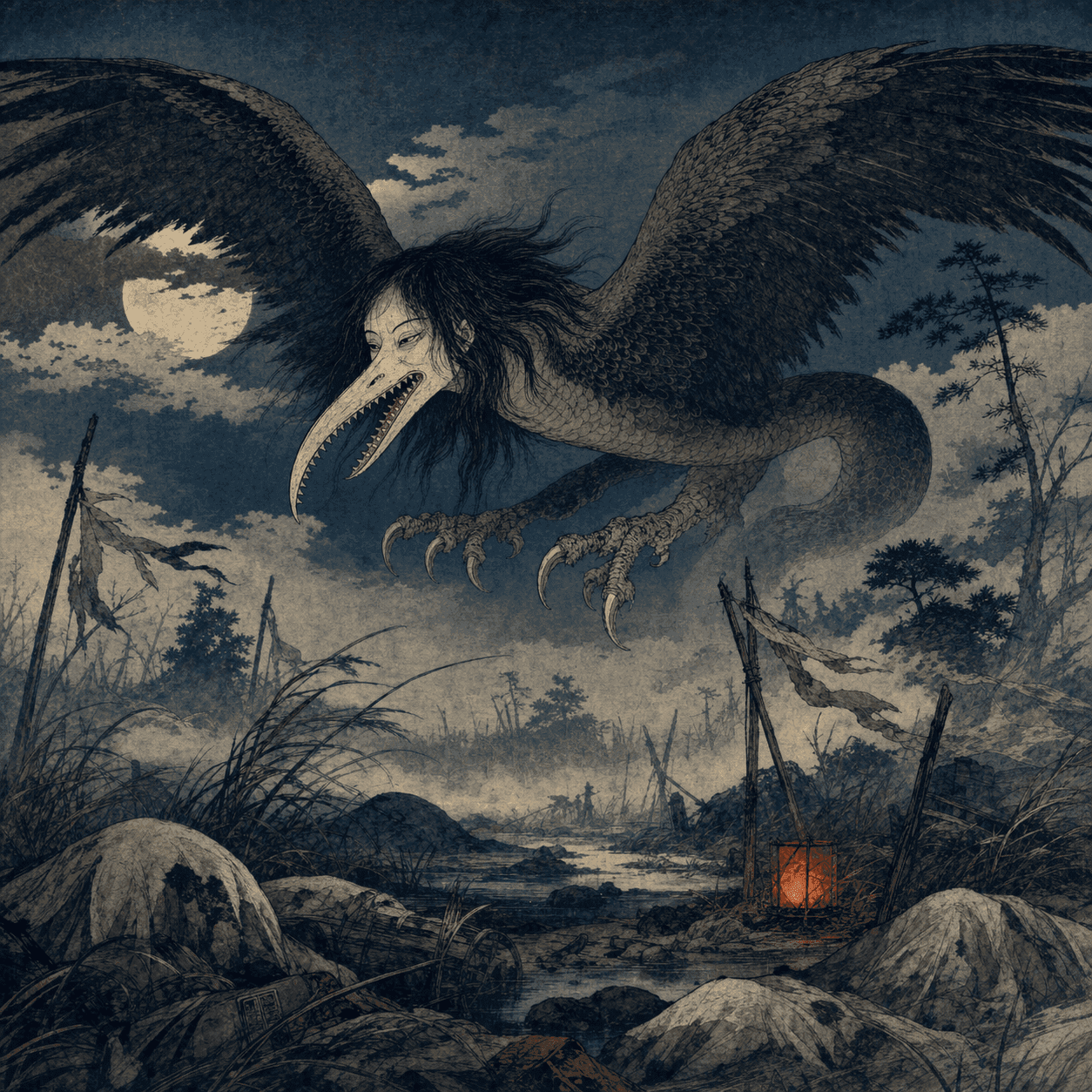
Itsumade is a giant bird yokai with a human face. It appears at night over places of mass death and cries "until when?" to ask the living for action.

地獄
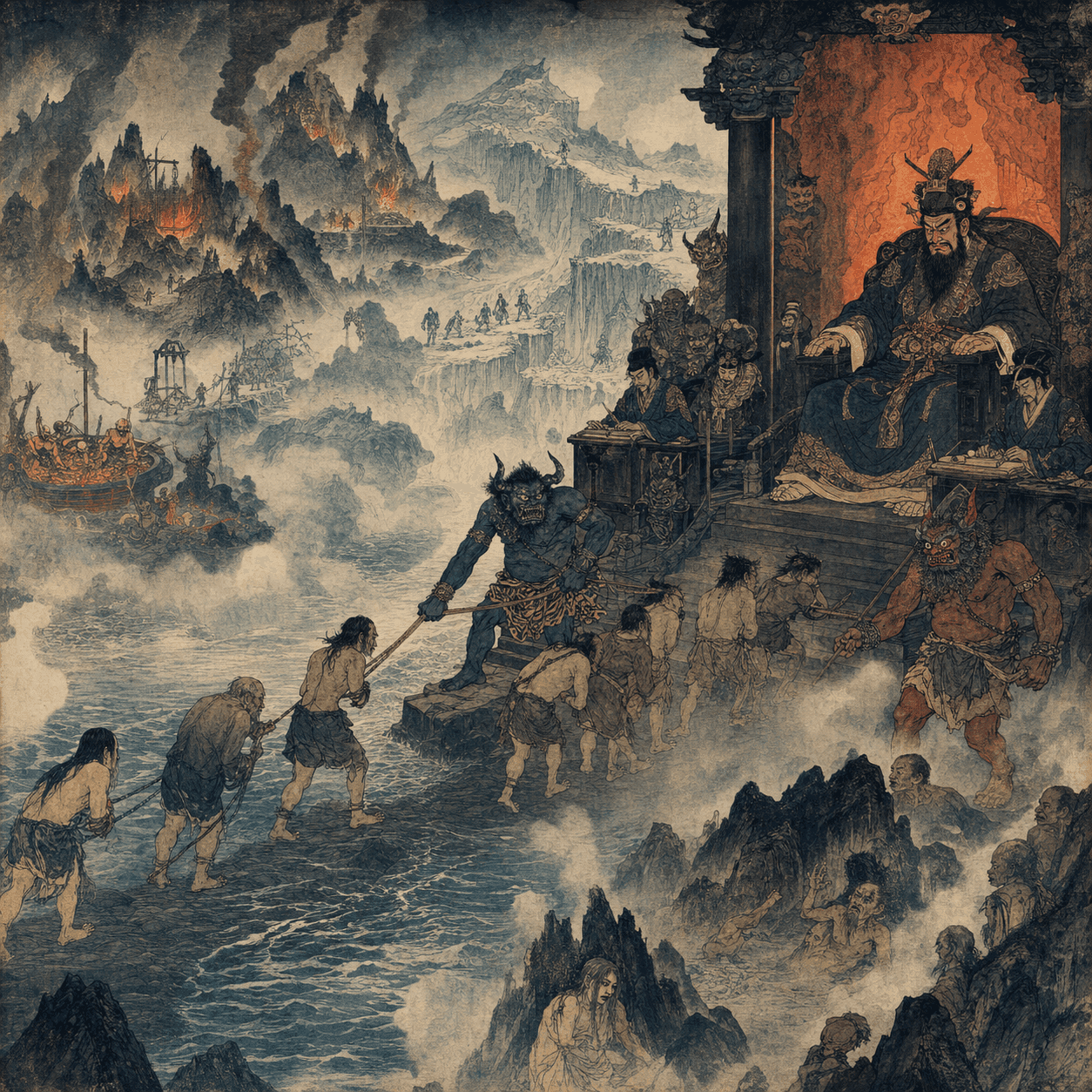
Jigoku is the Buddhist hell of Japan, a vast realm of punishment ruled by Enma-Daiō. It exists under the earth and takes the souls who fail to earn rebirth in the higher Buddhist realms.

絡新婦
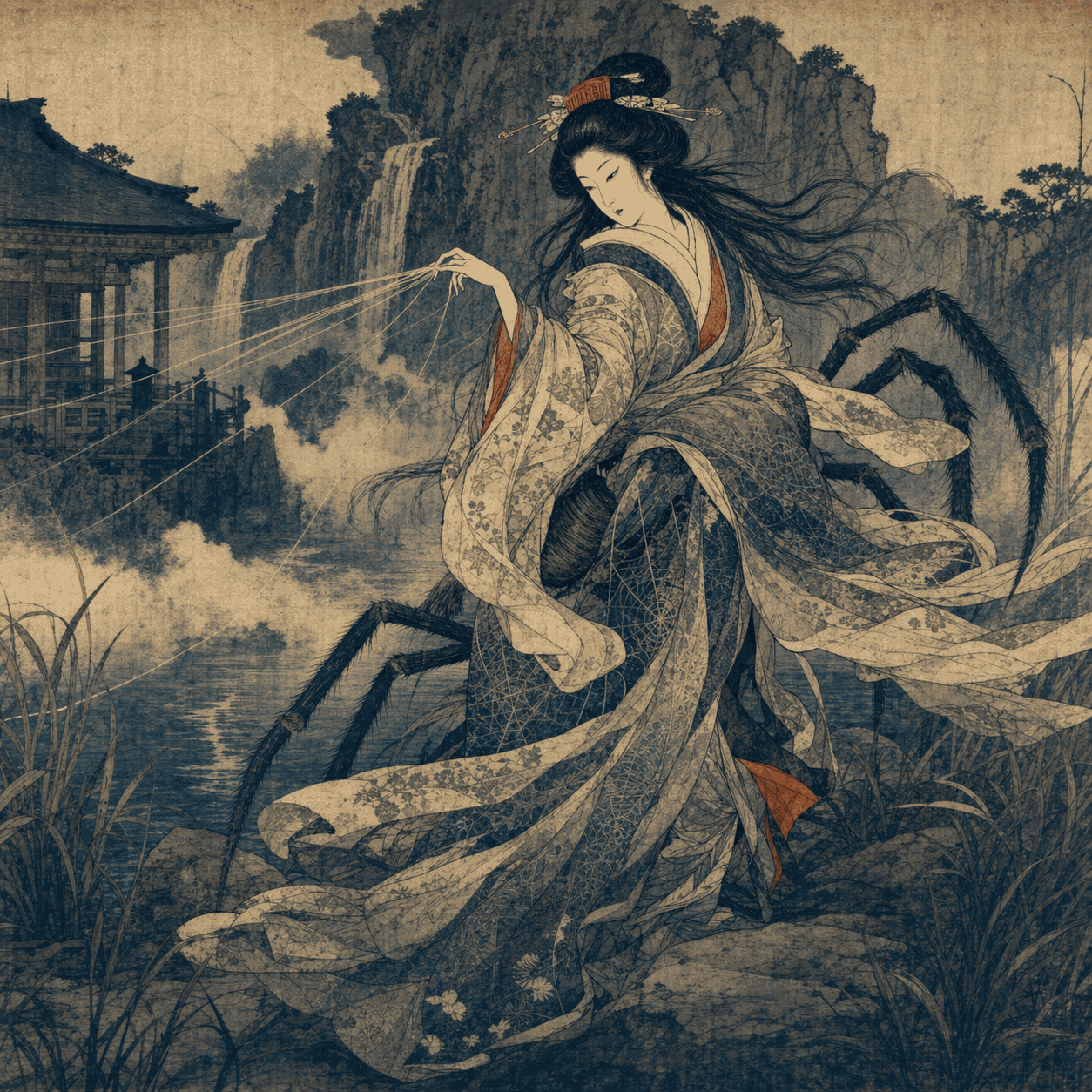
The Jorogumo is a giant spider yokai that can transform into a beautiful woman. It lures men into quiet places, seduces them, and then binds them in sticky webs to devour them later.

樹木子
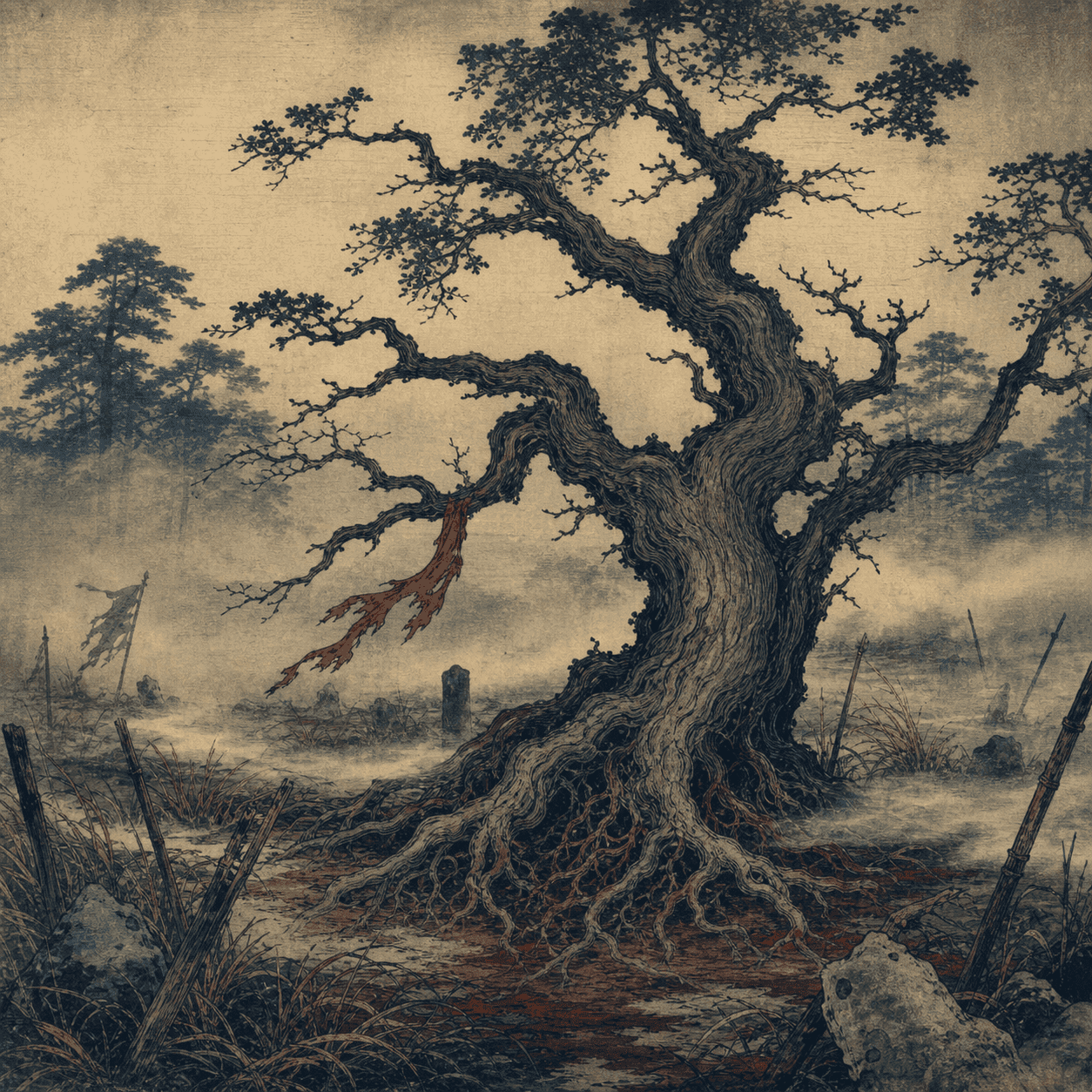
Jubokko is a vampire tree yokai that grows on old battlefields where many people once lost their lives. It is mostly known from the works of manga artist Mizuki Shigeru.

貝児
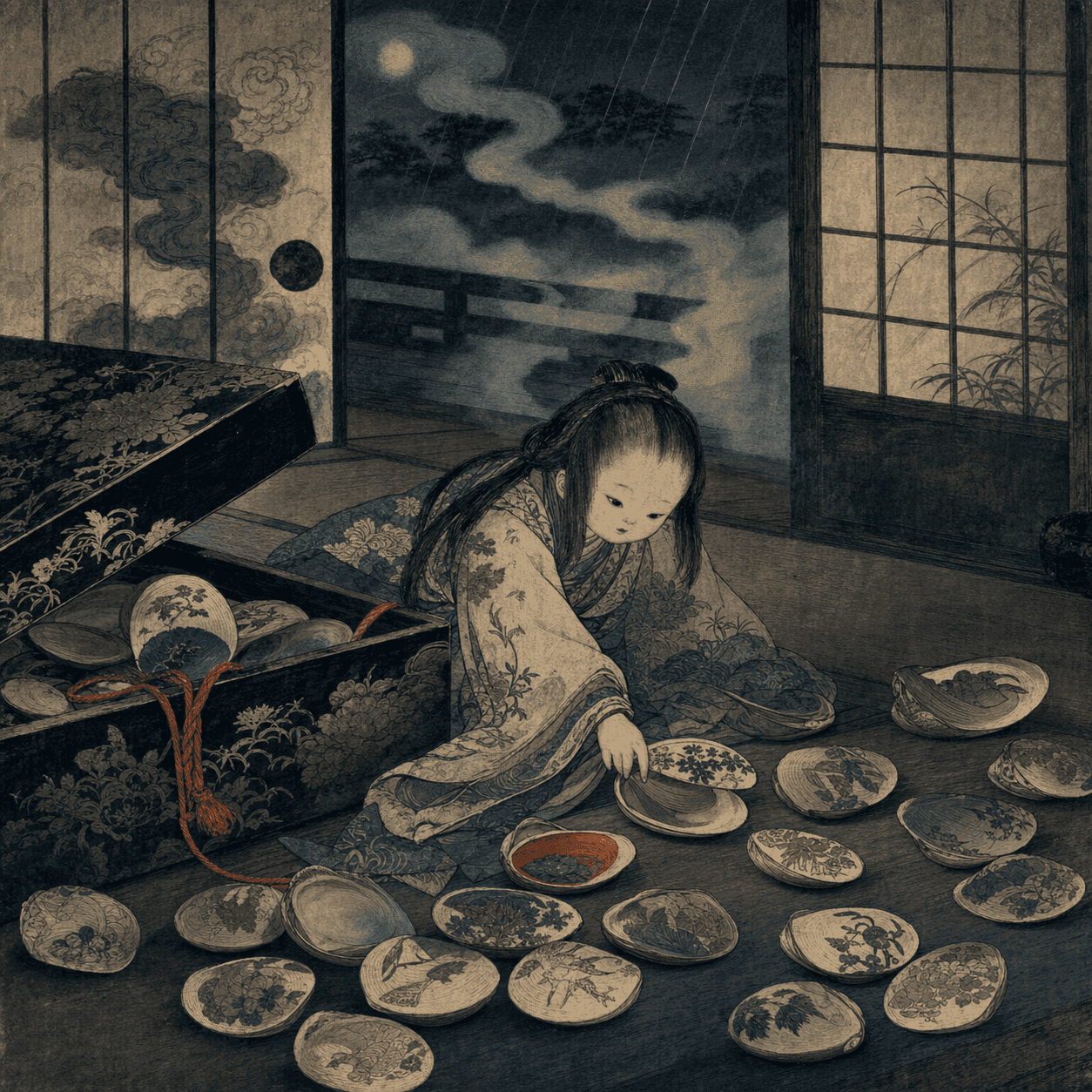
The Kaichigo is a tsukumogami born from an old kaioke, the lacquered box used for the Heian shell-matching game. It appears as a small child who plays with the painted shells at night.

麒麟
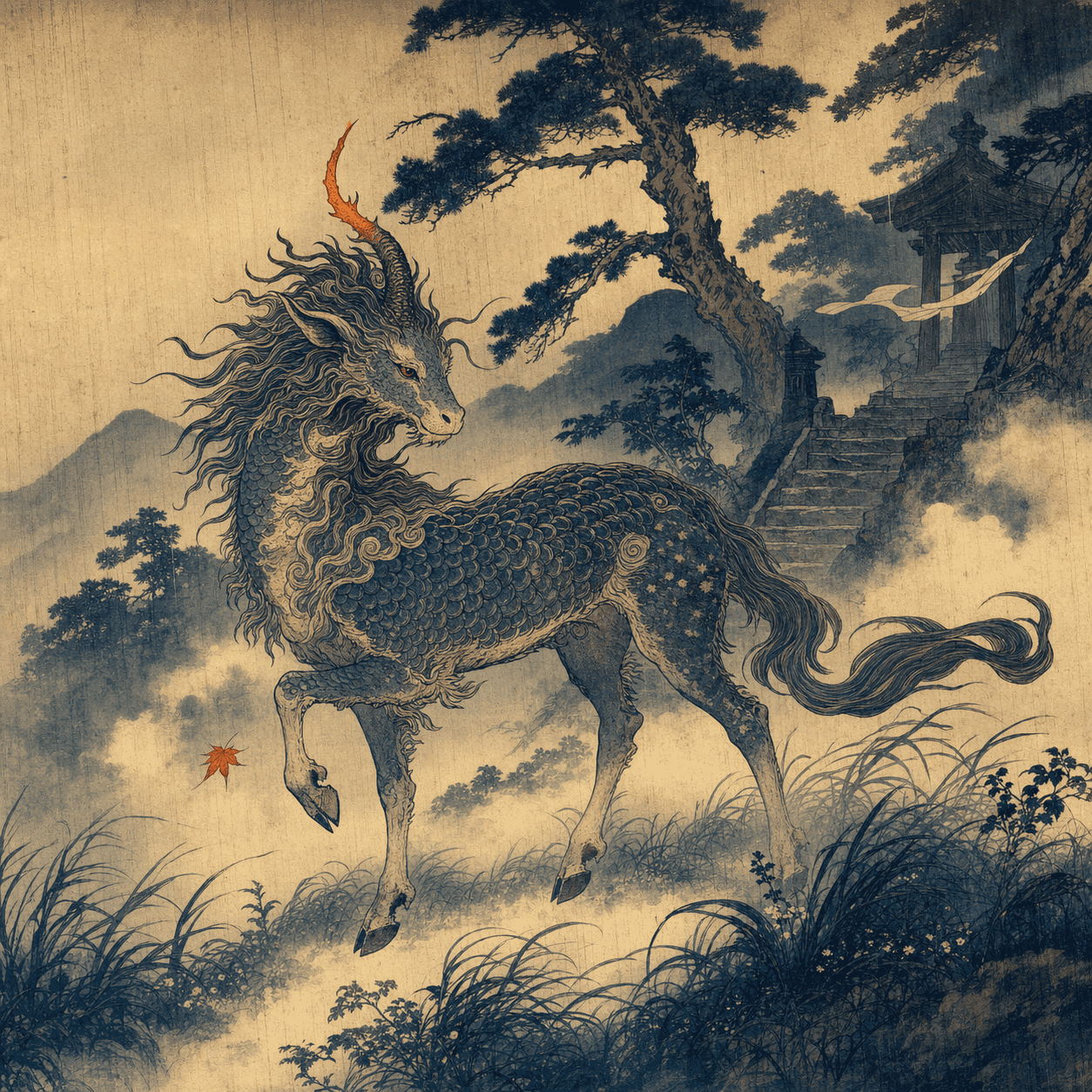
The Kirin is one of the most sacred divine beasts in Japanese folklore. It appears only during times of great peace or to herald the birth of a sage. In Japan it is considered more divine than even the dragon or the phoenix.

狐火
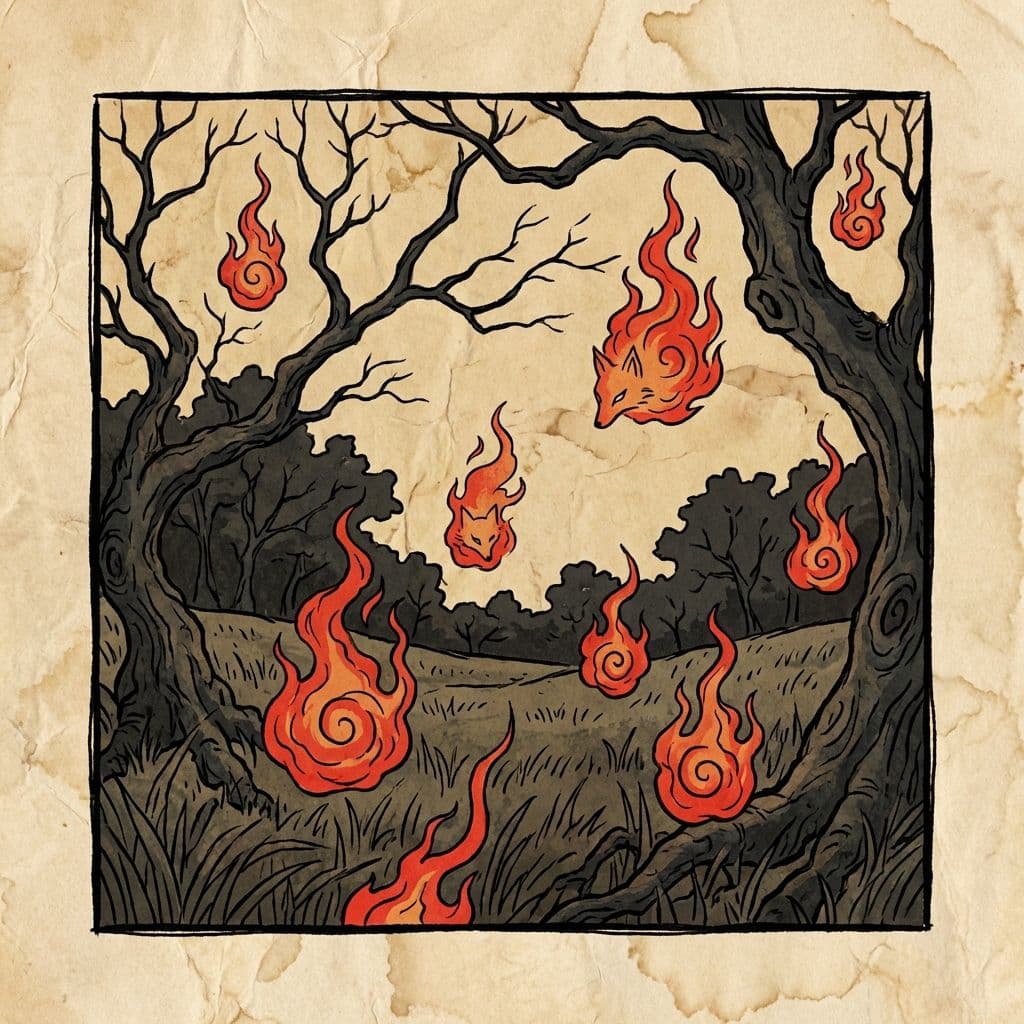
Kitsunebi is a ghost-light yokai made by kitsune. The orbs appear at night across rural Japan and float above fields and mountain trails.

子泣き爺
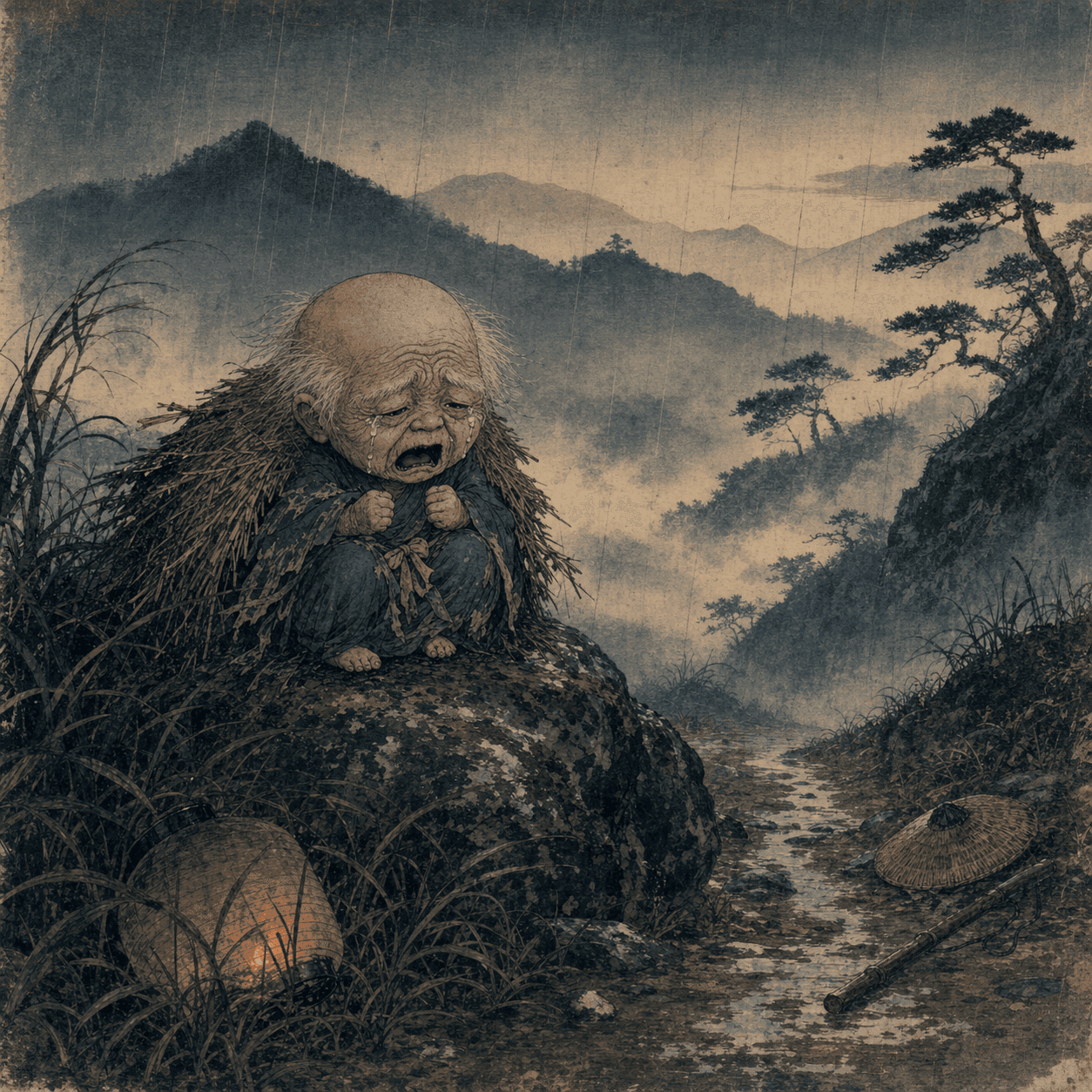
Konaki Jijii

虎狼狸
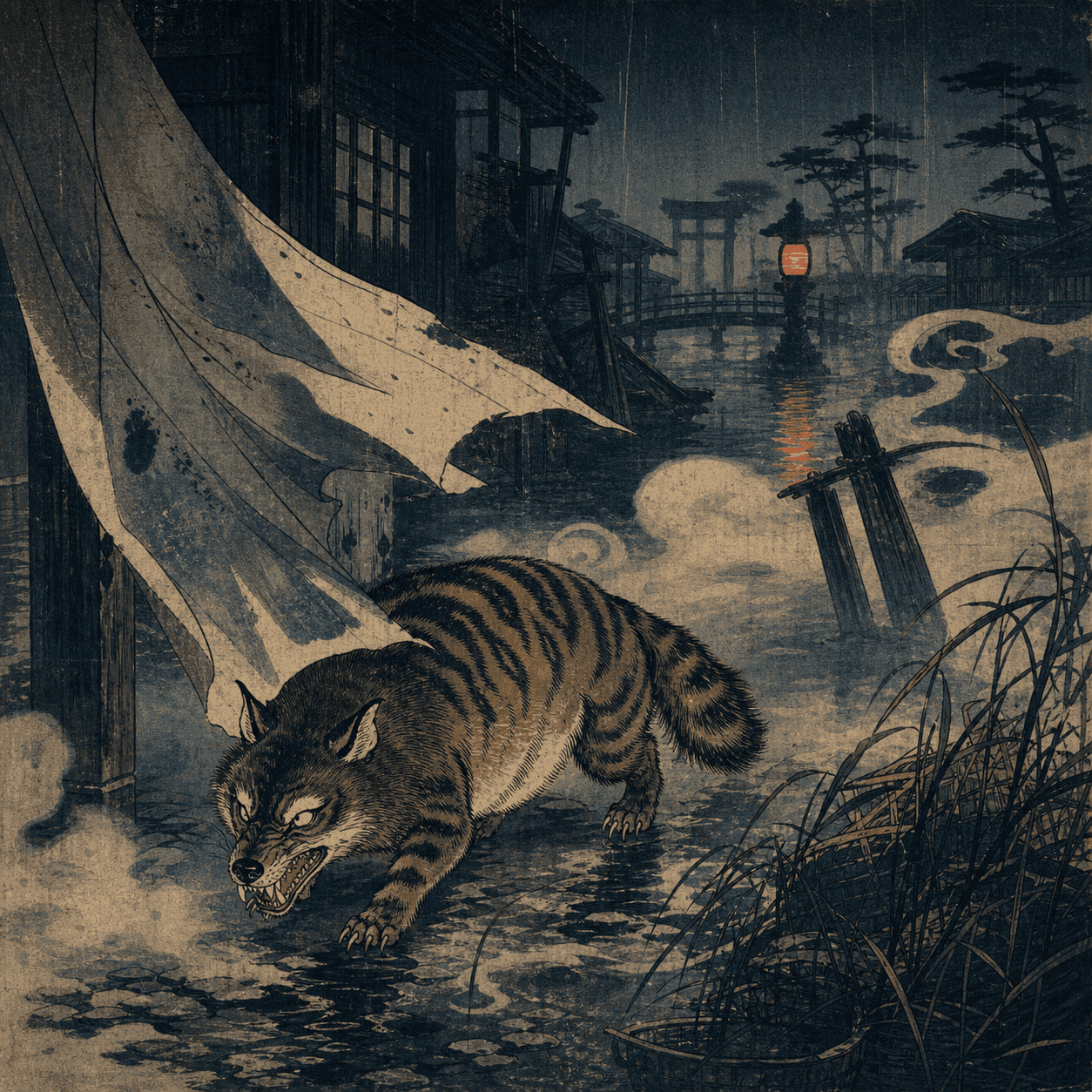
Korouri is a chimeric plague yokai blamed for the deadly cholera epidemics of late Edo and early Meiji Japan. The beast appears in homes hit by cholera and in crowded towns.
古戦場火
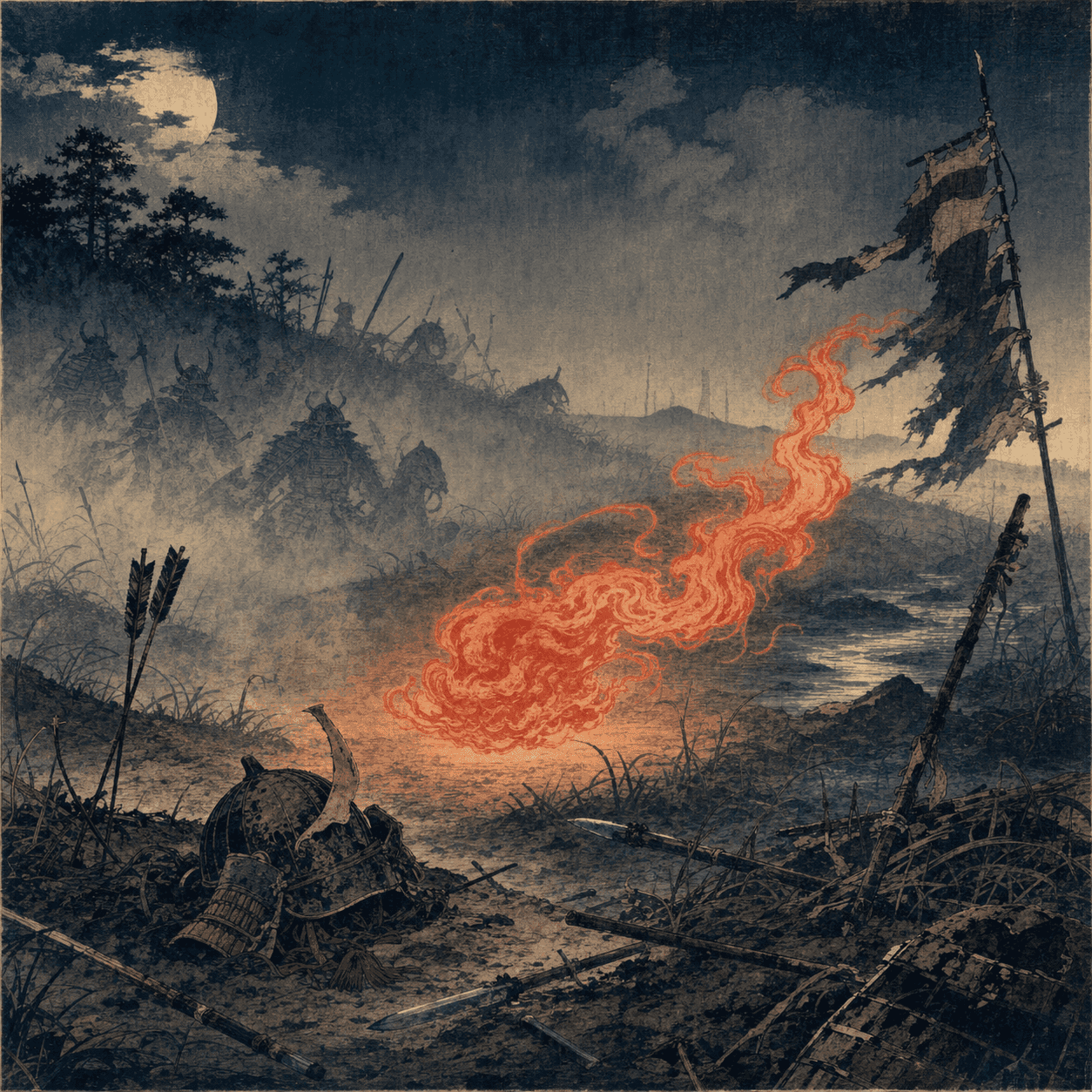
Kosenjoubi is a type of onibi, or ghost fire, that appears over old battlefields at night. The yokai is known for the mournful red flames that float across grassy plains where great battles once took place.
狐者異
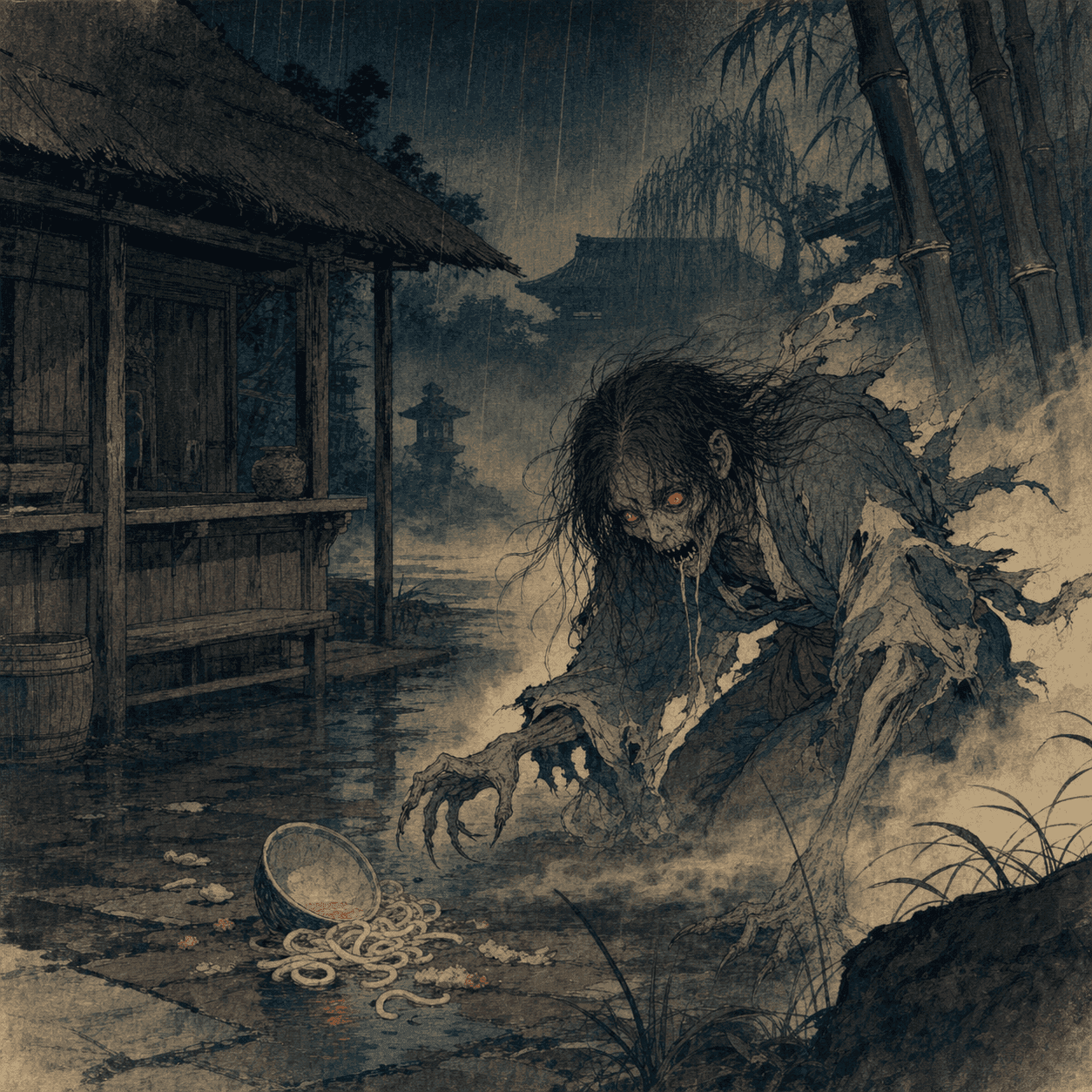
Kowai is the ghost of a glutton from late Edo folklore. It appears near food stalls and garbage heaps with an appetite that never stops.

鬼火
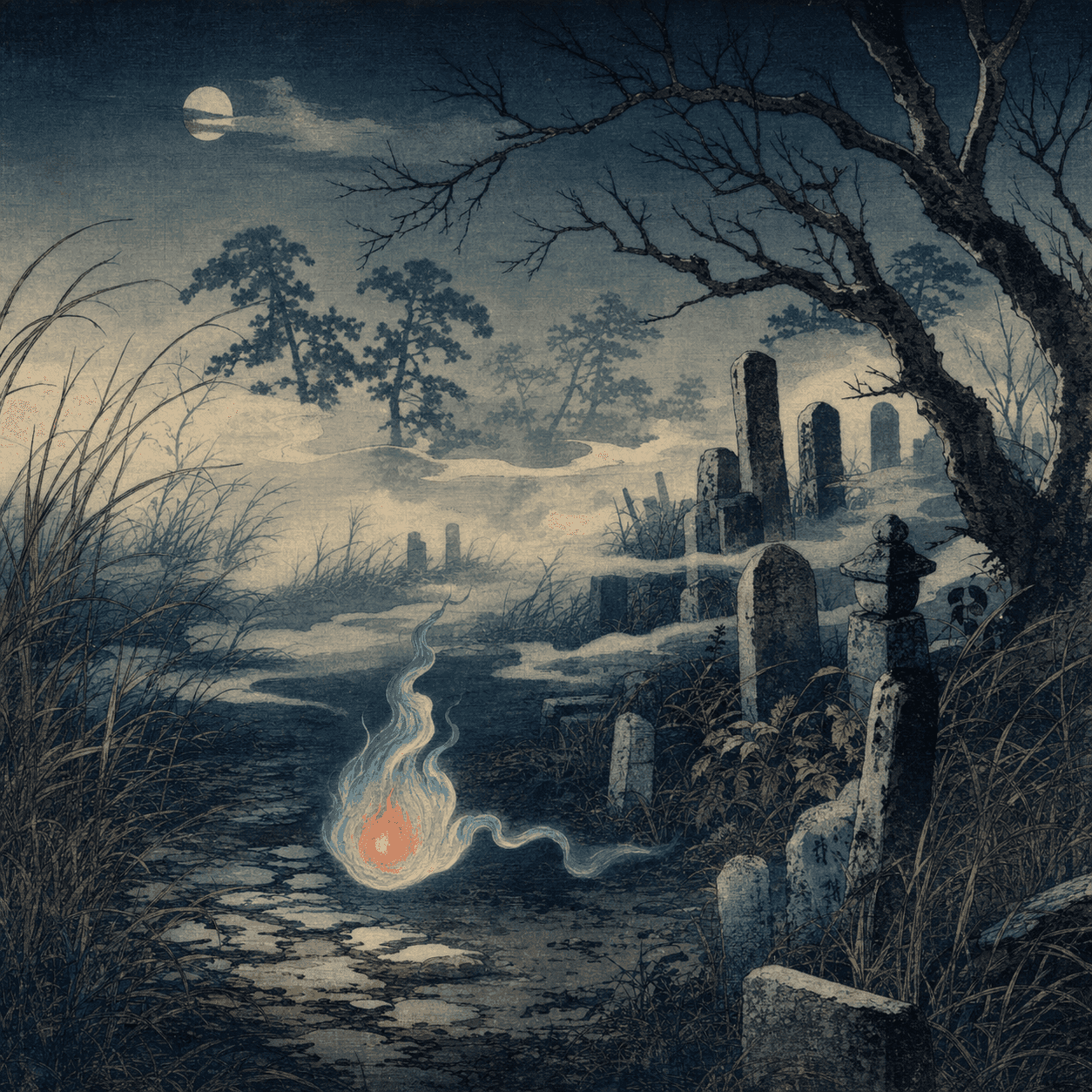
The Onibi is a deadly Japanese ghost-fire yokai that appears in graveyards and wetlands at night. It looks like a small orb of flame, usually blue or bluish-white, that stays in the air at eye level. The orbs go apart, move far away, and come together again, often in groups of twenty to thirty. Living creatures that come too close are attacked by the swarm, which steals their life force and leaves a husk on the ground. Travelers should stay on marked paths and ignore distant lights at night.
式神
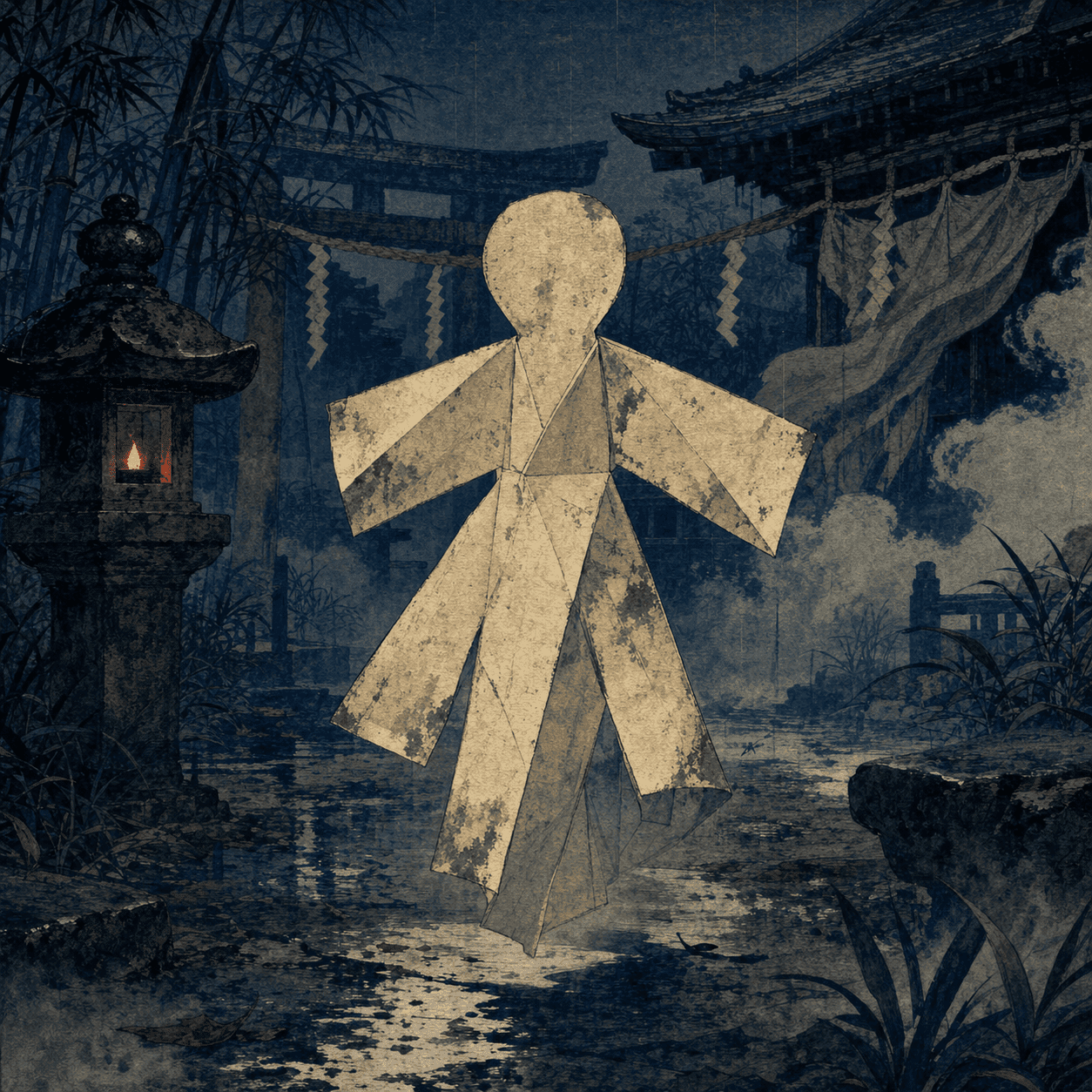
A Shikigami is a servant spirit called by an onmyouji, a Heian-period yin-yang sorcerer. The spirit follows the master's word and acts as an extension of the master's power.
菅原道真
Sugawara no Michizane was a Heian scholar who lost his life in exile and returned as one of Japan's three great vengeful spirits. He is now considered Tenjin, the god of learning.
鰐
Wani is an ancient Japanese sea dragon from the Kojiki and Nihon Shoki. It rules the oceans from coral palaces deep on the sea floor.