Amaterasu: Japan’s Sun Goddess and the Myth of the Cave
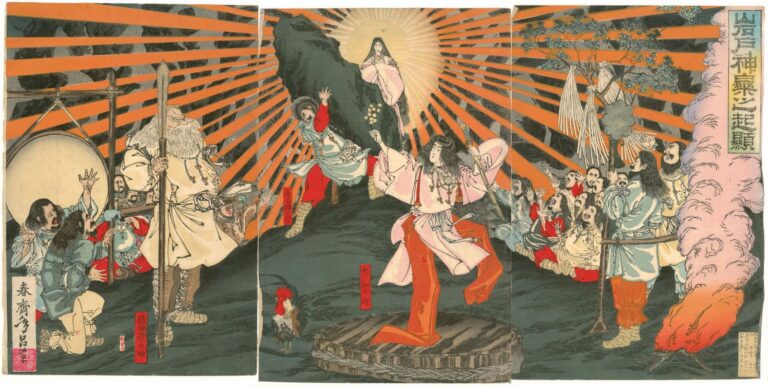
Who Amaterasu is, why she hid in the heavenly rock cave, what the three sacred treasures have to do with the emperors, and the shrine at Ise dedicated to her.
Who Amaterasu is, why she hid in the heavenly rock cave, what the three sacred treasures have to do with the emperors, and the shrine at Ise dedicated to her.
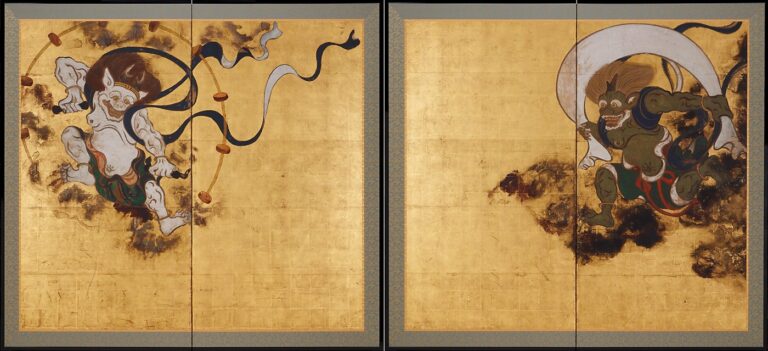
Fujin means wind god, written 風神. The deity behind the name: his birth story, his bag of winds, his brother Raijin, and his image’s Silk Road journey.
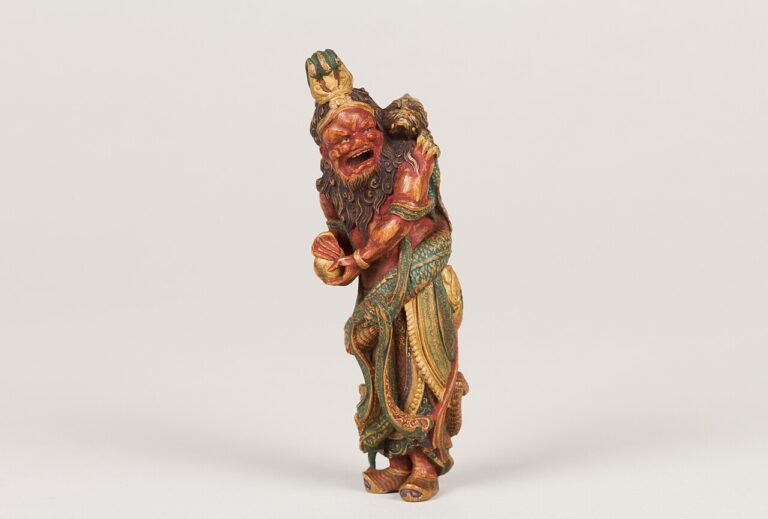
Ryujin meaning comes from two kanji: dragon and god. Here is what the name says, who the Japanese sea deity is, and how Ryujin is used today.
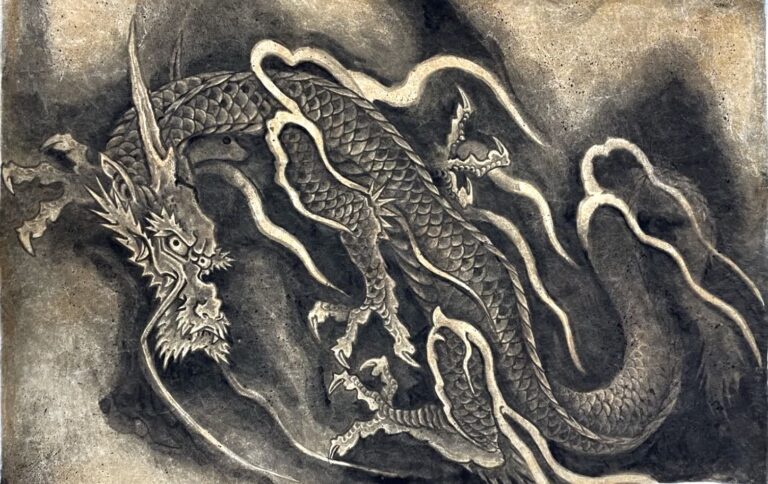
Ryujin, the dragon god of Japanese myth, rules the sea from a coral palace, commands the tide jewels, and counts Japan's first emperor among his descendants.
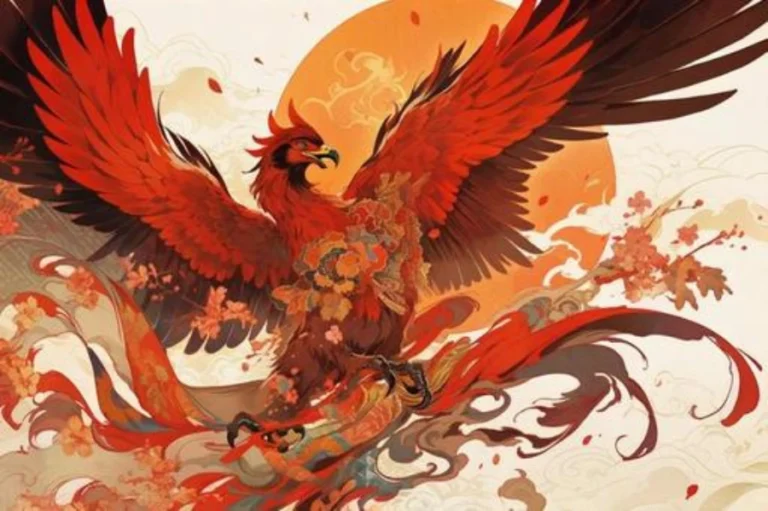
In the vast tapestry of Eastern mythology, the Four Symbols (Shijin) — four celestial beasts guarding the cardinal directions — hold a place of immense importance. Among them, Suzaku (the Vermilion Bird) reigns over the South, embodying summer, fire, and…
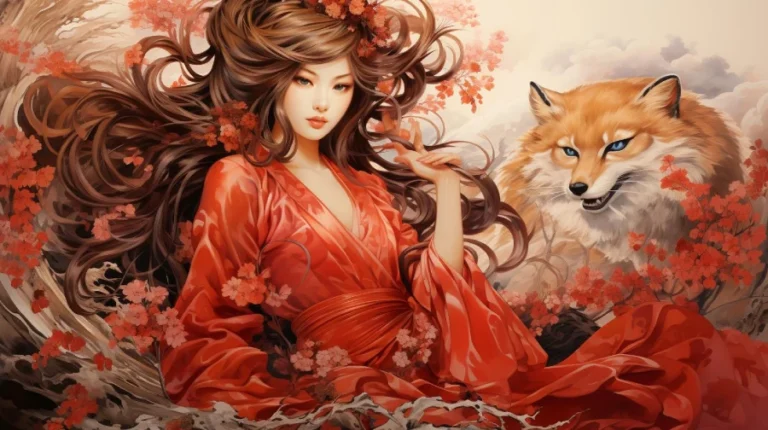
Tamamonoma, the legendary nine-tailed fox, is one of the most captivating and feared figures in Japanese mythology. Unlike fleeting yokai tales whispered in the dark, her story spans centuries and kingdoms — stretching from ancient China to India, and finally,…
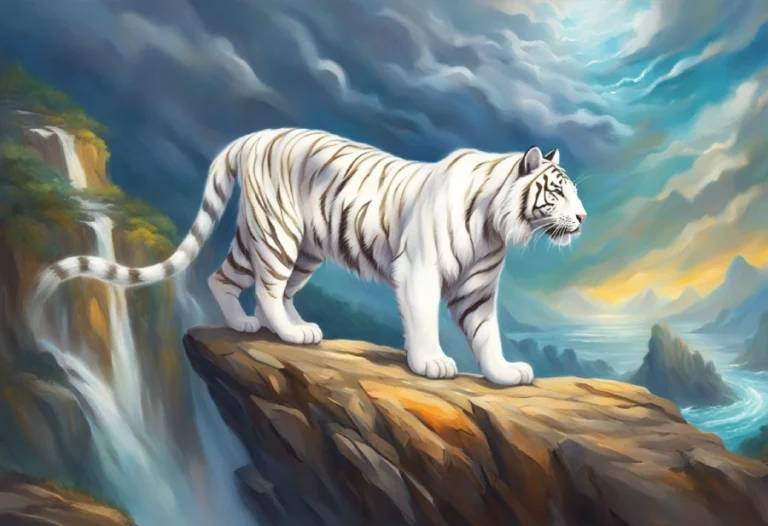
Byakko is not just a legendary figure but also a “bridge” connecting two of Asia’s great cultures — China and Japan. The image of the White Tiger of the West has transcended time, appearing in the night sky, ancient architecture,…
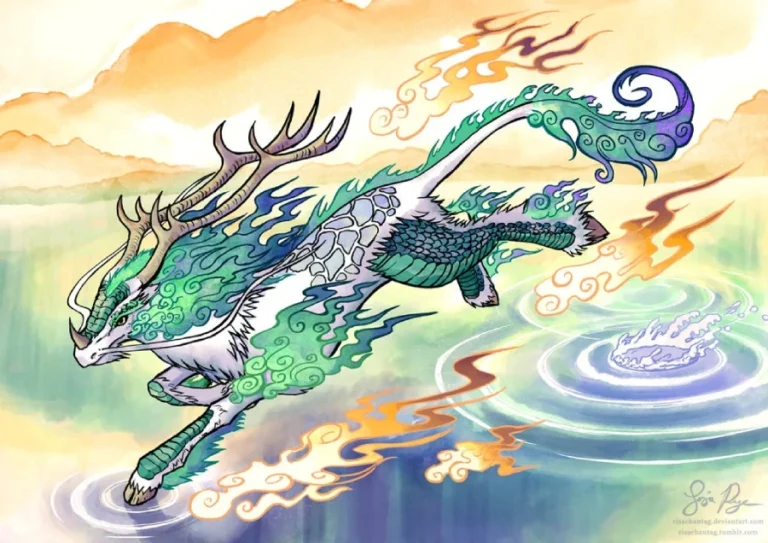
Kirin, also known as the Qilin, is one of the most revered mythical creatures in East Asia. With its stunning appearance and sacred symbolism, the Kirin has remained a powerful cultural icon for centuries. But what does the Kirin truly…