
Jirai kei brands are the Japanese fashion labels built around the jirai kei aesthetic, a landmine-style look that pairs soft, doll-like cuteness with a darker, more emotionally intense edge. The two names most associated with the style are Liz Lisa and Ank Rouge, both long-running Japanese labels, alongside multi-brand retailers like ACDC RAG in Harajuku and, for shoppers outside Japan, HoneyPepperIX. Jirai kei (地雷系, literally “landmine style”) gets its name from Japanese internet slang for someone who looks gentle on the surface but is emotionally unpredictable underneath, a description Wikipedia’s entry on jirai-kei and ryōsan-gata fashion traces back to early Japanese online forums before it became a fashion label.
What Defines the Look
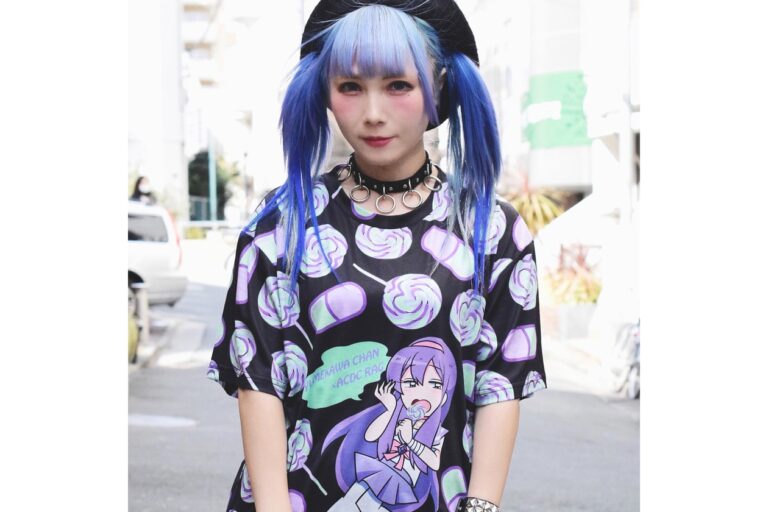
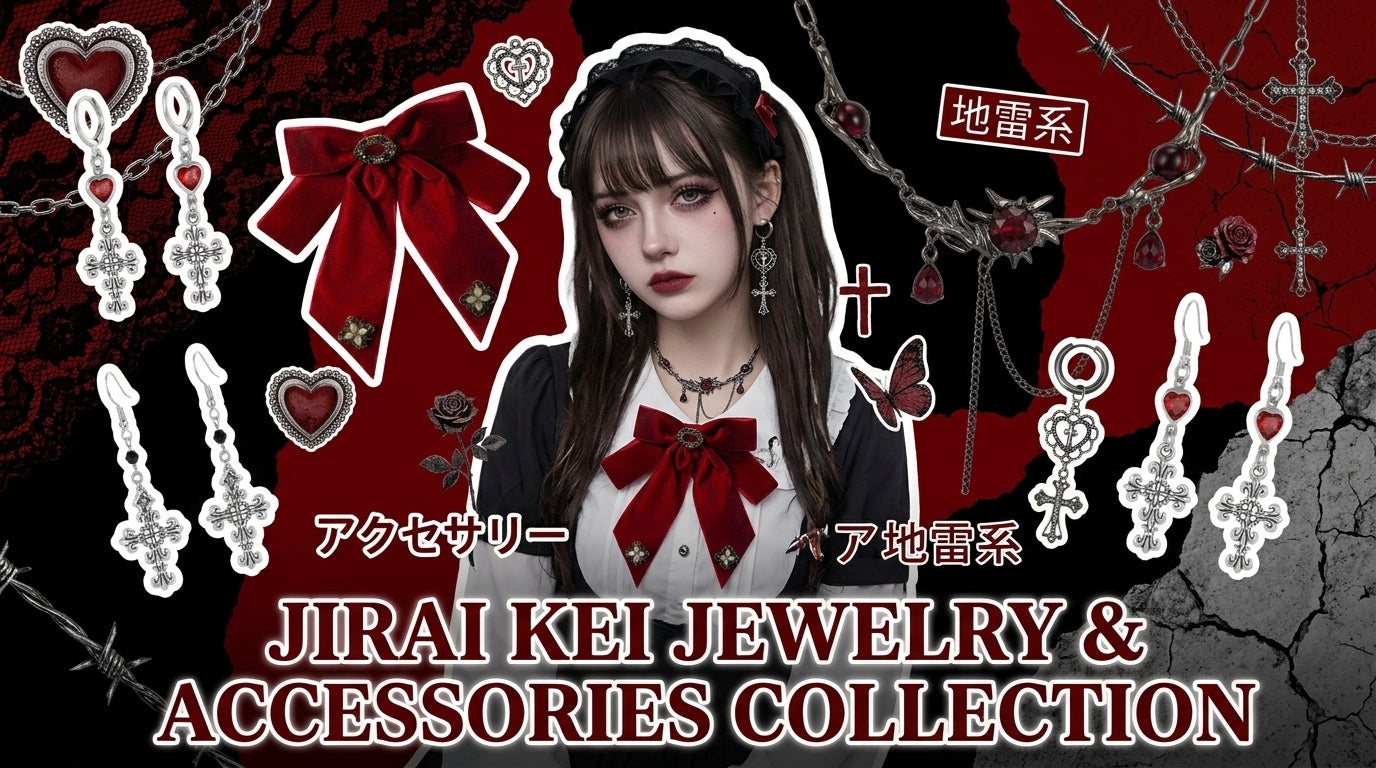
Jirai kei’s core visual markers are a black, white, and dusky-pink color palette, lace and ribbon-trimmed silhouettes, chokers and heart-shaped accessories, chunky-heeled Mary Janes or boots, and a distinctive tear-stained eyeshadow makeup technique. Together these elements are what separate an actual jirai kei piece from a generic dark-cute mashup.
- Color palette: mostly black and white with dusky or pastel pink, occasionally a touch of red or blue for contrast.
- Clothing: lace, ribbons, ruffles, and two-piece or dress silhouettes with heavy decorative detail, closer to gothic lolita‘s darker Victorian shapes than to plain streetwear, but slimmer and less structured.
- Accessories: chokers, heart-shaped buckle belts, crosses, safety pins, and other sharp-edged charms mixed in with the soft fabrics.
- Footwear: chunky-heeled Mary Janes or chunky boots, which give the silhouette a more pronounced, grounded shape.
- Makeup: red or pink eyeshadow along the lower lid for a puffy, tear-stained effect, paired with drooping eyeliner, oversized colored contacts, and a pale base.
The palette and character motifs come from the same wider kawaii fashion tradition Harajuku is known for, then push the mood somewhere darker. Kuromi, the Sanrio character with the black-and-pink punk-rabbit look, is widely treated as one of the style’s unofficial mascots.
Established Japanese Jirai Kei Brands
Liz Lisa and Ank Rouge are the two most established jirai kei brands, both running their own direct-to-consumer Japanese storefronts and predating the aesthetic’s wider popularity outside Japan. They are the closest thing the style has to household names, the kind of labels a Japanese boutique clerk would point to first if asked where the look comes from.
Newer clothing lines have launched alongside them as the trend grew through the late 2010s and into the 2020s, some from established Japanese fashion retailers adding jirai-flavored capsules rather than building a dedicated label from scratch. That mix, long-running specialists plus mainstream brands testing the aesthetic, is typical of how a Japanese street subculture matures once it moves from niche nightlife scenes into wider retail.
Where to Shop the Style
Jirai kei is sold through dedicated Japanese labels, multi-brand Harajuku stores, size-inclusive lines, and a growing number of retailers based outside Japan.
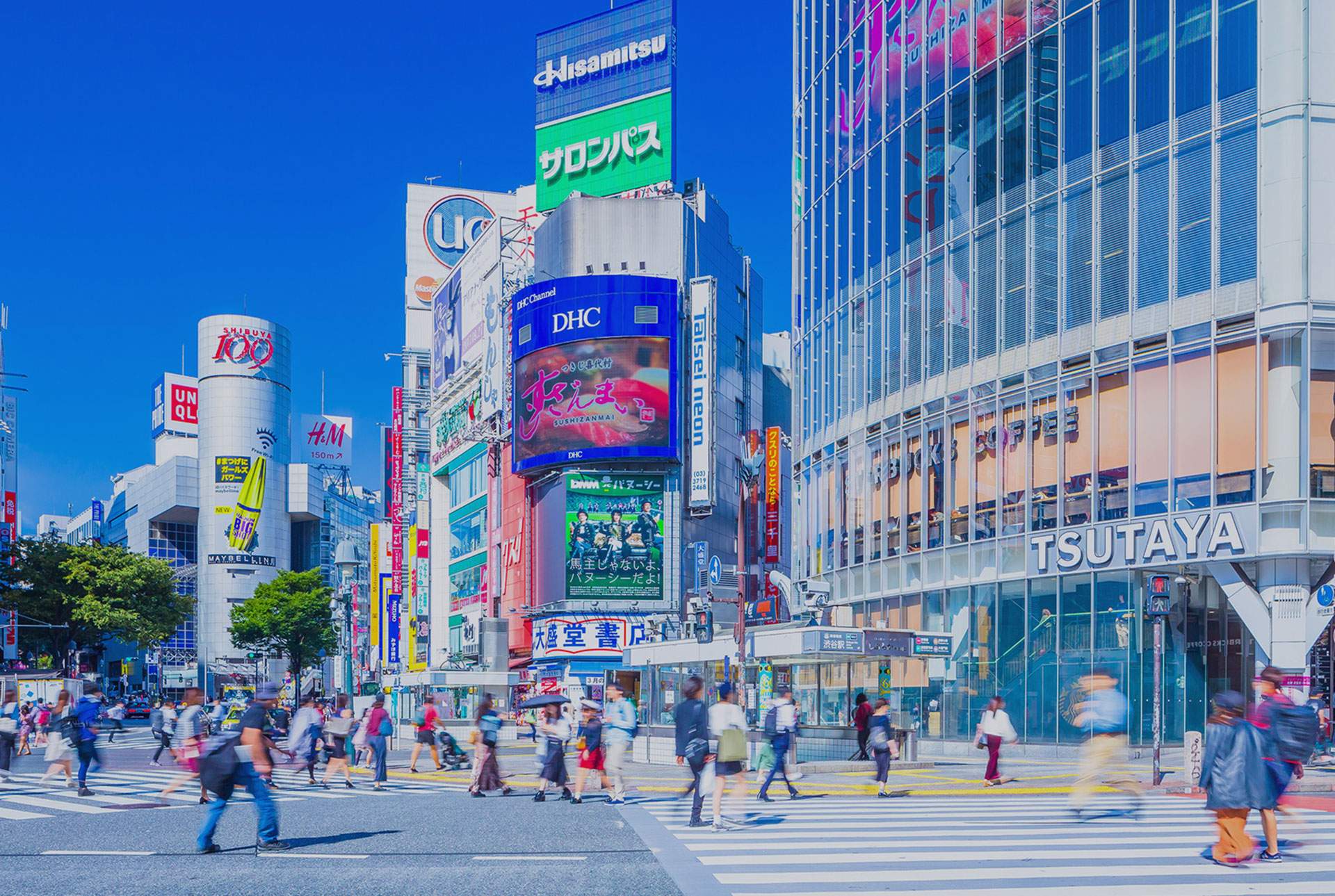
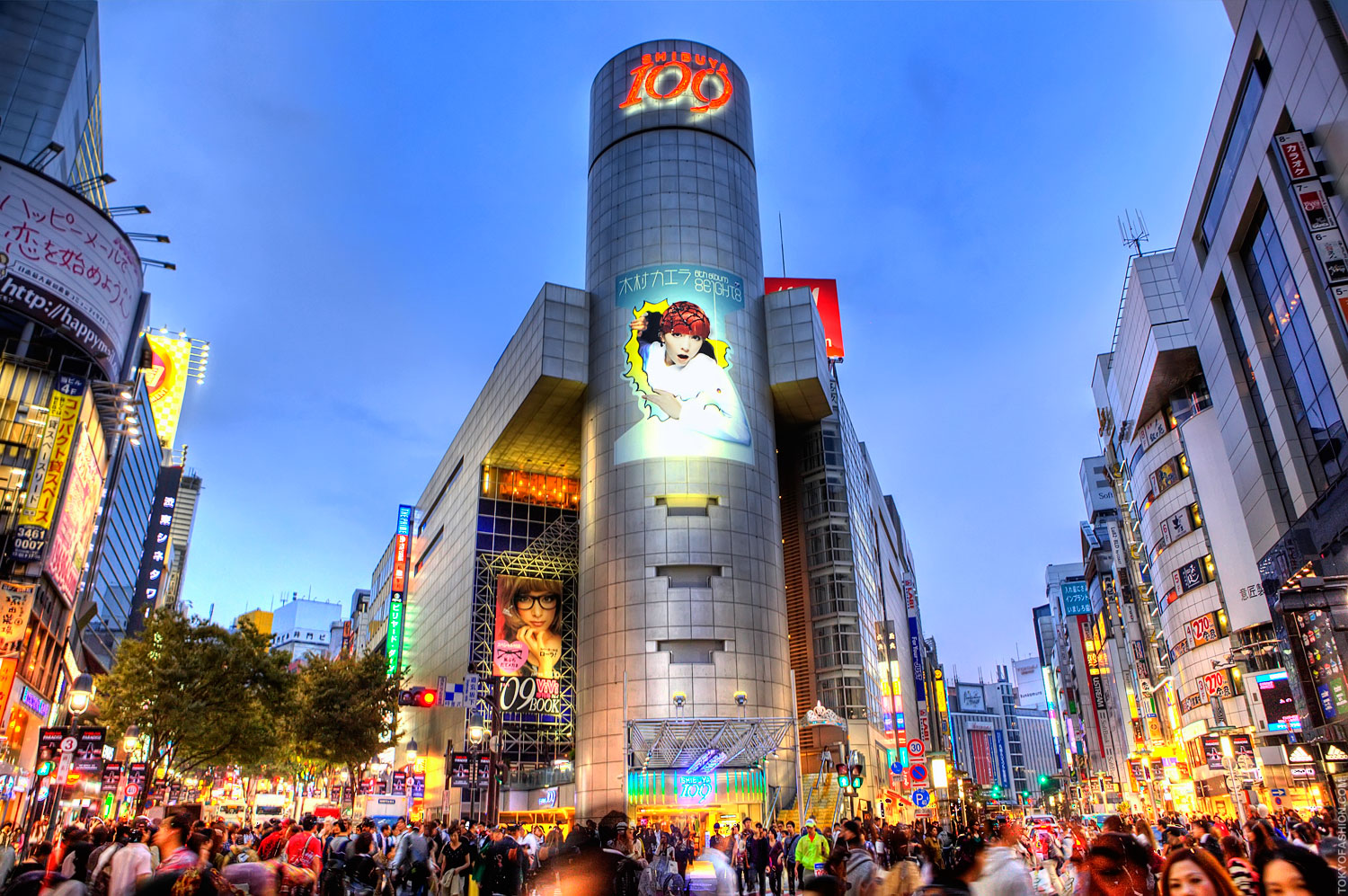
- Shibuya 109, the Tokyo shopping center long associated with youth fashion trends, has become a hub for jirai kei and related styles as more brands and product lines picked up the aesthetic.
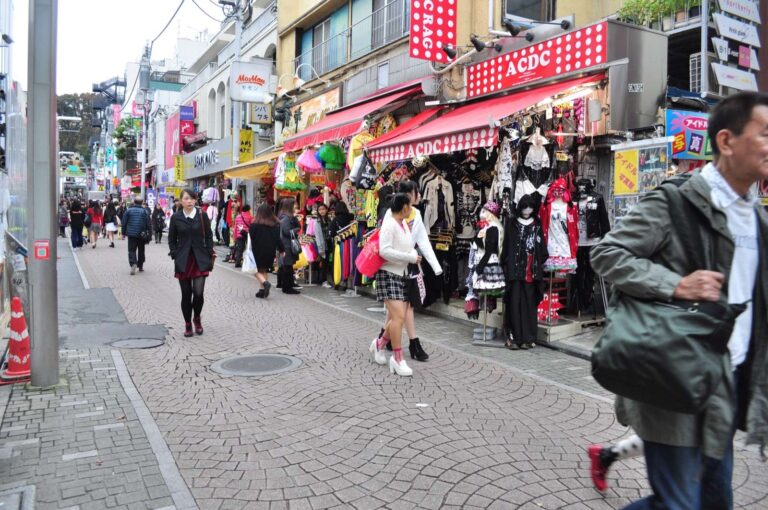
- ACDC RAG, a Harajuku multi-brand store, carries pieces that fit the jirai kei and Decora crowd alongside other alternative Japanese styles under one roof.
- Dear My Love Whip and Taberunosky’s AngeLsize line extend the look into larger sizes, filling a gap most mainstream Japanese labels leave open.
- HoneyPepperIX describes itself as the first dedicated jirai kei brand operating in North America, giving shoppers outside Japan a direct-to-consumer option instead of relying on resellers or import marketplaces.
Jirai Kei Beyond Japan
Jirai kei spread from Japanese nightlife districts to social media, then to China through platforms like Xiaohongshu and Weibo, and into Western alternative fashion scenes, where it is often compared to emo or e-girl aesthetics.
The style was first associated with Kabukichō nightlife in Tokyo before it gained traction online through street-fashion photography and fashion blogging. In China it built its own dedicated following on Xiaohongshu and Weibo. In Western scenes the comparison to emo or e-girl styling comes from a shared mix of soft prettiness and darker, more emotionally charged detailing, even though the visual specifics differ. That international spread is part of why brands built specifically for shoppers outside Japan, rather than Japanese labels shipping overseas as an afterthought, have started to matter: a dedicated North American retailer solves the sizing, shipping cost, and language barriers that make ordering directly from a Japanese boutique harder than it should be.
Building the Look
Building a jirai kei outfit means layering a dark or pastel base garment with one or two sharp accessories, such as a choker or heart buckle, and grounding the silhouette with heeled Mary Janes or boots rather than owning every piece from a single brand.
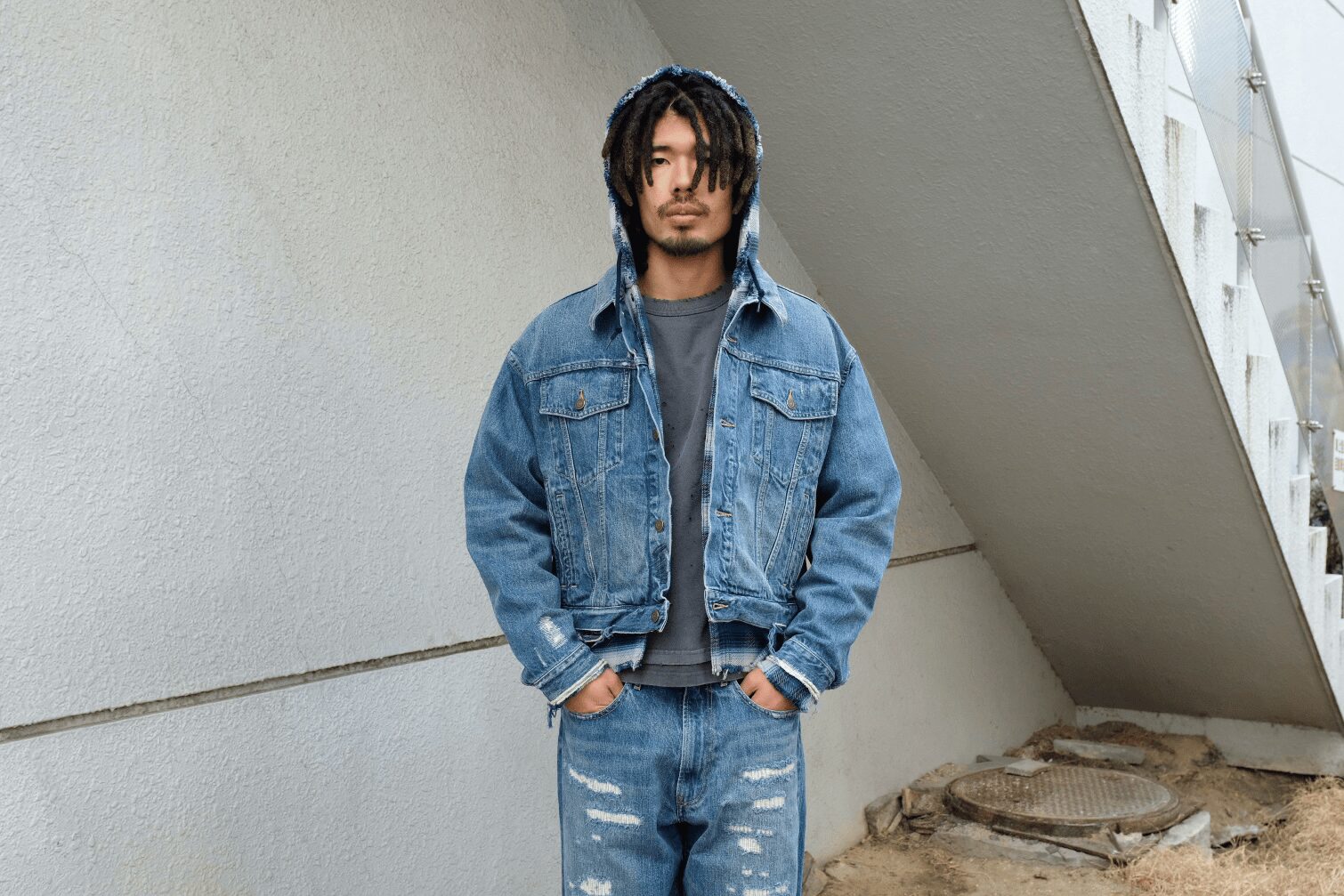
Mixing a dedicated jirai kei piece with everyday basics keeps the look wearable outside a themed event or photo shoot. A graphic tee from Kamicrew’s own lineup of Japanese streetwear brands works well as that base layer, since the darker mythology-inspired prints already lean into the same moody, contrast-driven feel jirai kei is built on. From there, a single statement accessory does more work than piling on five smaller ones.
If you want a piece that carries that same dark, motif-driven energy into your everyday wardrobe, Kamicrew’s graphic tees are built around exactly that contrast.
FAQs
Where can you buy jirai kei clothes?
Established labels like Liz Lisa and Ank Rouge sell directly through their own Japanese storefronts, Harajuku multi-brand stores like ACDC RAG stock pieces in person, and shoppers outside Japan can go through a dedicated retailer like HoneyPepperIX rather than importing through a reseller.
What is the most well-known jirai kei brand?
Liz Lisa and Ank Rouge are the two names that come up most often, both considered among the oldest and most established labels associated with the style.
Is jirai kei fast fashion?
Not inherently. The core brands built around the aesthetic, like Liz Lisa and Ank Rouge, are boutique-style Japanese labels rather than mass-market fast fashion. Some wearers do turn to fast-fashion retailers for affordable basics to layer underneath, but the dedicated jirai kei labels themselves are positioned as specialty fashion, not disposable clothing.
Is there a male version of jirai kei?
Yes. Men who participate in the style are sometimes called jirai danshi, or “landmine boys,” and the look shifts toward edgier styling with silver accessories, brooches, and more dramatic makeup rather than mirroring the women’s silhouette directly.
Kamicrew Best Seller

Dont Touch Me Yokai Ukiyo-E Japanese T-Shirt
$25.49+
$29.99
(15% off)


Summer Vibes Salty Kawaii Japanese Hoodie
$44.99+
$49.99
(10% off)


Japanese Pin Horror 80s Retro Aesthetics T-Shirt
$25.49+
$29.99
(15% off)


El Gran Maja Japanese Kaiju T-Shirt
$25.49+
$29.99
(15% off)


Who Wants The Perfect Body Japan Capybara Kawaii Japanese Unisex Shirt
$25.49+
$29.99
(15% off)


Monster 8 Mask Vintage Animal Hoodie
$44.99+
$49.99
(10% off)


I Hate People Japanese Opossum Vintage Animal Hoodie
$44.99+
$49.99
(10% off)


I Got That Dog In Me Small Turtle Vintage Animal T-Shirt
$25.49+
$29.99
(15% off)

The Creation Of Cat Ukiyo-E Japanese T-Shirt
$25.49+
$29.99
(15% off)