

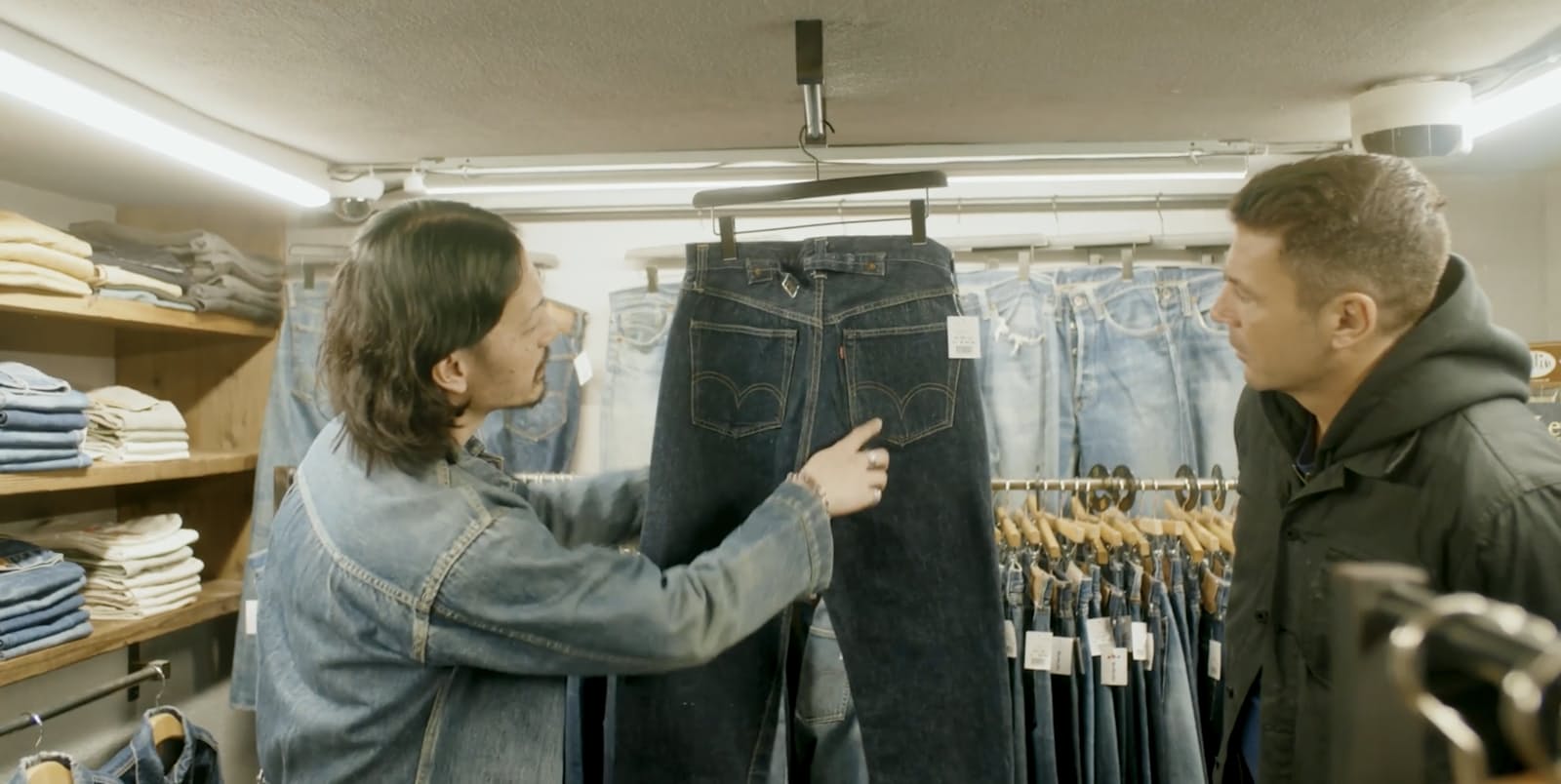
Amekaji is the Japanese interpretation of American casual clothing, assembled from denim jeans, military surplus, workwear and Ivy League collegiate pieces, and rebuilt in Japan with close attention to fabric, construction and the way a garment ages. The word contracts “American” and “casual,” and it was first used in Japan in the 1960s for men’s fashion drawn from American vintage, preppy and workwear styles. What separates amekaji from ordinary American dressing is the research behind it: Japanese enthusiasts collected the originals, took them apart, catalogued the fabrics and then made them again.
What Amekaji Means
Amekaji means American casual, and in practice it names the Japanese version of that wardrobe. Ametora, a closely related term, covers the American Traditional or collegiate end of the same borrowing. Amekaji works as the broader umbrella, with ametora sitting inside it.
| Term | What it covers | Wardrobe center |
|---|---|---|
| Amekaji | American casual style in Japan, broadly | Denim, workwear, military surplus |
| Ametora | American Traditional style in Japan | Ivy League and preppy pieces |
One point of confusion is worth settling early. The same word also names a bright, heavily layered substyle of gyaru fashion that was popular in the late 1990s and early 2000s, closer in spirit to American West Coast streetwear and part of a different thread in 90s Japanese fashion. That reading of amekaji is a separate lineage from the menswear one traced here. Amekaji is also not a synonym for Japanese casual fashion in general, which covers a far wider range of everyday dressing with no American source material behind it.
How American Clothes Reached Postwar Japan
American clothes reached Japan secondhand and out of context, which left room for interpretation. Jeans and other cast-off American garments were turning up decades after the war in the same markets young Japanese shoppers already browsed, and those shoppers came to them holding a picture of American dress assembled at a distance, from Western films and from the collegiate Ivy League look that circulated in Japan through the late 1950s and into the 60s.
Labels devoted to rebuilding “Aibii,” the Japanese rendering of Ivy, followed. The most institutional of them was VAN Jacket, run by Kensuke Ishizu and in business from 1951. W. David Marx, who wrote Ametora: How Japan Saved American Style, describes a generation working from documentation rather than from firsthand exposure: the photo book Take Ivy, and domestic men’s magazines such as Men’s Club and Popeye, which broke American dress down into rules their Japanese readers could actually follow.
Take Ivy shows how methodical the borrowing was. It was published in Japan in 1965, and its photographs were shot on the campuses of America’s elite Ivy League universities between 1959 and 1965 by four Japanese sartorial enthusiasts: Teruyoshi Hayashida, Shosuke Ishizu, Kurosu Toshiyuki and Hajime Hasegawa. Kurosu had joined VAN Jacket in 1961, and Hasegawa joined the company after finishing his studies in the United States in 1963, so the book doubled as an in house study of the clothes the label wanted to sell. It has since sold more than 50,000 copies worldwide.
The Vintage Hunters Who Treated Old Clothes as Research
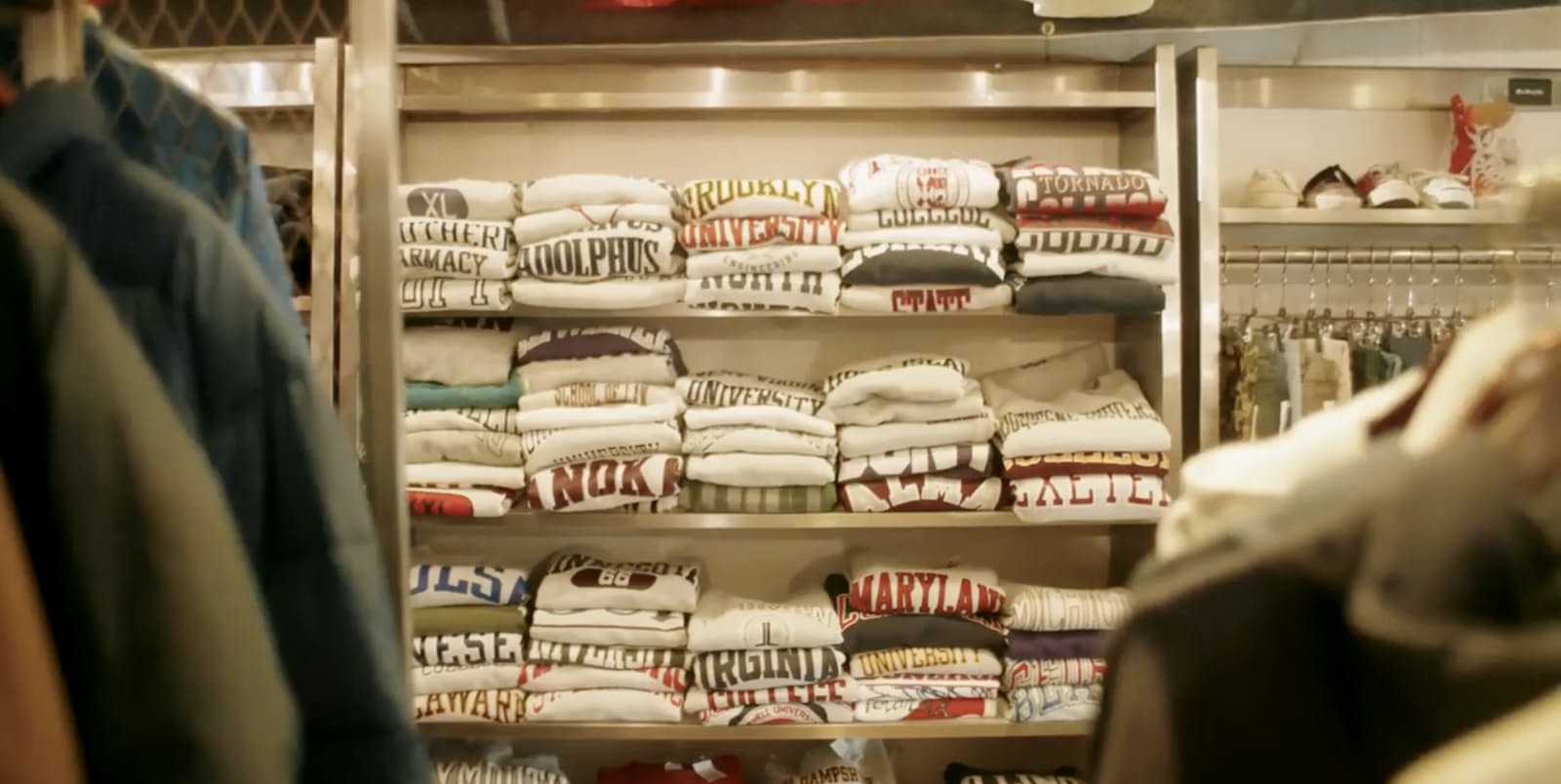
Amekaji’s supply of originals started with individual buyers. A handful of Japanese collectors, Hitoshi Tsujimoto among them in the years before he founded The Real McCoy’s, flew to the United States with their luggage deliberately empty and came home with it packed: jeans, surplus military jackets, Oxford cloth button downs, knitwear carrying American university names. All of it went onto the racks of the vintage shops those same buyers ran back in Japan.
What happened to those garments afterwards mattered more than the trade itself. Most of what came back was kept rather than worn out and discarded, studied closely, and eventually reproduced, which turned a resale business into something much closer to a reference library.
Why Japanese Denim Sits at the Center of Amekaji
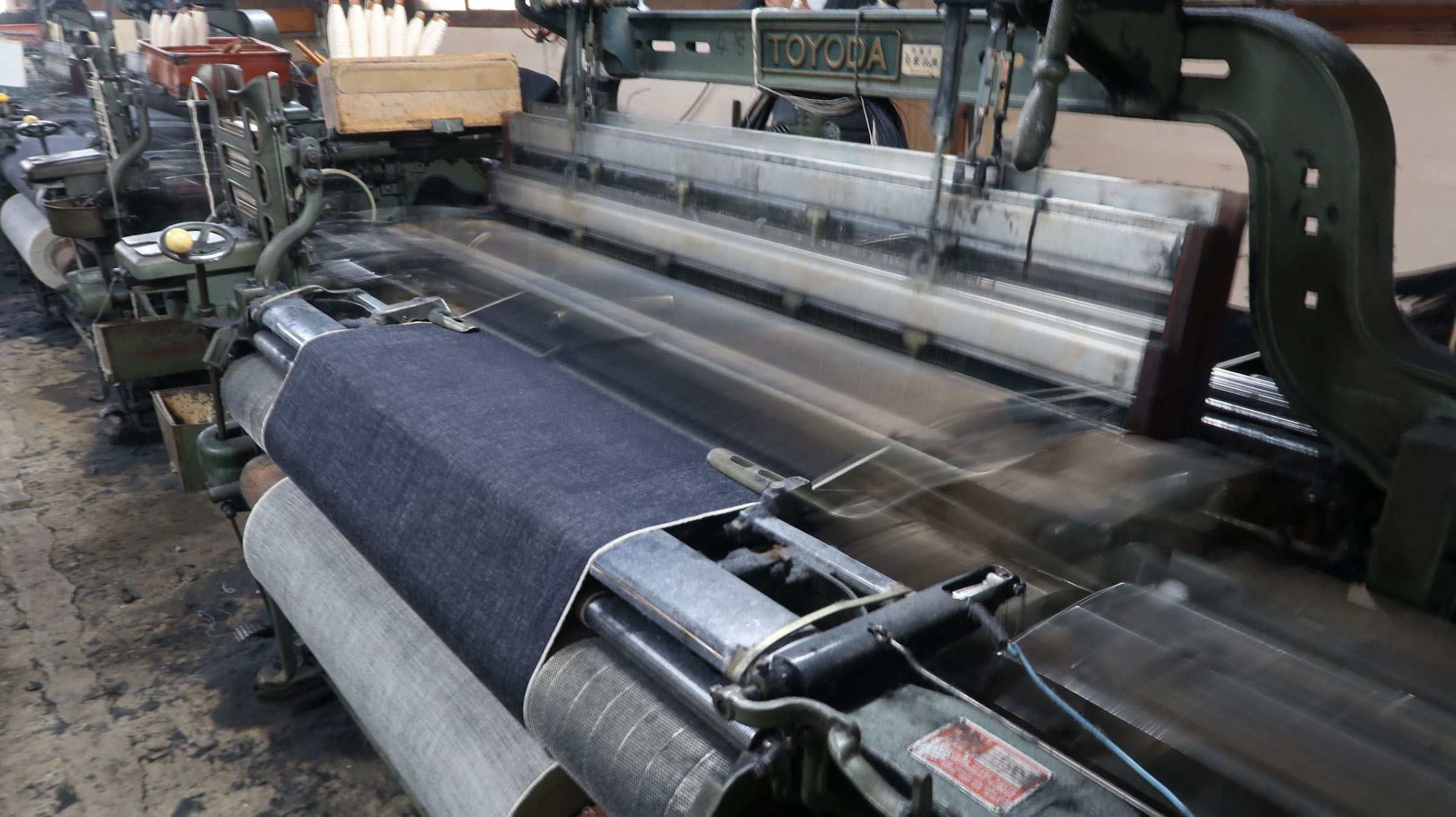
Japanese denim sits at the center of amekaji because Japan began weaving its own. Imported American denim had become hard to get hold of by the start of the 1970s while domestic appetite for it held steady, and the first denim brand made wholly in Japan appeared to close exactly that gap. Once the cloth could be woven at home, reinterpreting it no longer depended on what happened to arrive from abroad.
Selvedge production, meanwhile, was winding down in American mills across the 1980s. Five brands out of Kansai, remembered collectively as the Osaka Five, moved toward it in that same decade. Their founders (the Shiotani brothers behind Warehouse, Full Count’s Mikiharu Tsujita, and Yoshiyuki Hayashi of Denime and later Resolute) built up personal archives of old denim spanning the 1800s through the 1960s, then set about reproducing it as exactly as they could manage: not only how the cloth was woven and cut, but how it wore thin and lost its indigo.
The Garments That Build an Amekaji Wardrobe
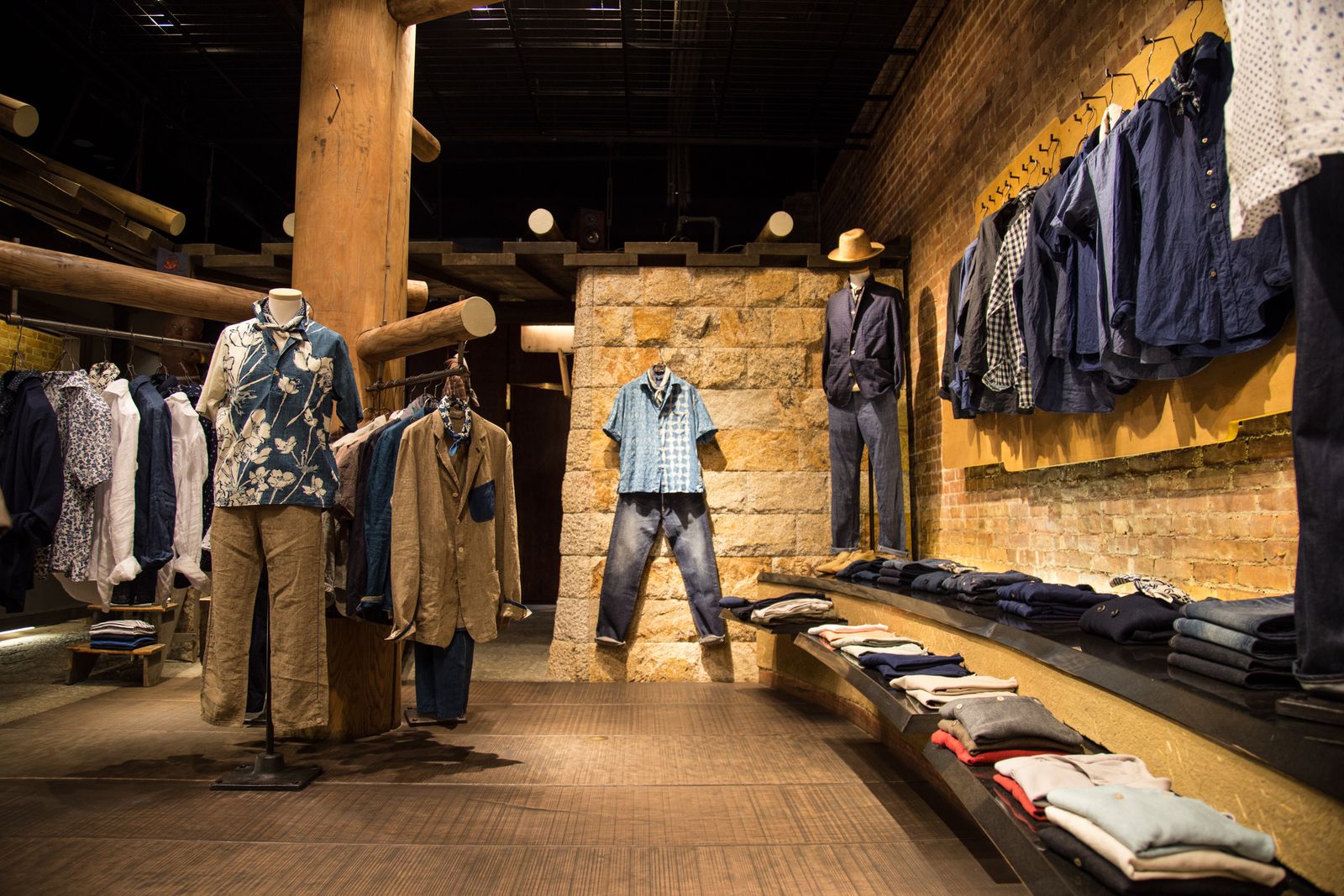
An amekaji wardrobe runs on a narrow and repeating set of garments rather than seasonal pieces. Denim, military surplus and American collegiate knitwear form the base, with workwear layered over the top. These are the pieces the style keeps returning to:
- Denim jeans, ideally selvedge woven, worn long enough for the indigo to fade unevenly
- Military surplus jackets
- Oxford cloth button down shirts
- Sweaters and sweatshirts carrying American university names
- Chore jackets
- Utility and work shirts
- Henleys and heavyweight cotton long sleeve tees
Nothing on that list is technical or seasonal. An amekaji wardrobe gets assembled slowly, and the garments are chosen for fabric, fit and character rather than for a trend, on the assumption that they will look better after a few years of wear than they did on the first day.
How Amekaji Wears American Clothes Differently
Amekaji departs from American dressing most visibly in the fit. The proportions have tended to run opposite to whatever America was doing at the time: what sat baggy on a US campus got taken in by a tailor in Japan, and once Western casualwear turned slim, Japanese wearers let the same garments hang loose again. The source material stayed American while the proportions kept moving.
That habit of reading a garment closely and then adjusting it is the through line between amekaji and the wider world of Japanese streetwear brands, which apply the same archival instinct to entirely different source material.
FAQs
What does amekaji mean?
Amekaji is a contraction of “American” and “casual.” The term was first used in Japan in the 1960s for men’s fashion drawn from American vintage, preppy and workwear styles.
Is amekaji the same as ametora?
They are closely related but not identical. Amekaji covers American casual style in Japan broadly, while ametora refers specifically to the American Traditional, collegiate end of it.
What clothes count as amekaji?
The core is jeans, military surplus jackets, Oxford cloth button down shirts, and sweaters or sweatshirts carrying American university names, with chore jackets, utility shirts, henleys and heavyweight cotton long sleeve tees layered around them. Selvedge woven denim is the piece the style is most closely identified with.
Is amekaji a gyaru style?
The name is also used for a gyaru substyle that was popular in the late 1990s and early 2000s, built on bright colours, heavy layering and prominent logos. That is a separate lineage from the menswear amekaji described here, even though both borrow the same phrase.
Why is Japanese denim so important to amekaji?
Because Japan started weaving it. The first denim brand made wholly in Japan appeared in the early 1970s, and in the 1980s the Osaka Five took up selvedge weaving at the point American mills were abandoning it, which kept both the fabric and the older looms in use.
Kamicrew does not make reproduction denim, and anyone chasing an exact 1950s repro will go to the specialists for it. What overlaps is the layer worn on top: Kamicrew’s sweatshirts and graphic pieces sit in the same relaxed casual vocabulary, with Japanese motifs where an American college print would sit.
Kamicrew Best Seller

Dont Touch Me Yokai Ukiyo-E Japanese T-Shirt
$25.49+
$29.99
(15% off)


Summer Vibes Salty Kawaii Japanese Hoodie
$44.99+
$49.99
(10% off)


Japanese Pin Horror 80s Retro Aesthetics T-Shirt
$25.49+
$29.99
(15% off)


El Gran Maja Japanese Kaiju T-Shirt
$25.49+
$29.99
(15% off)


Who Wants The Perfect Body Japan Capybara Kawaii Japanese Unisex Shirt
$25.49+
$29.99
(15% off)


Monster 8 Mask Vintage Animal Hoodie
$44.99+
$49.99
(10% off)


I Hate People Japanese Opossum Vintage Animal Hoodie
$44.99+
$49.99
(10% off)


I Got That Dog In Me Small Turtle Vintage Animal T-Shirt
$25.49+
$29.99
(15% off)

The Creation Of Cat Ukiyo-E Japanese T-Shirt
$25.49+
$29.99
(15% off)