The Regional Landscape Print

Kansai

Region

関西

🗻Landscape Missing
Fig 1. View of the provinceUkiyo-e Archives

Cradle of Tradition

The cultural heartland where countless yokai legends were born

Kansai Knowledge

Kansai (or Kinki) is the historical and cultural heart of Japan. Home to current and former capitals like Kyoto, Nara, and Osaka, it is the birthplace of traditional Japanese high culture. It offers a sophisticated blend of Zen temples, merchant energy, and spiritual mountains.

History & Legends

For over a millennium, Kansai was the center of imperial power. Nara became the first permanent capital in 710, followed by Kyoto (Heian-kyo) in 794, which remained the capital until 1868. This long history as the political center fostered the development of Buddhism, tea ceremony, and traditional arts.

Cultural Heritage

Kansai people are known for their distinct dialect (Kansai-ben) and outgoing nature, particularly in Osaka. The region is the origin of Geisha culture, Noh theater, and Kaiseki dining. Osaka is famously known as 'Japan's Kitchen,' celebrating a food culture that contrasts with Kyoto's refined courtly cuisine.

Geography

The region is defined by the Seto Inland Sea to the south and Lake Biwa—Japan's largest lake—in the center. It consists of several basins surrounded by mountains, providing natural defense and distinct local climates.
Chronicles of the Land

794

Capital moves to Heian-kyo

Emperor Kammu moves the capital to Kyoto, beginning the Heian Period.

1467

Onin War

A civil war that destroys much of Kyoto and triggers the chaotic Sengoku period.

1583

Building of Osaka Castle

Toyotomi Hideyoshi begins construction of the massive fortress that would become a symbol of Osaka.

Spirits of Kansai

菅原道真

Sugawara no Michizane

菅原道真

Sugawara no Michizane is a powerful god, known for controlling storms, and is often found in Tenmangu shrines.

tag-godtag-ghosttag-lightning
Kansai
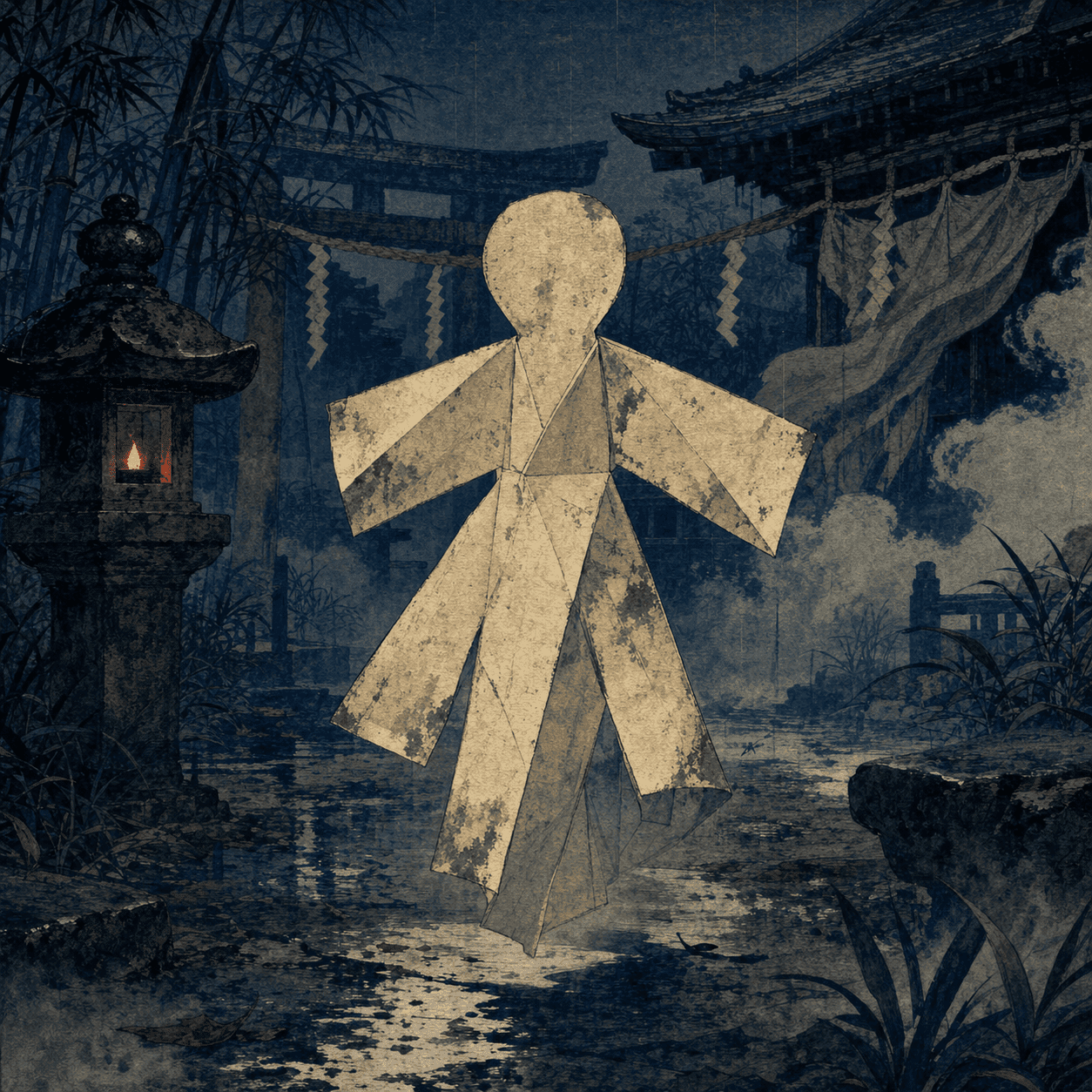
式神

Shikigami

式神

Shikigami is a summoned servant, known for obeying onmyoji masters, and is often found in rituals.

tag-servanttag-magictag-spirit
Kansai
荼枳尼天

Dakini

荼枳尼天

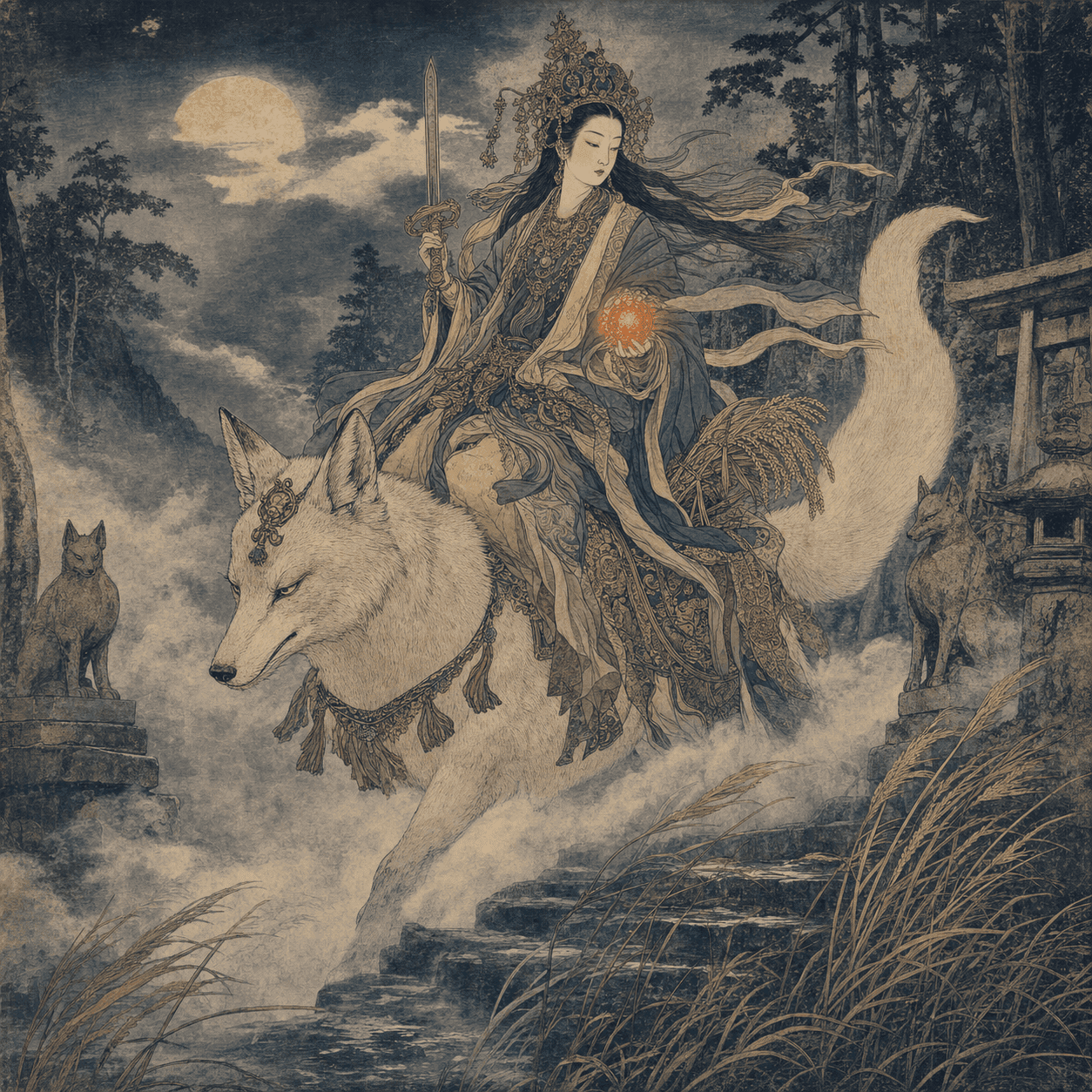
Dakini is a powerful deity, known for riding white foxes, and is often found in Inari shrines.

tag-godtag-foxtag-magic
Kansai
茨木童子

Ibaraki Doji

茨木童子

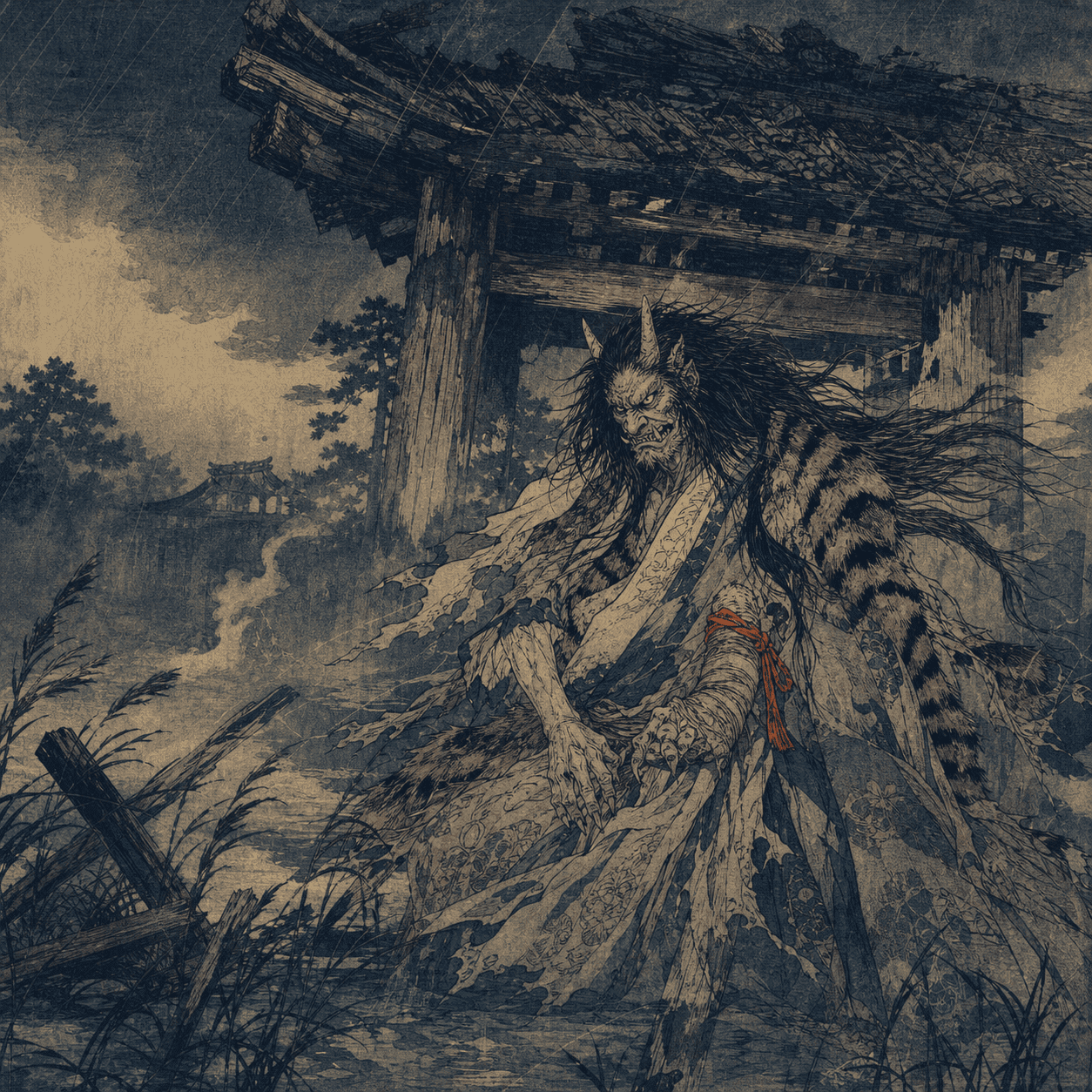
Ibaraki Doji is a powerful oni, known as the deputy of Shuten Doji, and is often found on Mount Oe.

tag-demontag-violenttag-leader
Kansai
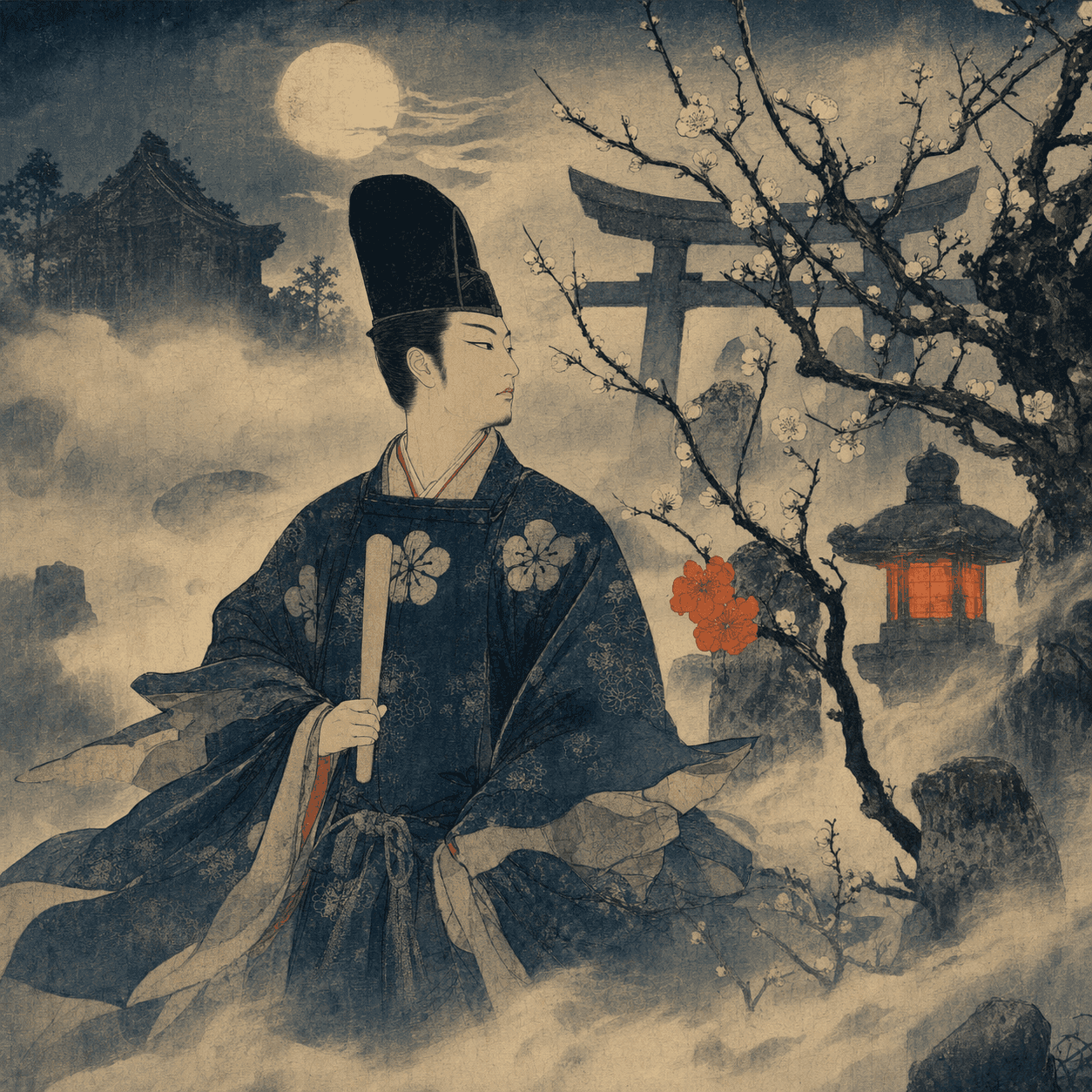
Abe no Seimei

Abe no Seimei

安倍晴明

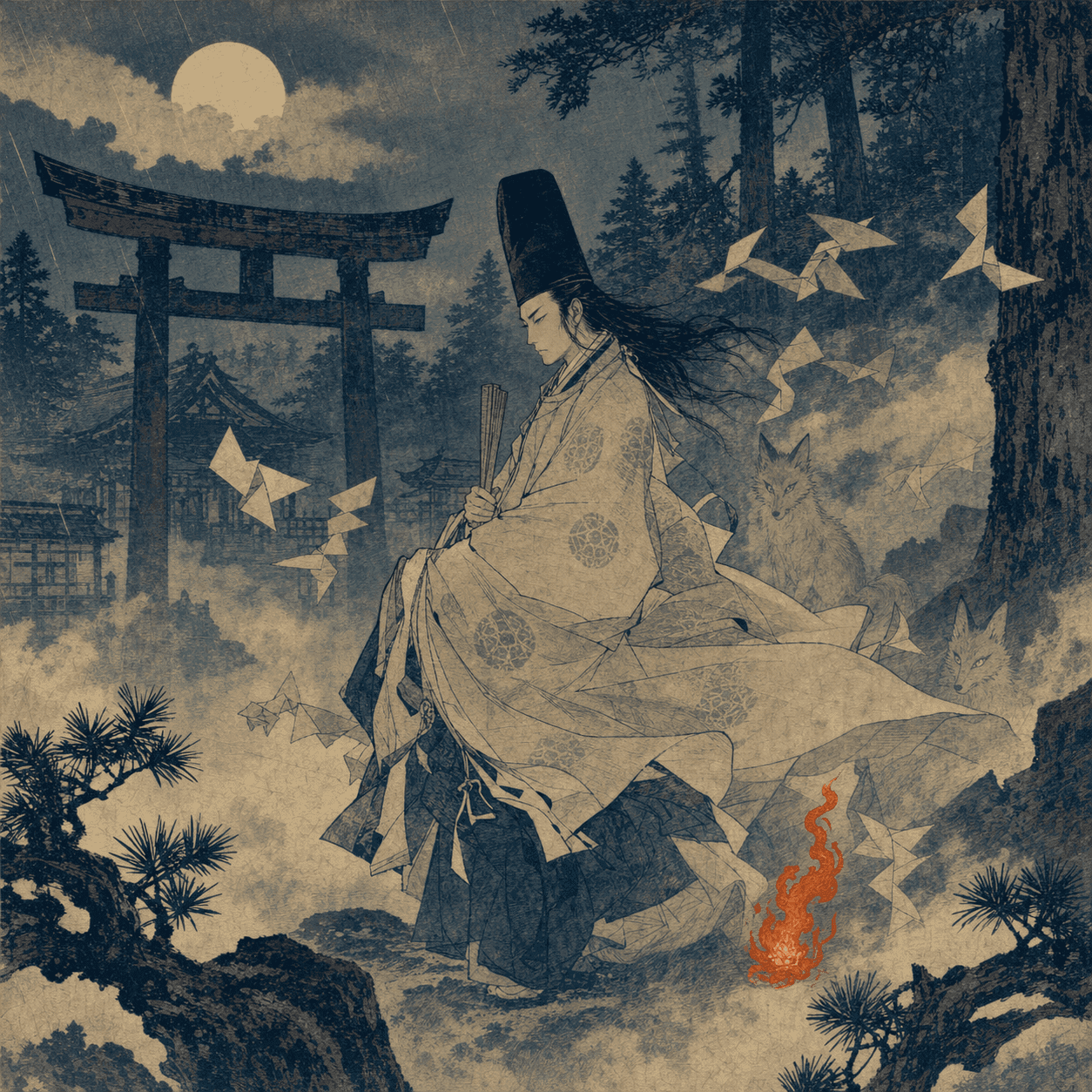
Abe no Seimei was a real historical figure who served as an onmyoji (spiritual advisor) to the emperors of the Heian period. In folklore, he is the Japanese equivalent of Merlin—a powerful sorcerer born of a human father and a kitsune (fox) mother. He is the most famous occultist in Japanese history.

tag-humanoidtag-wisetag-protective
Kansai
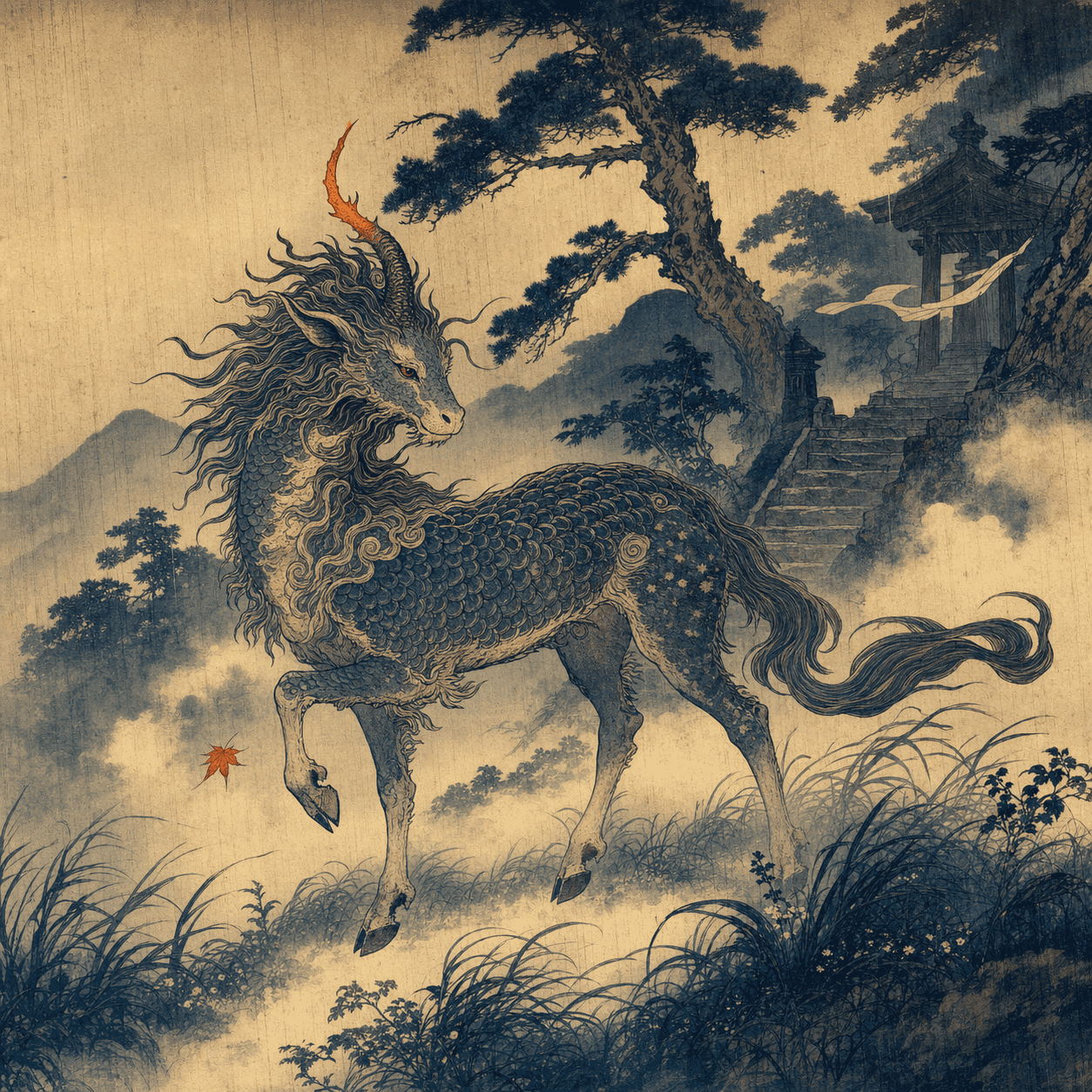
Kirin

Kirin

麒麟

The Kirin is one of the most sacred divine beasts in Japanese mythology. It appears only during times of great peace or to herald the birth of a sage. It is considered more divine than even dragons or phoenixes.

tag-divinetag-celestialtag-benevolent
KantoKansai
Aka Manto

Aka Manto

赤マント

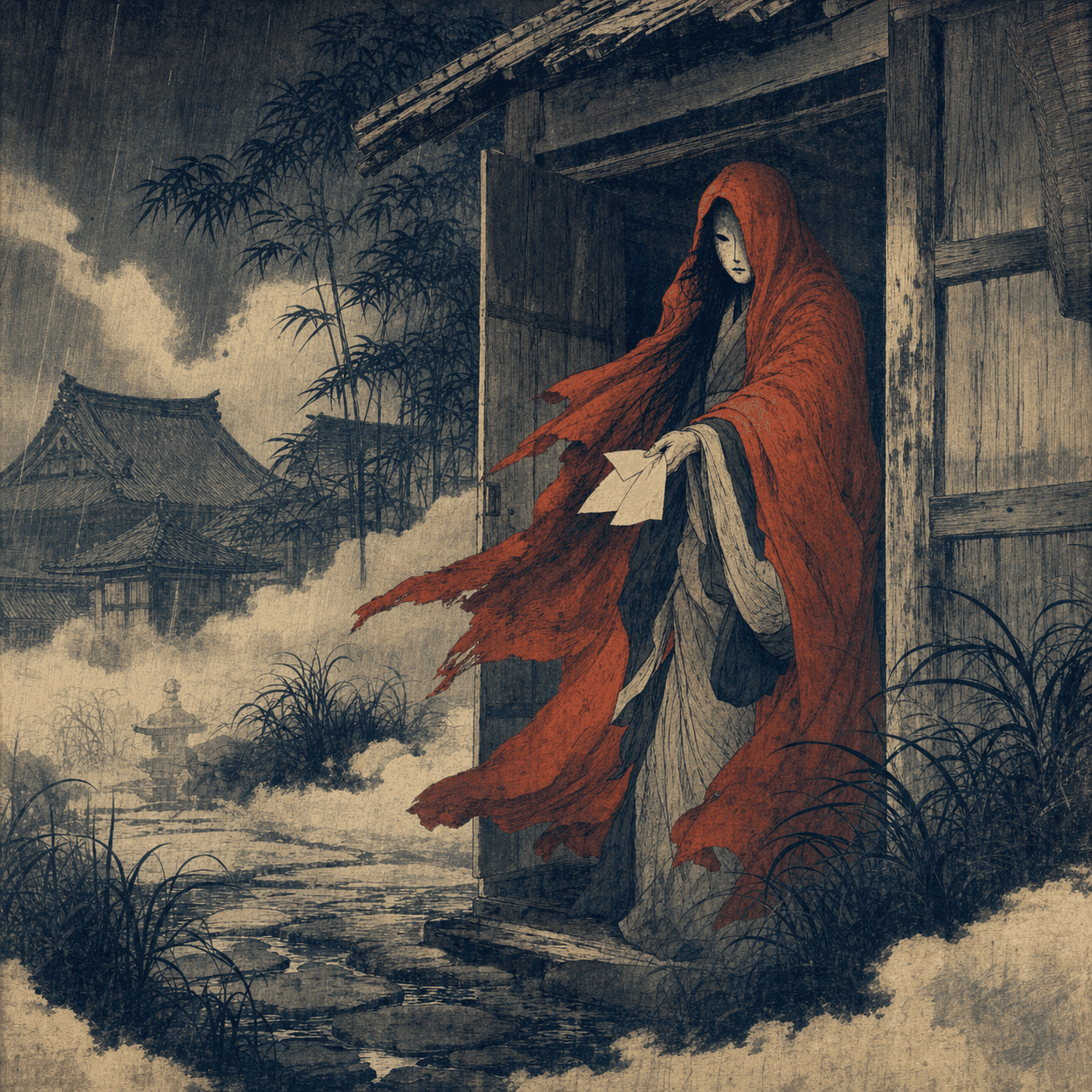
Aka Manto is a famous Japanese urban legend about a malicious spirit that haunts public toilets and school bathrooms. He asks occupants a trick question: 'Red paper or blue paper?' The answer determines their gruesome fate.

tag-urbantag-dangeroustag-ghost
KantoKansai
Itsumade

Itsumade

以津真天

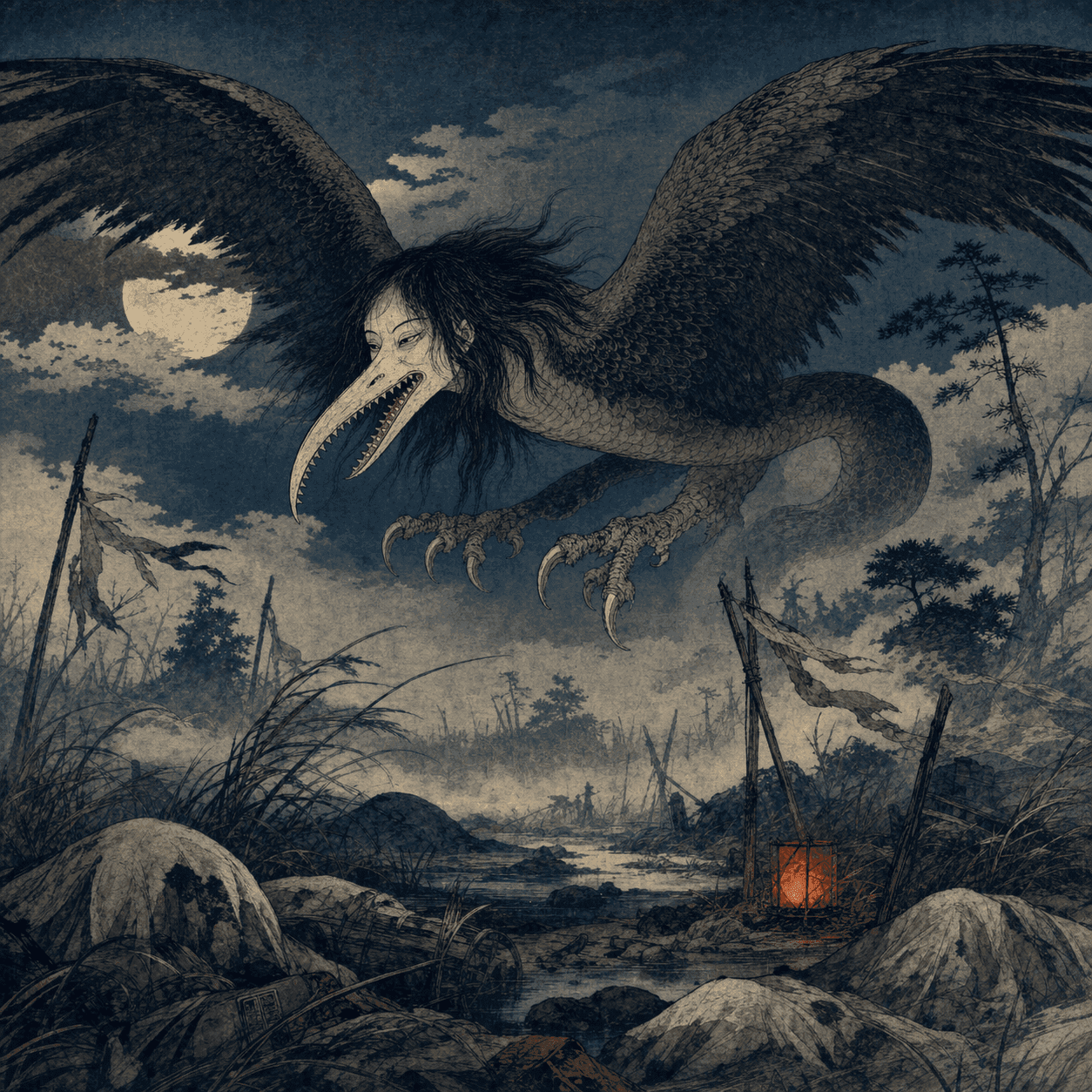
Itsumade is an eerie bird monster that appears during times of plague, war, or famine. It flies over the Imperial Palace or mass graves crying out 'Itsumade? Itsumade?' which means 'Until when?'—asking how long the suffering and neglect will continue.

tag-chimeratag-omentag-flying
Kansai
~ End of Regional Scroll ~