The northernmost and second-largest island of Japan, Hokkaido is a land of vast wilderness, dramatic mountains, and pristine caldera lakes. Known for its harsh, snowy winters and cool, pleasant summers, it stands in stark contrast to the humidity of the mainland. It is the spiritual home of the Ainu people, whose culture is deeply intertwined with the region's nature.
History & Legends
For centuries, Hokkaido was known as Ezochi, the land of the indigenous Ainu people who lived by hunting, fishing, and gathering. It remained largely outside the direct control of central Japan until the 19th century. In 1869, following the Meiji Restoration, the government established the Kaitakushi (Development Commission) and renamed the island Hokkaido. This marked the beginning of large-scale Japanese colonization and agricultural development, often at the expense of traditional Ainu lifestyles.
Cultural Heritage
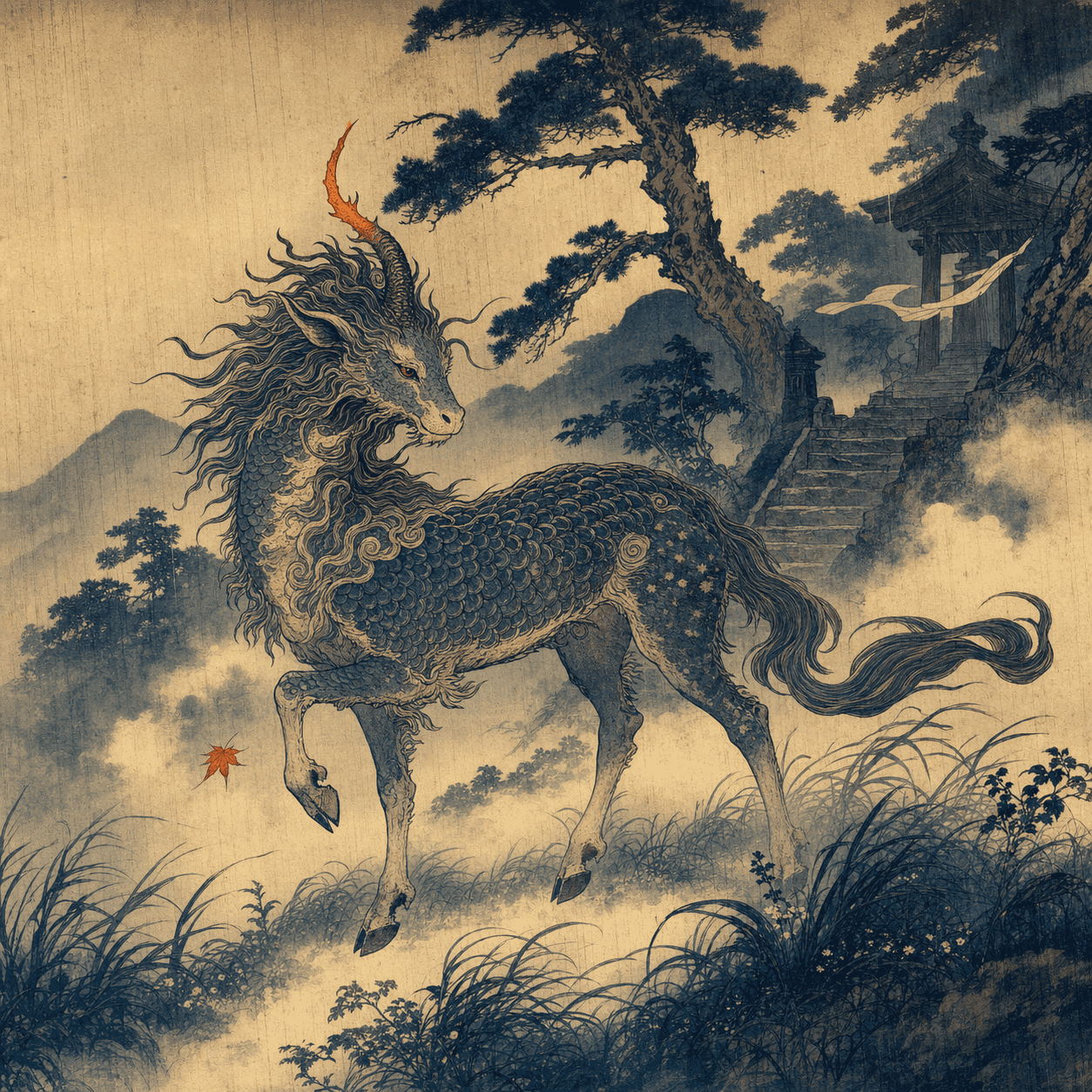
Hokkaido's culture is a unique blend of colonial Japanese pioneer spirit and indigenous Ainu traditions. The Ainu belief that spirits (Kamuy) inhabit nature forms the spiritual backbone of the land's folklore. Modern Hokkaido is famous for its miso ramen, fresh seafood, and dairy products. The Sapporo Snow Festival, featuring massive ice sculptures, attracts millions of visitors annually.
Geography
Hokkaido is characterized by its wide-open spaces, active volcanoes like Mount Asahi (the highest peak), and extensive wetlands such as Kushiro Marsh. It faces the Sea of Japan, the Sea of Okhotsk, and the Pacific Ocean. Unlike the rest of Japan, it has no rainy season, and its winters bring some of the world's best powder snow.