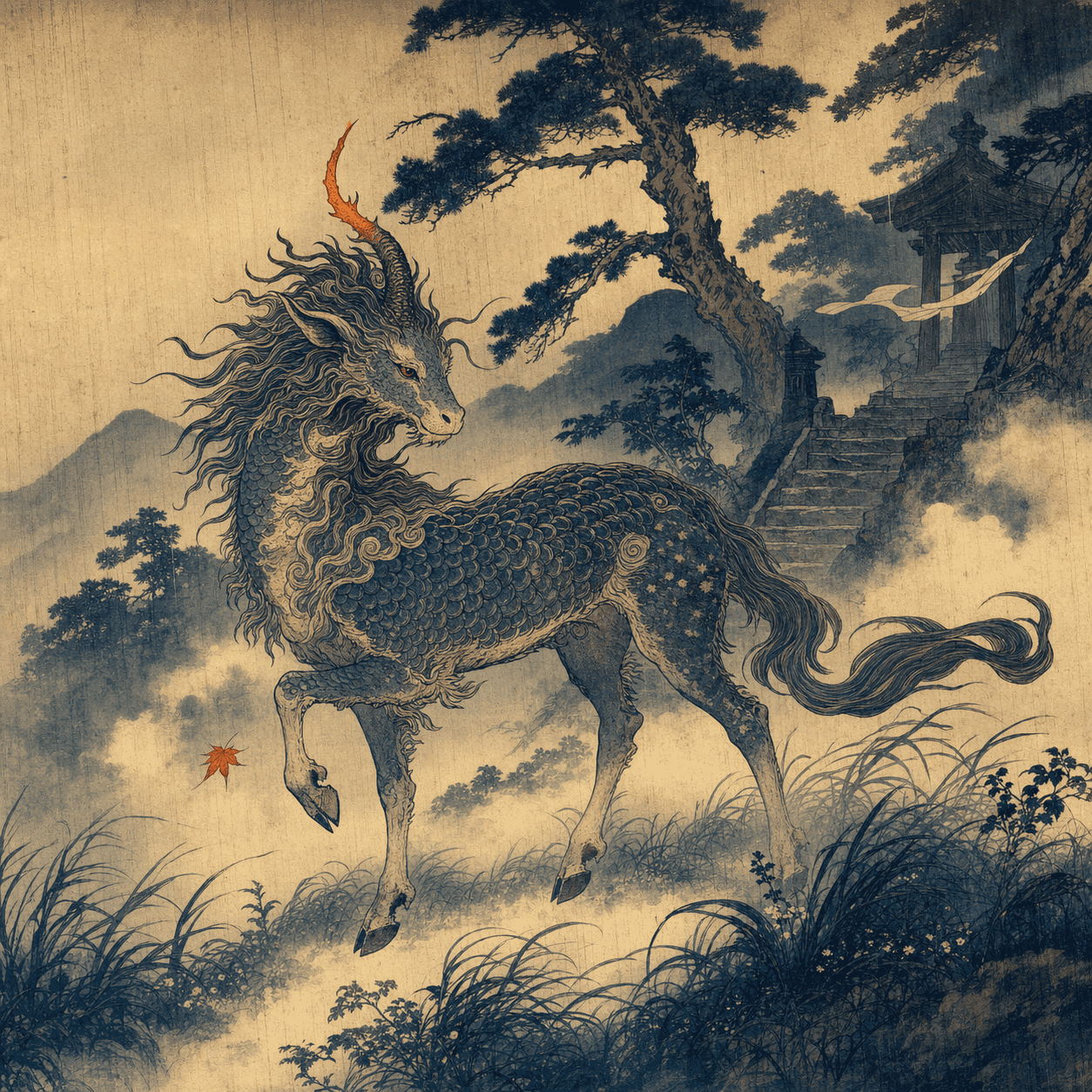
Located at the western tip of Honshu, Chugoku is a land of two faces: the industrial and sunny San'yo coast on the Inland Sea, and the rural, myth-steeped San'in coast on the Sea of Japan. It is the setting for many of Japan's foundational myths and oldest shrines.
History & Legends
Chugoku plays a central role in Japanese mythology; Izumo is where the gods are said to gather annually. Historically, it was dominated by powerful clans like the Mori. In modern history, Hiroshima's tragic destruction and rebirth as a City of Peace is a defining event for the region and the world.
Cultural Heritage
The San'in region in the north is known for its ghost stories and yokai folklore—Shigeru Mizuki, creator of 'GeGeGe no Kitaro', was born here. The region preserves ancient aesthetics and crafts, largely untouched by mass tourism. The San'yo side is more modernized but retains historic sites like the floating torii gate of Miyajima.
Geography
The Chugoku Mountains run east-to-west, dividing the region. The northern San'in side features rugged coasts and dunes (like Tottori Sand Dunes), while the southern San'yo side enjoys a mild, Mediterranean-like climate along the calm Seto Inland Sea.