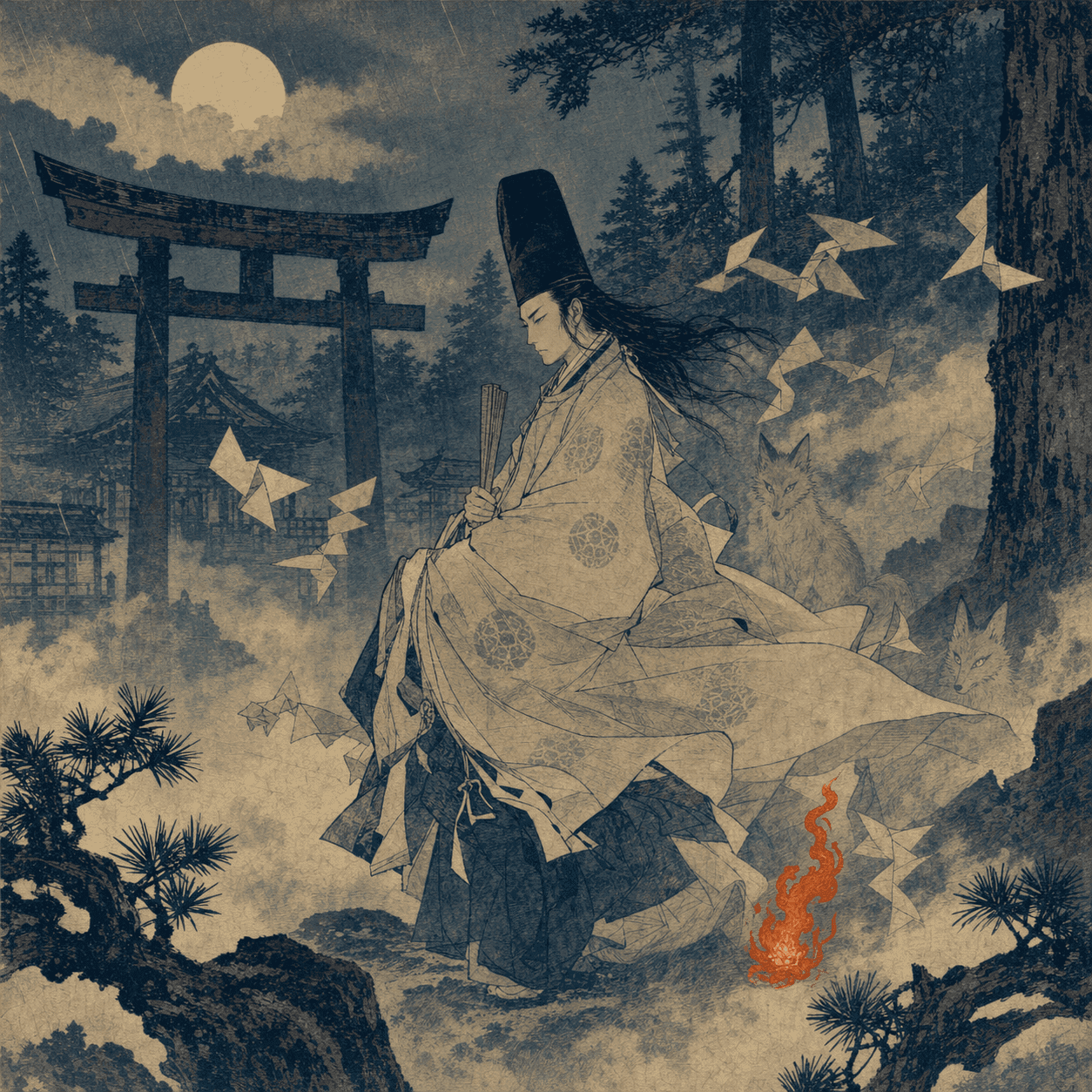
Sugawara no Michizane
菅原道真
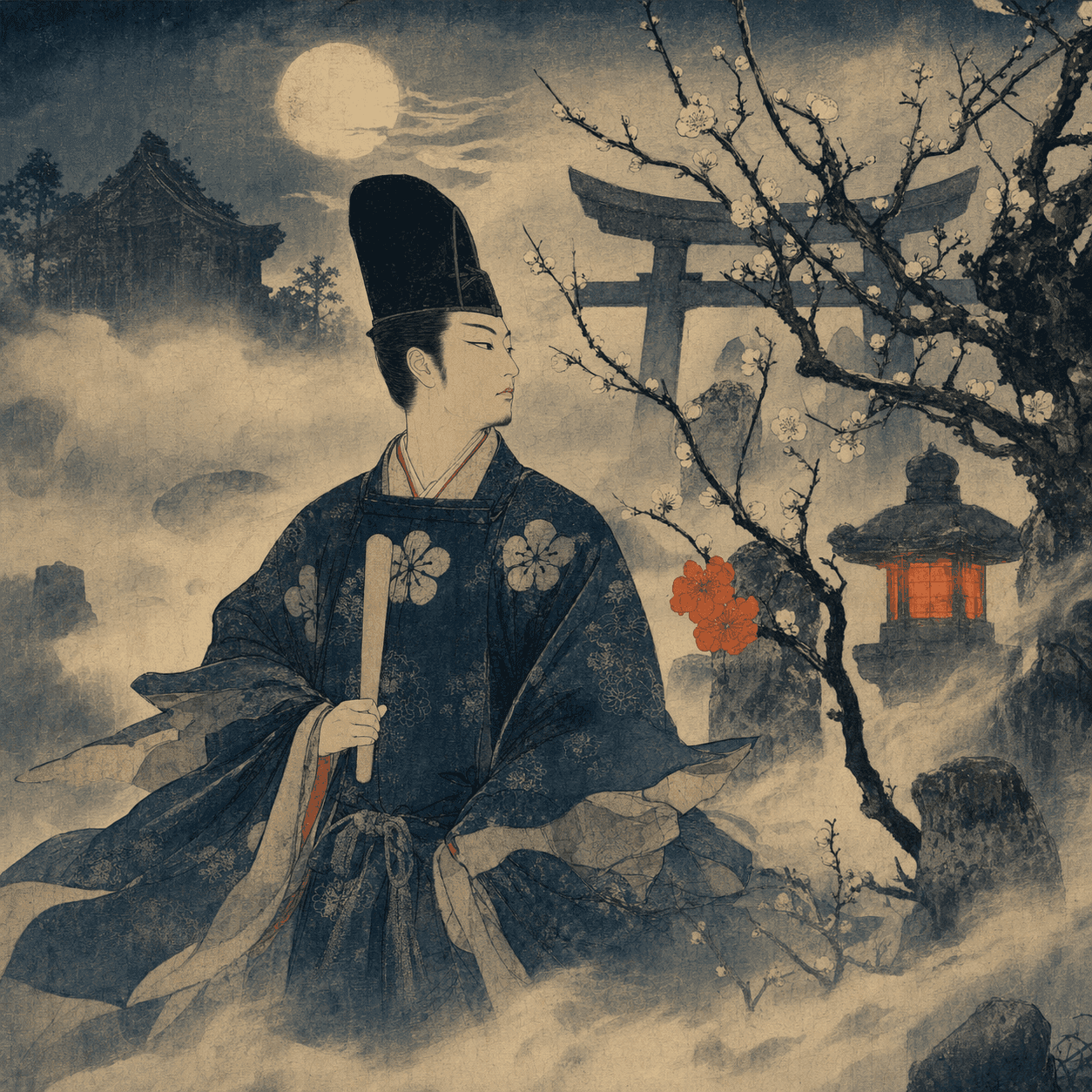
Sugawara no Michizane is a powerful god, known for controlling storms, and is often found in Tenmangu shrines.
平安時代
794 - 1185
A long period of peace and cultural flourishing centered in Heian-kyo (Kyoto). The imperial court reached its peak of refinement, producing world-renowned literature like 'The Tale of Genji'.
The height of classical Japanese culture. Aristocratic life was dominated by aesthetic pursuits and complex court rituals.
The era of the Onmyoji (Yin-Yang Masters). Yokai were seen as manifestations of imbalance or vengeful spirits (Onryo) of political rivals. The Night Parade of One Hundred Demons (Hyakki Yagyo) was a very real fear.
Life of the most famous Onmyoji.
菅原道真
Sugawara no Michizane is a powerful god, known for controlling storms, and is often found in Tenmangu shrines.
式神
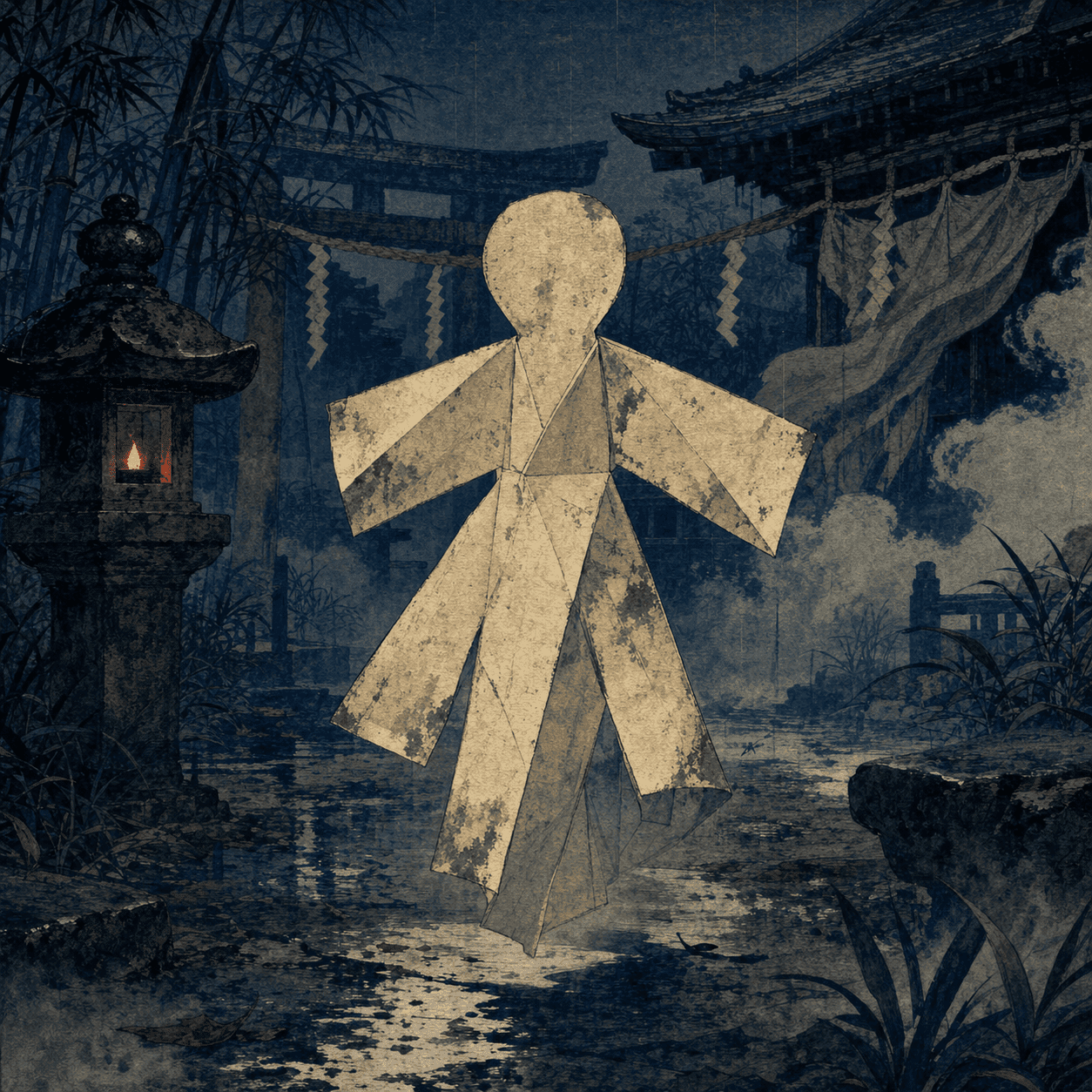
Shikigami is a summoned servant, known for obeying onmyoji masters, and is often found in rituals.
荼枳尼天
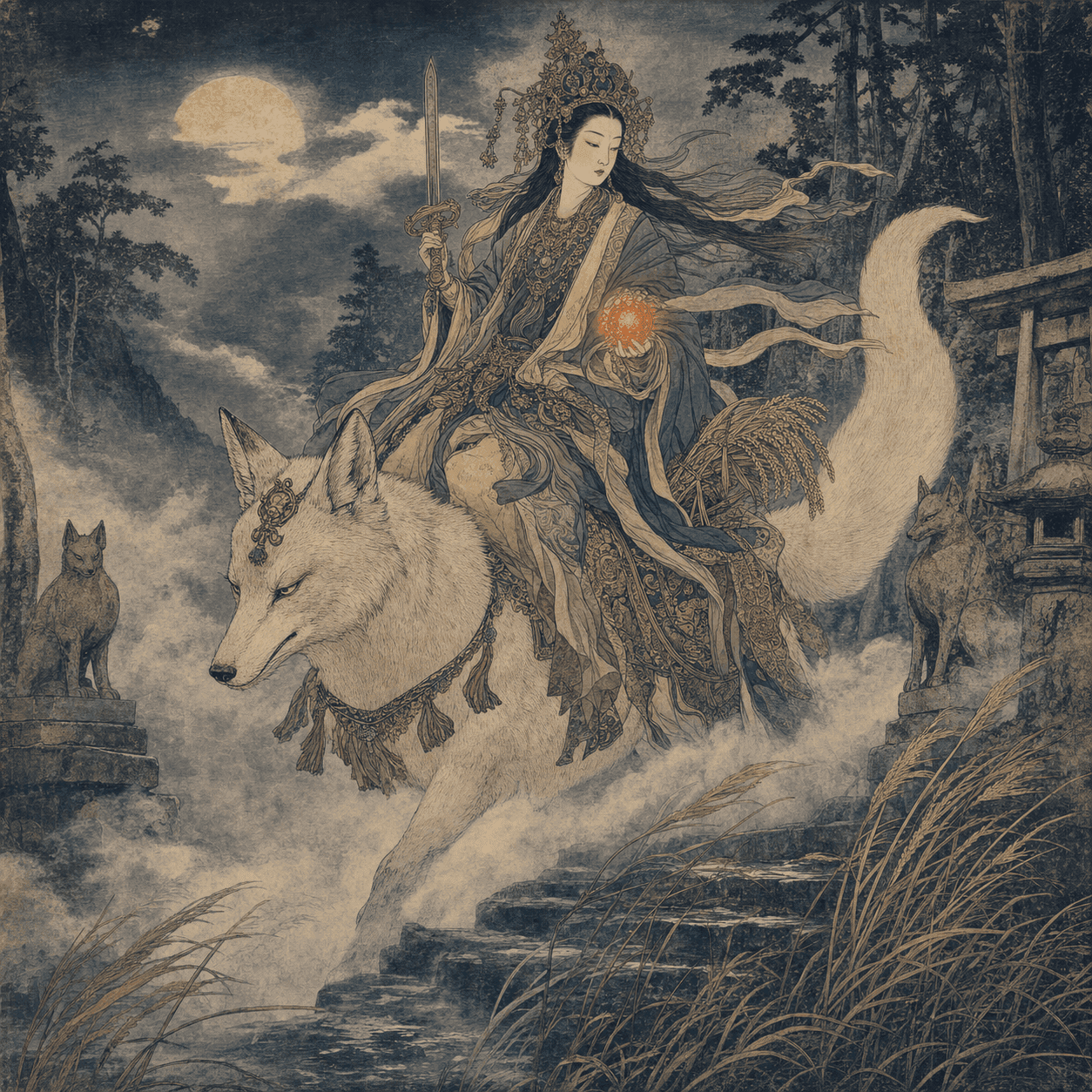
Dakini is a powerful deity, known for riding white foxes, and is often found in Inari shrines.
茨木童子
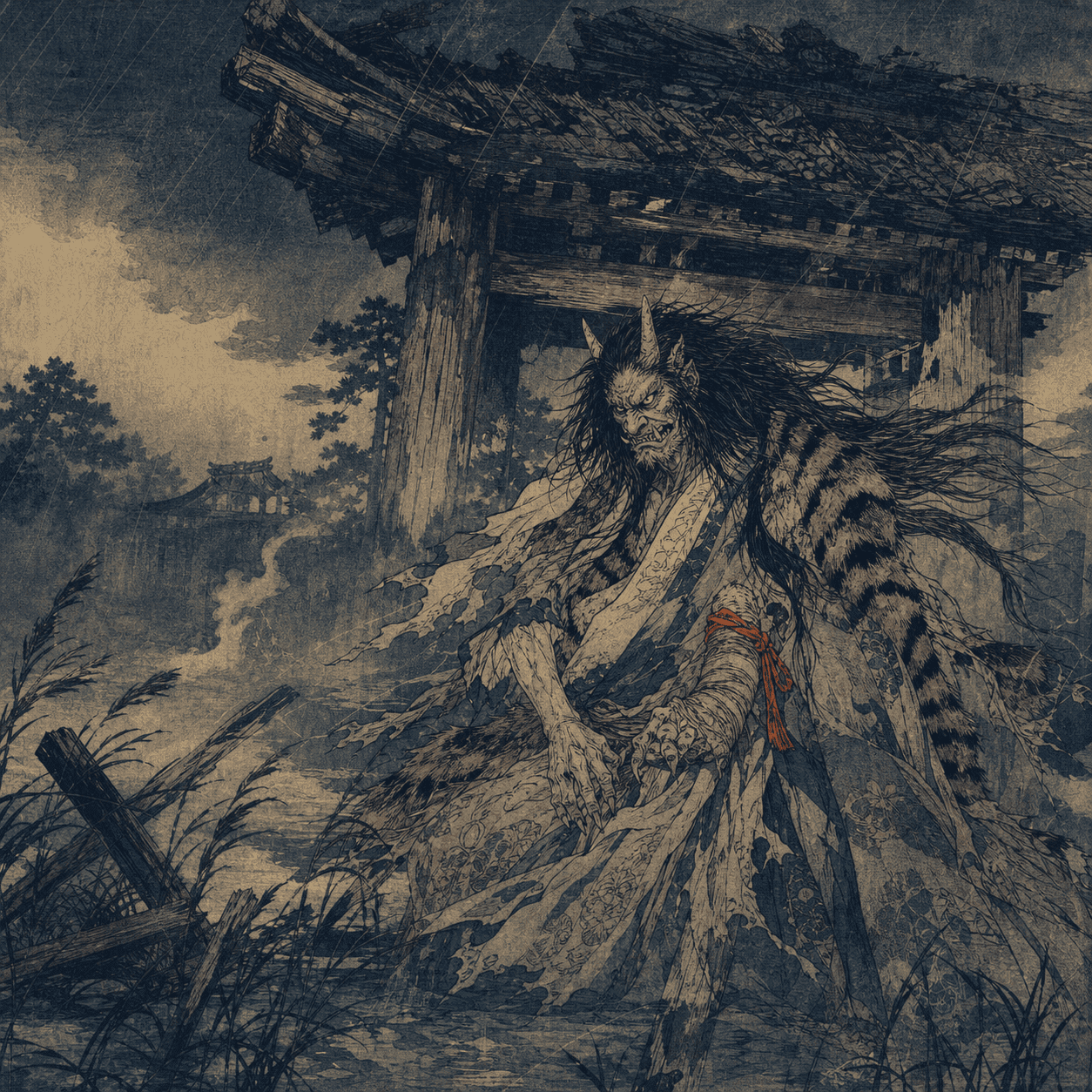
Ibaraki Doji is a powerful oni, known as the deputy of Shuten Doji, and is often found on Mount Oe.

安倍晴明
Abe no Seimei was a real historical figure who served as an onmyoji (spiritual advisor) to the emperors of the Heian period. In folklore, he is the Japanese equivalent of Merlin—a powerful sorcerer born of a human father and a kitsune (fox) mother. He is the most famous occultist in Japanese history.